Friday, January 30, 2026

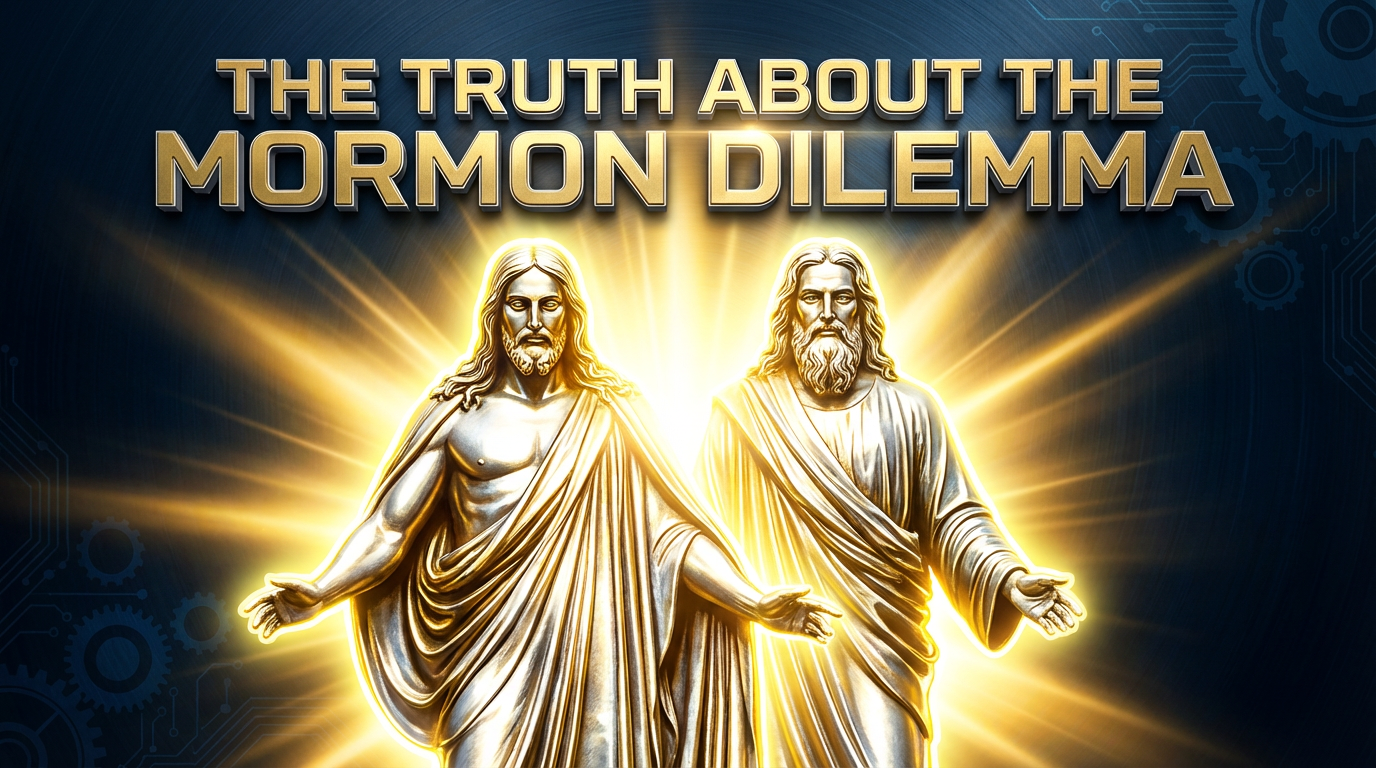
The TRUTH About the "Mormon Dilemma" (Response to Armor and Ash)

The TRUTH About the "Mormon Dilemma" (Response to Armor and Ash)

Is the foundation of the Restoration built on a logical contradiction? Critics are claiming they’ve found the 'smoking gun' that proves Joseph Smith was a false prophet. They call it the 'Mormon Dilemma.' But is this a genuine theological collapse, or just a fundamental misunderstanding of how God reveals truth to mankind?

Here at Faith & Reason | Grace & Sobriety, we don’t run from the hard questions. Our mission is to approach these historical and theological challenges with a clear mind and a steady heart. We aren't here for the 'gotcha' moments; we're here for the truth that stands up to scrutiny. If you're looking for a sober, faithful, and intellectually honest look at the restoration of the Godhead, you're in the right place.

In a recent viral presentation by Armor and Ash, a bold claim was made: Joseph Smith’s theology didn’t just grow—it self-destructed. The argument is simple but heavy:

  • They point to the Book of Mormon, specifically passages like 2 Nephi 31:21 and Ether 3:14, arguing these teach a Trinitarian or even 'Modalist' view where the Father and Son are one personage.
  • Then, they contrast this with later revelations like Doctrine and Covenants 130:22, which describes a Godhead of distinct, corporeal personages with bodies of flesh and bone.

The 'dilemma' they’ve constructed is this: If the Book of Mormon is true, Joseph’s later teachings are false. If his later teachings are true, the Book of Mormon is false. By invoking the test of a prophet in Deuteronomy 18, they conclude that this doctrinal shift is proof of a failed prophet, paralleling the famous 'Islamic Dilemma' used against the Qur'an.

It’s a powerful logic trap—if you accept their premises. But here at Faith & Reason | Grace & Sobriety, we believe the truth is far more nuanced. Does doctrinal development automatically equal a self-refuting contradiction? Or are we seeing the natural expansion of progressive revelation?

Today, we’re going beyond the surface-level proof-texting. We’re going to look at why the Book of Mormon wasn't a 'Nicene accident,' but a targeted correction to the creeds of the 19th century—and why Joseph’s later clarity on the physical nature of God is the logical fulfillment of the Restoration, not its undoing. Let’s look at the facts with a sober mind and a steady heart.

Tuesday, January 27, 2026

Sacred Sobriety: Genesis 12:1-3 "The Call that Blesses the Broken

Sacred Sobriety: Genesis 12:1-3 "The Call that Blesses the Broken

There comes a moment in every recovery journey when God whispers a direction that feels both terrifying and holy. It is the moment when He calls us out of what is familiar—not to punish us, but to bless us. The call of Abram is the call of every soul longing for sobriety, healing, and covenant belonging. God does not wait for us to be strong before He speaks; He speaks so that we may become strong.

Welcome, fellow travelers, to today’s step along the Sacred Sobriety path. Whether you are wrestling with addiction, codependency, fear, shame, or the ache of past wounds, you are not walking alone. The God who called Abram out of Ur is the same God who calls you into a life shaped by promise, presence, and purpose. This journey may seem daunting, but remember that each step you take is infused with divine guidance and love.

As you navigate this sacred path, lean into your challenges as opportunities for growth. Each struggle can serve as a catalyst for transformation, an invitation to discover the depths of your resilience. Embrace the uncertain moments; they often bring the most profound revelations. The divine whispers may not always be clear, but they beckon you toward a future filled with hope and authenticity.

Surround yourself with a supportive community of fellow seekers who understand this journey. Share your fears, your victories, and your dreams. Together, you can uplift one another and embody the strength that flows from shared experience. Allow the stories of others to inspire you as you forge ahead on your personal quest for healing and wholeness.

In this sacred work of sobriety, remember that you are being shaped and molded by an unyielding grace that wants nothing more than for you to thrive. The story of Abram is also your story—a narrative of risk, faith, and eventual restoration. Trust the process, believe in the possibility of renewal, and know that God is walking with you every step of the way.

Monday, January 26, 2026

Sacred Sobriety: Genesis 9:1, 9 - "Blessing Through Covenant: A Call to Faithful Obedience"

Sacred Sobriety: Genesis 9:1, 9 - "Blessing Through Covenant: A Call to Faithful Obedience"

There are moments in recovery when God speaks into the ruins of what we once knew and calls us into a future we cannot yet imagine. Infusing hope into our despair and urging us to rise from the ashes. Genesis 9 is one of those profound moments—a divine reset after devastation, where God re-establishes His promise to humanity and paints a picture of renewal amidst chaos. In this chapter, God blesses Noah, not because Noah was perfect, but because Noah walked in faithful obedience, demonstrating a heart attuned to divine guidance and a spirit willing to follow. This blessing is significant, as it serves to remind us that grace is often bestowed upon those who trust in the journey. Despite our limitations, weaknesses, and imperfections. Blessing always flows through covenant, and covenant always calls us into disciplined trust, inviting us to anchor our lives in faith and to embrace a transformative path that leads us closer to God’s vision for our lives. Through this covenant, we are reminded that even in our lowest moments, there is an opportunity for restoration and purpose, as God's faithfulness paves the way for our own renewed journey.

Hello and welcome back, fellow travelers, to our ongoing devotional series as we walk through the Old Testament as part of our journey through recovery and thriving in faith and sobriety. Whether you are navigating codependency, toxic relationships, addiction, fear, shame, or guilt, this space is for you—a sanctuary where we can gather, reflect, and support one another in our individual struggles and triumphs. Genesis 9 meets us in the aftermath of storms—when the floodwaters have receded, but the memories remain, lingering like shadows in our hearts and minds. It reminds us that God does not simply rescue; He restores, renews, and re‑commissions, breathing new life into our weary souls. His blessings are not random—they are covenantal, intentional, and deeply relational, woven into the tapestry of our lives and designed to uplift us in our darkest moments. As we revisit these passages, let us open our hearts to the transformative power of His love and grace, allowing it to guide us toward healing and wholeness on this sacred path of faith.

Anchor Verse - Genesis 9:1, 9 (NASB202)

Then God blessed Noah and his sons and said to them, ‘Be fruitful and multiply, and fill the earth.’ … ‘Now behold, I Myself am establishing My covenant with you, and with your descendants after you.’

Sunday, January 25, 2026

The Zen of Storytelling: How Mindfulness Elevates Fiction Writing

The Zen of Storytelling: How Mindfulness Elevates Fiction Writing

"Good company in a journey makes the way seem shorter." — Izaak Walton

We have all been there. You sit in front of your blank screen, staring at the blinking cursor, that relentless metronome of your creative anxiety. You wait eagerly for a scene to spark to life, but often, the characters feel disappointingly flat, their dialogue forced and lacking depth. You know how to write sentences; you’ve mastered the mechanics of language, yet you find yourself struggling to capture the soul of the story that desperately wants to be told.

What truly separates a technically "good" writer from a truly successful storyteller? It's a question that many aspiring authors grapple with, and the answer extends far beyond having a larger vocabulary or a better grasp of grammar. It lies in the ability to tap into deep emotional truths and translate them onto the page. Successful writing is not merely a skill; it is a spiritual conduit through which creativity flows. It possesses the power to provoke emotional experiences, inspire profound actions, and facilitate an awakening in your reader's heart and mind.

But there’s a catch: you cannot take a reader somewhere you haven't journeyed yourself. Your own experiences, emotions, and insights are the raw materials from which great stories are crafted. This is precisely where mindfulness enters the equation, bridging the gap between technique and authenticity in a writer's narrative.

The techniques I will share with you are not mere abstract creative theories; they are rooted in psychological principles that I have effectively utilized in clinical settings—particularly during my work with patients in outpatient clinics. These methods have been crucial in helping individuals process complex emotions and navigate their internal conflicts. If these simple yet powerful tools can assist someone in rebuilding their life narrative in a therapeutic context, just imagine the tremendous impact they can have on your characters and the authenticity of your storytelling.

To write a character that feels alive and breathing, you must first master the art of observation. This journey begins with being a disciplined student of the present moment. Becoming fully immersed in your observations not only enhances your writing but also enriches your life experience. Pay attention to the world around you—notice the nuances of human behavior, the subtleties of emotion woven into everyday interactions. Each detail you capture becomes a thread in the tapestry of your story, adding complexity and richness.

What makes a writer successful? Often, we equate success with an impressive vocabulary, intricate plot structures, or even lucrative publishing deals. But the truth is that true success starts from within. It stems from a deep understanding that writing is a vital life skill—an empowerment that allows us to express our ideas, passions, and fears convincingly.

Beyond skill, however, writing is fundamentally a passion for sharing stories. We write to provoke emotional experiences, to spark spiritual awakenings, and to bring people to action or awareness. Each story is an opportunity to connect deeply with others, to offer insights, and to create a space for conversation and understanding.

So, how do we bridge the gap between technical skill and emotional resonance? The answer lies in Mindfulness. A successful writer is one who is not just knowledgeable but is also disciplined in observation and attuned to the subtleties of life. By utilizing mindfulness as a tool, you can enhance your storytelling experience, make it more impactful, and breathe life into your characters, allowing them to resonate deeply with your readers.

As you embark on this journey of becoming not just a writer, but a true storyteller, remember that your experiences, your awareness, and your practice of mindfulness can make all the difference. Dive deep into your emotions, observe the world with intent, and let your heart guide your pen; in doing so, you will discover the magic of storytelling that lies within you.

CFM - Jan 26 - Feb 1 | Genesis 5; Moses 6: "Teach These Things Freely unto Your Children"

CFM - Jan 26 - Feb 1 | Genesis 5; Moses 6: "Teach These Things Freely unto Your Children"

Many of us most likely assume the gospel began in the New Testament. Yet Genesis 5 and Moses 6 reveal something astonishing: the fullness of the gospel—faith in Christ, repentance, baptism, the Holy Ghost, priesthood, and covenant discipleship—was taught from the very beginning. These chapters unveil a sweeping narrative of divine instruction, generational faithfulness, and the sacred responsibility to teach truth to rising generations.

For many of us, navigating a morally chaotic world can be incredibly challenging. In these turbulent times, these chapters offer a profound blueprint for spiritual resilience. The teachings found within Genesis and Moses not only provide guidance but also serve as a reminder that the principles of the gospel are timeless. They anchor us in our faith and help us to cultivate a sense of moral clarity amid confusion and chaos. For those in recovery, these scriptures reveal the ancient pattern of redemption, rebirth, and transformation through Christ, showcasing how individuals have consistently turned to God for restoration and new beginnings.

This study for the Come Follow Me - Old Testament invites us to delve deeply into the genealogies, doctrines, and prophetic ministries of pivotal figures like Adam, Seth, and Enoch, along with their descendants. It illuminates the remarkable legacy of faith that was passed down through generations. The narratives of these early prophets illustrate how their teachings and life experiences reflect Christ’s redemptive work. They emphasize the importance of our covenantal responsibility to “teach these things freely unto your children” (Moses 6:58), urging us to carry forward the torch of faith and truth to future generations.

As we engage with these ancient texts, we not only gain insights into the foundations of our beliefs but also discover the imperative to be proactive stewards of spiritual knowledge. In doing so, we can empower those around us to withstand the pressures of the world, fostering a community that thrives on the principles of the gospel. By sharing the stories and teachings of our ancestors, we reaffirm the enduring relevance of their faith and the everlasting hope that can be found in Christ.

Saturday, January 24, 2026

Discover Christ’s Redemptive Work Through the Genealogy of Genesis 5

Discover Christ’s Redemptive Work Through the Genealogy of Genesis 5

Have you ever paused to wonder why genealogies exist in the Bible, especially Genesis 5? To many, it might seem like just a list of names and ages, but there’s profound meaning hidden within the lineage from Adam to Noah. Far from being dry details, these names reveal God’s redemptive plan and reflect His mercy, grace, and call to righteousness. Each figure, from Adam to Noah, carries a deeper message about faith, obedience, and the promises fulfilled through Christ, serving as testimonies of faithfulness that transcend generations.

This genealogy illustrates how God's purpose unfolds through history, highlighting the significance of each individual's role in the divine narrative. Each name serves as a bridge, connecting various aspects of God's work in the world, linking us to the ancestors of our faith. By tracing the lineage from Adam, who represents humanity's fall, to Noah, who represents a fresh start for mankind, we see the movement of God’s grace through generations, emphasizing that even in chaos, God remains sovereign.

Connecting the dots between the past and the future is essential in understanding the full narrative of Scripture. The genealogy emphasizes the importance of lineage in carrying forth God's promises. It’s a vivid reminder that history is not just a series of events but is intricately woven into the tapestry of divine purpose. The names on this list are not mere placeholders; they embody individuals called and chosen by God, each with unique stories that contribute to the unfolding of His redemptive plan.

This genealogy isn’t just history—it’s a portrait of God’s covenant, showcasing the hope that arises from His faithful promises. It is also a reminder of His ongoing work in the lives of His people, demonstrating that every name represents a story of perseverance and hope, echoing across time. These genealogies remind us that God's plan is both personal and universal, extending beyond individual lives to encompass all of humanity.

If you’ve ever felt burdened by sin or wondered how God’s love extends through time, this chapter holds answers that could reshape your understanding of redemption. It invites us to reevaluate the narrative of our lives, revealing that God's grace is not limited by our human frailty but is ever-present, inviting us into His family regardless of our past mistakes. Each name serves as a testament that redemption is available, underscoring the truth that God actively works through His people, weaving their stories into a larger, divine story of love, grace, and hope that is eternal. As believers, we are called to reflect on our own heritage of faith, embracing the lessons learned from those who walked before us in their journeys of trust and obedience.

Two Stories Reborn: Announcing the Updated Editions of Mourning Ellyn and Lost Girls: Eden’s Descent

Two Stories Reborn: Announcing the Updated Editions of Mourning Ellyn and Lost Girls: Eden’s Descent

Every story has a season. Some arrive quietly, shaping us in ways we don’t fully understand until years later. Others burn their way into existence, demanding to be told. Over the past several months, I’ve been revisiting two stories that have shaped my own creative journey in profound ways — Mourning Ellyn and Lost Girls: Eden’s Descent.

Both books are returning in March 2026, each with a renewed vision, expanded depth, and a clearer sense of the worlds they belong to. These new editions come as a result of endless reflections and conversations with fellow writers and readers who have connected with these narratives. The process of revisiting these works has been cathartic; it has allowed me to recognize the layers of meaning embedded within the characters and their journeys.

In Mourning Ellyn, readers can expect an enriched portrayal of loss and resilience. The protagonist’s struggles will resonate even more deeply as I explore the various facets of grief and healing through her eyes. We will delve into the nuances of her relationships and how they are intertwined with her quest for understanding and acceptance.

Similarly, Lost Girls: Eden’s Descent will unveil a more expansive universe filled with complex characters and richly woven plots. The vibrant landscapes that serve as a backdrop for their adventures will be more fleshed out, drawing readers into an immersive experience. I aim to deepen the exploration of the themes of identity and empowerment that run throughout the narrative.

Today, I want to share a glimpse into what’s coming. Expect fresh insights, new characters, and enhanced storytelling that remains true to the core messages these stories convey. I am excited to bring these reimagined tales to life, inviting both loyal fans and new readers to join me on this journey. These tales are not merely sequels; they are reawakening moments, offering a chance to swim deeper into the currents of emotion and revelation that each character embodies. As the release date approaches, I look forward to sharing more about the journey of transformation these books have undergone.

Wednesday, January 21, 2026

Sacred Sobriety: Genesis 8:1-5 - "When God Remembers You: The Waters Begin to Subside"

Sacred Sobriety: Genesis 8:1-5 - "When God Remembers You: The Waters Begin to Subside"

There comes a moment in every journey when the floodwaters stop rising, the chaos begins to settle, and the first signs of hope appear, like gentle rays of sunshine breaking through the clouds after a torrential rain. You may not see dry land yet, but something shifts—quietly, powerfully, unmistakably, as if the very fabric of the universe is adjusting to align with your deepest longings and unyielding faith. Scripture calls this moment: “But God remembered…”. In this profound recollection, when God remembers, everything changes; the heaviness of despair begins to lift, new possibilities emerge, and you find strength you didn’t know you possessed. This transformation is not just a fleeting moment; it is the beginning of restoration, a divine promise that you are seen, valued, and guided toward brighter days ahead.

Introduction

Welcome, fellow travelers. Today we step into one of the most tender turning points in all of Scripture. After months of silence, isolation, confinement, and waiting, Noah hears nothing from heaven—until the text breaks open with four life‑altering words: “But God remembered Noah.” This divine remembrance is not simply an act of recall as humans experience it; rather, it reflects a profound, covenantal attention that transcends time and circumstance. It embodies divine intervention, where God steps into the human story, offering hope and faithful deliverance at the most desperate moments. For everyone walking through recovery, grief, transition, or spiritual rebuilding, Genesis 8:1–5 is your timely reminder that God never forgets His own; His love is relentless, reaching out with grace, compassion, and a promise of restoration. Just as Noah found favor in God’s eyes, we too are invited to believe in the faithfulness of the One who knows our struggles and yearns to bring us through to brighter days ahead.

Anchor Passage — Genesis 8:1–5 (NASB2020)

But God remembered Noah and all the animals and all the livestock that were with him in the ark; and God caused a wind to pass over the earth, and the water subsided. Also the fountains of the deep and the floodgates of the sky were closed, and the rain from the sky was restrained; and the water receded steadily from the earth, and at the end of 150 days the water decreased. Then in the seventh month, on the seventeenth day of the month, the ark rested upon the mountains of Ararat. And the water decreased steadily until the tenth month; in the tenth month, on the first day of the month, the tops of the mountains became visible.

God remembers Noah as he looks upon the ark, sends a warm wind over the earth to gently caress the surface of the waters, allowing them to recede slowly. He closes the fountains of the deep, silencing the chaos of the great flood, and begins the slow, deliberate unveiling of new creation as the ark comes to rest on the majestic peaks of Ararat, signaling the end of one era and the dawning of another, filled with hope, promise, and the chance for new life to flourish once more on the cleansed earth.

Sacred Sobriety: Genesis 7:17-20 - When the Flood Prevails - Faith Endures

Sacred Sobriety: Genesis 7:17-20 - When the Flood Prevails - Faith Endures

Every one of us knows what it feels like when the waters rise—when circumstances swell beyond our strength, when emotions surge without warning, when old patterns threaten to drown the progress we’ve made. Yet Scripture reveals a deeper truth: when the flood prevails, God prevails even more. The waters that overwhelm us never overwhelm Him.

Introduction

Welcome, fellow travelers. As we continue our journey through the Daily Exodus, we step into a moment where the floodwaters rise, the ark lifts, and God’s covenant faithfulness becomes the only stable ground in a world filled with uncertainty. In this tumultuous landscape, we find solace in the assurance that we are never alone. Today’s anchor verse reminds us that God does not merely rescue us from the flood—He carries us through it, guiding us with His unwavering love and strength. The same God who lifted Noah above the waters lifts us above addiction, shame, fear, and the remnants of our old life, empowering us to cultivate resilience and hope amidst adversity.

Anchor Verse — Genesis 7:17–20 (NASB2020)

“Then the flood came upon the earth for forty days, and the water increased and lifted up the ark, so that it rose above the earth. And the water prevailed and increased greatly upon the earth, and the ark floated on the surface of the water. And the water prevailed more and more upon the earth, so that all the high mountains everywhere under the heavens were covered. The water prevailed fifteen cubits higher, and the mountains were covered.”

As we traverse this challenging terrain together, let us hold fast to the promise that, just as the ark provided refuge during the storm, our faith acts as our shield, protecting us on this rugged path toward redemption and renewal. In the face of adversity, it is this unwavering belief that offers us solace and strength, enabling us to navigate the darkest valleys and climb the steepest mountains. Each step we take is guided by the light of our convictions, illuminating the way forward. Together, we can draw upon the deep well of inspiration that our shared journey nurtures, fostering resilience and hope as we strive for the brighter horizons that await us beyond the clouds of doubt and despair.

Tuesday, January 20, 2026

Grace & Sobriety: Moses 4:3 "the Gift of Agency" Choosing Deliverance over Deception

Grace & Sobriety: Moses 4:3 "the Gift of Agency" Choosing Deliverance over Deception

Latter-day Saints who are walking a path of recovery, there is a real battle over your soul that began long before each of us were ever born. it was fought in the councils of heaven, waged over one sacred principle: your agency. Satan sought to destroy it. Christ offered to preserve it. And today, in the path of recovery, you stand at the same crossroads where that ancient conflict still echoes. The adversary still seeks to bind, deceive, and compel. The Savior still invites, empowers, and liberates. When you understand the divine gift of moral agency, you begin to understand the divine path of deliverance.

Introduction

Hello and welcome fellow travelers to Grace & Sobriety. Today, we are stepping into the very heart of deliverance. Genesis 3 and Moses 4 reveal not only the Fall of Adam and Eve but the cosmic conflict that preceded it. In this narrative, we discovery the reason recovery is not merely behavioral change - it is spiritual reclamation. It is the process of taking back what the adversary has attempted to steal: your own personal agency, your identity, your divine capacity to choose Christ. This devotional invites you to see recovery through the lens of the plan of salvation, where agency is the hinge upon which deliverance turns.

Anchor Verse

Moses 4:3 — “Satan… sought to destroy the agency of man… and I caused that he should be cast down.”

Agency is not merely the ability to choose — it is the power to become, to mold our very essence through the decisions we make each day. Satan’s rebellion was an assault on your eternal potential, challenging the divine gifts bestowed upon each of us. Christ’s atonement was the defense of your divine identity, a sacred act that restores hope and purpose to our lives. Recovery is the daily discipline of choosing Christ over compulsion, truth over deception, and grace over shame, a journey that requires unwavering commitment and resilience. In this devotional, we explore how agency becomes the foundation of deliverance for every Latter‑day Saint in recovery, emphasizing the profound impact of intentional choices that align with our spiritual truths. Through reflection and prayer, we can learn to harness our agency to not only overcome our challenges but also to empower us to reach our fullest potential and embrace the divine plan that awaits each of us.

Monday, January 19, 2026

Grace & Sobriety: Episode 5 - The Stillness of Trust

Grace & Sobriety: Episode 5 - The Stillness of Trust

For Latter-day Saint Christians in recovery, there comes a pivotal moment of our journey where the noise quiets, the striving slows, and the soul needs to decide whether it will trust God in the silence or not. Not because the path is clear, but because He is clear. Trust is not passive - it is the very courageous stillness that allows God to work where our own strength cannot. Consider the profound truth of Be still and know that I am God (Psalm 46:10).

Stillness is one of the most demanding spiritual disciplines because it requires our willingness to trust God without visible evidence. Recovery sharpens this truth: when the noise fades, when the familiar coping mechanisms fall silent, we discover whether our faith rests in God or in our own frantic activity. Stillness is not passive - it is the very courageous posture of the soul learning to trust the Lord's timing, voice, and very divine presence.

Welcome fellow travelers to Grace and Sobriety. Today, I want to step into this sacred invitation: to be still before God and allow Him to do the work we cannot. Stillness is where recovery deepens, where identity stabilizes, and where grace becomes more than a doctrine - it becomes the very breath of life for our thriving in recovery and sobriety. For Latter-day Saint Christians walking a covenantal path of healing, forgiveness, and restoration - stillness is not about an escape; it a covenantal path of genuine discipleship.

Anchor Verse

Be still, and know that I am God.” — Psalm 46:10 (KJV); Doctrine and Covenants 101:16

Sunday, January 18, 2026

CFM January 19-25 | Genesis 3-4; Moses 4-5: The Fall of Adam and Eve

CFM January 19-25 | Genesis 3-4; Moses 4-5: The Fall of Adam and Eve

The Shattered Vase or the Cracked Egg? A Comprehensive Theological Comparative of the Fall of Humanity

Picture a flawless porcelain vase sitting on a mantle. Now, picture a bird’s egg resting in a nest. If you break the vase, you have destroyed something beautiful; you have created a tragedy. But if you break the egg... you haven't destroyed anything. You have birthed something alive.

For nearly 1,600 years, the majority of Western Christianity has viewed the Garden of Eden through the lens of the shattered vase—a cosmic catastrophe known as "The Fall." But what if that lens is cracked?

Few questions carry as much theological weight as "What happened in the Garden?" The answer dictates how you view human nature, the purpose of suffering, and the very character of God.

  • Did Eve ruin paradise, or did she bravely open the door to human potential?
  • Is humanity born with a "sin nature" that requires depravity, or are we born with a "divine nature" that requires development?
  • Why do Jewish rabbis and Latter-day Saints vehemently disagree with the traditional Christian view of "Original Sin"?

This isn't just another Sunday School summary. In this comprehensive 4,500-word analysis, we are going to dismantle centuries of theological assumption. We will walk through the ancient Rabbinic rejection of the "Fall," examine the "Soul-Making" theodicy of early Church Fathers like Irenaeus, and dive deep into the distinct Latter-day Saint doctrine of the "Fortunate Fall." Backed by rigorous scholarship and heavily annotated sources, this post invites you to look at Genesis 3 not as the moment the universe broke, but perhaps, as the moment it finally started working.

Genesis 7:1-5 - "The Discipline of Deliverance: Why God uses Floods to Lift You, not Drown You"

Genesis 7:1-5 - "The Discipline of Deliverance: Why God uses Floods to Lift You, not Drown You"

There comes a moment in every recovery journey when God calls us out of the storm—not because the storm has ended, but because He has prepared a place of refuge within it. Deliverance rarely begins with calm skies. It begins with obedience in the middle of chaos. When everything around us shakes, God invites us into a covenant that cannot be shaken. This is where trust is forged, where faith becomes more than belief, and where sobriety becomes more than survival—it becomes sacred. (Psalm 46:1–2; Isaiah 26:3–4)

Welcome, fellow travelers, to Sacred Sobriety: A Path for the Soul. Today we step deeper into our Daily Exodus—this discipline of deliverance where God leads us out of bondage and into His covenantal protection. When we come into relationship with who God truly is, He establishes a covenant of protection and provision as we navigate the storms of life. He does not merely calm the waters; He often destroys the very structures of our past that once held us captive. (Psalm 91:1–4; Isaiah 43:2)

Our anchor verse today is Genesis 7:1–5 (NASB2020), where God calls Noah into the ark before the floodwaters rise, sealing him into divine safety while judgment falls on everything that once defined the world he knew.

Friday, January 16, 2026

Truth to Mormons Exposed: Deconstructing Bill Young’s "Idol" Claim

Truth to Mormons Exposed: Deconstructing Bill Young’s "Idol" Claim

Latter-day Saints are often exposed to someone who attempts to tell them who their God really is. Not by seeking understanding, but by speaking over them—loudly, confidently, and often inaccurately. When that happens, the question isn’t just, “How do I respond?” It’s, “How do I stay grounded in truth without losing my peace?”

Bill Young’s recent Truth to Mormons episode, “Watch Mormon God Idol Worship,” is the latest in a long line of videos that claim to “expose” Latter-day Saint belief. But beneath the sensational title lies something deeper: a pattern of misrepresentation that doesn’t just distort doctrine—it wounds real people. Many who watch these videos aren’t looking for a fight; they’re looking for clarity, stability, and a faith that can withstand scrutiny without collapsing into fear.

And the sad reality: Like most critics - Bill Young holds himself above any form of teaching, correction, rebuke, or refutation (2 Timothy 3:16).

This article steps into that space—not to trade blows, but to offer light. I am not here to defend God as if He were fragile. I am here to defend the conversation—to show that faith can be examined without being caricatured, and that discipleship grows stronger when we refuse to let someone else narrate our beliefs for us.

I write this as someone who has spent years in recovery, scripture study, apologetics, and theological study—someone who understands how spiritual distortion can harm the soul just as deeply as addiction harms the body. My goal isn’t to “win” against Bill Young or anyone else. My goal is to create a safe, honest, intellectually rigorous space where readers can breathe again, reclaim their spiritual footing, and see their faith through the lens of scripture, history, and lived discipleship—not through the lens of someone else’s outrage.

If you’ve ever felt shaken by videos like this, or if you’re simply seeking clarity in a noisy world, you’re in the right place. Let’s walk through this together with calm minds, open scriptures, and a commitment to truth that doesn’t need to shout to be strong.

Exaltation, Eternal Life, and the Biblical Promise: A Response to Common Misreadings of Scripture

Exaltation, Eternal Life, and the Biblical Promise: A Response to Common Misreadings of Scripture

Every so often, a post circulates on Facebook claiming to “defend biblical truth” while warning Christians about supposed “Mormon distortions” of Scripture. These posts often sound confident, even authoritative—but confidence is not the same as accuracy. And when Scripture is handled carelessly, God’s people are left with fear instead of clarity, suspicion instead of understanding, and slogans instead of Scripture.

You deserve better than that. You deserve context, exegesis, and the whole counsel of God. Engaging with Scripture requires a dedication to understanding its original intent, cultural background, and the intricate layers of meaning that inform its teachings. It is crucial that we approach biblical texts with a framework that seeks the truth, not merely to validate preconceived notions or biases.

This article is not about defending a denomination. It’s about defending the Bible from misuse, the gospel from reduction, and the promises of God from being shrunk down to fit someone’s theological anxieties. When individuals take snippets of Scripture out of context, or rely on misinterpretations to make sweeping claims about others, it creates a barrier to genuine dialogue and understanding. Instead of fostering unity and exploring our shared beliefs in a respectful manner, it often leads to division and an atmosphere of mistrust.

In exploring differing theological perspectives, we must strive for empathy and open-mindedness. By learning to articulate our own beliefs while honestly engaging with the beliefs of others, we can cultivate a deeper comprehension of the richness of Christian doctrine. This journey is not merely academic; it is a spiritual pursuit that invites us to reflect on our convictions and be willing to grow in our faith.

Ultimately, a robust understanding of Scripture encourages believers to embrace the fullness of God’s word, appreciate the diversity within the body of Christ, and engage with one another as fellow travelers seeking truth, rather than adversaries in a theological battleground. We are called to love and uplift one another, striving for a deep-seated comprehension of the message that binds us together.

Episode 10: Building an Ark in a Toxic World — Grace, Boundaries, and the Obedience of Faith (Genesis 6:8-9, 22)

Episode 10: Building an Ark in a Toxic World — Grace, Boundaries, and the Obedience of Faith (Genesis 6:8-9, 22)

When the world around you feels like it’s rotting from the inside out… when family systems are chaotic, culture is loud, and temptation is relentless… God still raises up people who walk differently. Noah didn’t survive the flood because he was strong—he survived because he responded to grace. Today, we’re learning how to build an ark in a toxic world: with grace, with boundaries, and with the obedience of faith.

Introduction

Hello and welcome, fellow Travelers, to Sacred Sobriety: A Path for the Soul. Today, we step into one of the most misunderstood chapters in Scripture—not as historians, but as people in recovery who know what it feels like to live in a world drowning in compromise. Genesis 6 isn’t just about judgment; it’s about survival. It’s about the God who gives grace before He gives instructions, who forms character before He forms assignments, and who teaches us to build safety in a world that refuses to repent.

Our anchor verses—Genesis 6:8–9 and 6:22—give us a three‑part pattern for recovery: Grace, Boundaries, and Obedience. This is how we build our ark.

Anchor Verses (NASB 2020)

Genesis 6:8–9, 22 “But Noah found favor in the eyes of the Lord… Noah was a righteous man, blameless in his generation; Noah walked with God… Thus Noah did; according to all that God had commanded him, so he did.”

Prayer

Heavenly Father, thank You that recovery begins with Your grace, not our goodness. Teach us to walk with You in a world that pulls us in every direction. Strengthen our boundaries, steady our steps, and empower our obedience. Help us build what will carry us through the storms ahead. In Jesus’ name, amen.

Thursday, January 15, 2026

EPISODE 9: Genesis 4:6-7 — “Sin at the Door: The Battle Before the Fall”

EPISODE 9: Genesis 4:6-7 — “Sin at the Door: The Battle Before the Fall”

Every relapse begins long before the drink, the click, the lie, or the outburst. It begins at the door of the heart — where sin waits, patient and persuasive. Genesis 4 doesn’t just tell Cain’s story; it exposes ours. The battle is not “out there.” It is the quiet moment before the choice, the whisper before the fall, the emotion before the action. God does not shame Cain. He questions him. He invites him. He warns him. He offers a way out. The same God speaks to us with the same clarity, compassion, and authority.

Hello and welcome, fellow travelers, to Sacred Sobriety: A Path for the Soul. Today, we step into one of Scripture’s most honest scenes — a moment where God reveals the anatomy of temptation and the mercy of early intervention. Genesis 4:6–7 is not a story of failure; it is a story of warning, wisdom, and the possibility of victory. For anyone in recovery, this passage is a mirror and a map.

Genesis 4:6–7 (NASB 2020) “Then the Lord said to Cain, ‘Why are you angry? And why is your face gloomy? If you do well, will your face not be cheerful? And if you do not do well, sin is lurking at the door; and its desire is for you, but you must master it.’”

Wednesday, January 14, 2026

Episode 8: From Hiding to Healing - The God Who Calls Us Out of Shame (Genesis 3:8–10)

Episode 8: From Hiding to Healing - The God Who Calls Us Out of Shame (Genesis 3:8–10)

There comes a moment in every person's journey—especially in recovery—when the sound of God’s presence stirs something deep within us. We feel the pull to step out from hiding, yet the weight of shame, fear, and regret urges us to remain in the shadows. But the God who seeks us is not hunting us down to condemn us; He is calling us back to life. This devotional invites you to walk out of the trees and into His restoring light.

Introduction

“Hello and welcome, fellow travelers, to Sacred Sobriety: A Path for the Soul.” Today we continue our journey through the Discipline of Deliverance by returning to one of Scripture’s most haunting and hopeful moments—when God walked into the garden calling for His children. In recovery, we know this moment well: the tension between hiding and healing, between fear and freedom. Let us listen again to the God who still calls our name.

Prayer

Heavenly Father, we come before You with open hands and trembling hearts. Teach us to hear Your voice without running from it. Strip away the fear that keeps us hidden and clothe us with Your mercy, Your truth, and Your restoring love. Breathe courage into our souls as we step into Your presence. Amen.

Anchor Verse — Genesis 3:8–10 (NASB 2020)

“They heard the sound of the Lord God walking in the garden in the cool of the day, and the man and his wife hid themselves from the presence of the Lord God among the trees of the garden. Then the Lord God called to the man, and said to him, ‘Where are you?’ He said, ‘I heard the sound of You in the garden, and I was afraid because I was naked; so I hid myself.’”

Tuesday, January 13, 2026

The Garment of Adam: Unraveling Its Legacy from Garden of Eden to Book of Mormon

The Garment of Adam: Unraveling Its Legacy from Garden of Eden to Book of Mormon

The Garment of Adam is one of the most fascinating, yet often overlooked, elements in biblical history. This sacred attire, mentioned in various apocryphal writings, provides a unique lens through which to view not only the story of Adam and Eve but also the lineage of early biblical figures. Today, we're going to explore the rich narrative surrounding the Garment of Adam, considering Jewish, Muslim, and Christian traditions.

Introduction to the Topic

The concept of Adam's Garment spans multiple religious traditions, each offering unique interpretations and insights. This blog post delves into these apocryphal texts to provide a fuller understanding of the significance and legacy of this mystical garment.

Episode 7: Genesis 2:7 | Breath of Life: Daily Steps to Spiritual Recovery

Episode 7: Genesis 2:7 | Breath of Life: Daily Steps to Spiritual Recovery

Breath is the first miracle: a single divine inhalation that turns dust into a living soul. The truth is that our recovery is not primarily a program it is about our Heavenly Father who breathes life where addiction has hollowed us out. When God breathes, we awaken to our need and to a new capacity for obedience, hope, and steady change. This episode shows how the same breath that formed Adam animates our daily exodus from bondage, shaping small habits into lasting freedom. You are not asked to manufacture life by willpower alone. Trust the One who breathes; practice the disciplines that position you to receive His breath each day and let community and prayer carry the air you cannot hold alone.

Introduction

Hello and welcome Fellow Travelers to Sacred Sobriety. We continue our series Daily Exodus — Discipline of Deliverance. Daily exodus names the steady, faithful leaving of what enslaves us and the deliberate walking toward what frees us. Deliverance becomes a discipline when we choose, day by day, to depend on God, to practice obedience, and to seek His guidance as the path out of darkness and chaos.

Anchor Verse:

Then the LORD God formed the man of dust from the ground, and breathed into his nostrils the breath of life; and the man became a living person. ~ Genesis 2:7, NASB20

Prayer

Lord God, breathe into us. Where we are dry and brittle, send Your wind; where we are bound, send Your hand to loosen the cords. Teach us to rise each morning as those who have been formed by Your breath, and to walk in the freedom You give. Amen.

Monday, January 12, 2026

When Abuse Hides Behind Faith: Why So Many Christians Carry Frozen Anger

When Abuse Hides Behind Faith: Why So Many Christians Carry Frozen Anger

Some stories don’t break us because of what happened in the past. They break us because of the moment we finally hear the truth spoken out loud — the moment someone confirms our deepest fear: that the people who hurt us never saw us at all. This revelation often surfaces unexpectedly, like a sudden chill in the air, a stark reminder that our pain went unnoticed and unacknowledged. It becomes a weight we carry, a haunting echo that reverberates through our memories, reminding us of the moments when our vulnerability was met with indifference. In that instant, we realize how profoundly we craved understanding and empathy, yet instead found only shadows where we hoped for light. Each word spoken unveils layers of grief, revealing that the wounds, although buried, still fester beneath the surface, waiting to be addressed, validated, and ultimately healed.

When I read her words — the moment her mother said, “It wasn’t that bad. I never broke my arm beating you” — I felt the familiar chill of frozen anger. Not outrage. Recognition.

What she described isn’t rare. It’s not an outlier. It’s the quiet, unspoken reality of countless Christians who grew up in homes where faith and harm were intertwined, a painful experience that often goes unnoticed by those outside these communities. Many individuals bear the scars of this complex relationship, where the teachings of love and forgiveness coexist with experiences of emotional and sometimes physical abuse. For them, faith becomes a double-edged sword, instilling a sense of guilt and confusion as they grapple with their beliefs amid conflicting messages about holiness and worth. The struggle to reconcile these childhood experiences with their adult spirituality can lead to a profound sense of isolation, as they seek solace and understanding in a world that often fails to acknowledge their plight.

Genesis 1:26–28: Created for Fellowship, Fruitfulness, and Freedom

Genesis 1:26–28: Created for Fellowship, Fruitfulness, and Freedom

When God created humanity, He didn’t begin with rules, shame, or expectations. He began with blessing, purpose, and relationship. Before we ever failed, He called us very good. And for those of us walking the long road of recovery — from addiction, fear, codependency, or spiritual exhaustion — Genesis 1 reminds us of something we often forget: God’s original intention for us has not changed. He still loves us, still calls us, and still longs to bless us as we surrender to Him.

Hello and welcome, fellow Travelers.

Today, I want to walk with you as we continue our journey through Genesis, exploring what it means to walk in Sacred Sobriety — a path where God restores what was lost, heals what was broken, and reclaims what fear and shame tried to steal. Our anchor verse is Genesis 1:26–28, a passage that reveals God’s heart for us from the very beginning.

ANCHOR VERSE — Genesis 1:26–28 (NASB)

Then God said, “Let Us make mankind in Our image, according to Our likeness; and let them rule…” God created mankind in His own image… male and female He created them. God blessed them; and God said to them, “Be fruitful and multiply, and fill the earth…”

PRAYER

Heavenly Father, we come to You as people in need of Your restoring touch. Thank you for opening our hearts to Your original intention for us — fellowship, fruitfulness, and blessing. Thank you for healing the places where fear, pride, and shame have distorted our view of You. Teach us to surrender, not out of fear, but out of trust. In Jesus’ name, amen.

Saturday, January 10, 2026

Come Follow Me January 12–18 | “In the Beginning God Created the Heaven and the Earth” - Genesis 1–2; Moses 2–3; Abraham 4–5

Come Follow Me January 12–18 | “In the Beginning God Created the Heaven and the Earth” - Genesis 1–2; Moses 2–3; Abraham 4–5

The Creation accounts in Genesis, Moses, and Abraham reveal a unified, deeply intentional pattern of divine order, purpose, and covenant identity—far richer than most readers ever realize.

Latter‑day Saints are uniquely blessed with three scriptural witnesses of Creation. When studied together, they unveil a coherent temple‑patterned narrative that ancient Judaism preserved in fragments and that modern scholarship increasingly recognizes.

This study draws from Come Follow Me, the Church student manuals, BYU Studies, RSC scholarship, and ancient Jewish sources such as Pesachim 54a, Bereshit Rabbah, and 2 Baruch.

Friday, January 9, 2026

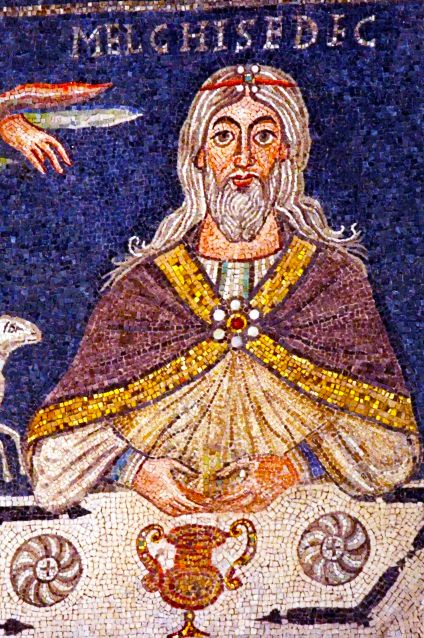
THE MELCHIZEDEK PRIESTHOOD: A SCHOLARLY RESPONSE TO GLEN E. CHATFIELD

THE MELCHIZEDEK PRIESTHOOD: A SCHOLARLY RESPONSE TO GLEN E. CHATFIELD

Note to Readers: The following piece was originally written in 2014, a pivotal time when I first re-engaged with apologetics from a Latter-day Saint perspective. During this period, I encountered numerous challenges and questions that shaped my understanding of faith and doctrine. While the original message remains intact, I have taken the time to revise and expand this version significantly to better address current questions and provide a more comprehensive analysis. This updated content not only reflects my personal growth and deeper insights but also engages with contemporary issues faced by Latter-day Saints today, ensuring that readers can find relevant and thought-provoking material that resonates with their experiences and spiritual journeys.

Thursday, January 8, 2026

Episode 4: The Proving Ground

Episode 4: The Proving Ground

Welcome fellow travelers. This is Grace and Sobriety for Latter-day Saints on a path of recovery and living a sober life through Jesus Christ and His Gospel.

Does it ever feel like the moment you decide to get sober or fix your life, everything suddenly gets harder? That resistance isn't failure—it's actually proof that you're on the right path

In this episode, we’re looking at Abraham 3 to discover why God calls this life a 'proving ground.' We’re going to learn how to turn that intense pressure into the power you need to break your chains.

I want to share with you today how we’re going to prove that you are one of the 'noble and great ones.' Let's get into it and like, share, and subscribe - following this content and all other content.

Anchor Verse:

"And we will prove them herewith, to see if they will do all things whatsoever the Lord their God shall command them."Abraham 3:25

In our previous episodes, we established our nothingness without God (Moses 1), claimed our identity as His children (Moses 1), and found the courage to seek a better way (Abraham 1).

Episode 3: The Courage to Seek

Episode 3: The Courage to Seek

Welcome fellow travelers. This is Grace and Sobriety for Latter-day Saints on a path of recovery and living a sober life through Jesus Christ and His Gospel.

We often think our battle is just against a behavior, a bottle, or a doubt. But what if the real war is actually over your name? The adversary wants you to believe you are just your past mistakes.

But in this week’s study of Moses 1 and Abraham 3, God takes us back before the beginning to settle the score once and for all. He reminds Moses—and He’s reminding you—that before you were anything else, you were His.

Today, we are going to learn how to use your divine identity to silence the darkness. Welcome to the devotional message.

Anchor Verse:

"And, finding there was greater happiness and peace and rest for me, I sought for the blessings of the fathers... desiring also to be one who possessed great knowledge, and to be a greater follower of righteousness, and to possess a greater knowledge, and to be a father of many nations, a prince of peace."Abraham 1:2

In our previous devotionals, we explored Moses 1: first, the humility of realizing our own "nothingness" without God (Day 1), and second, the power of claiming our divine identity when the adversary tries to define us by our past (Day 2).

Additional Scriptures:

  • Moses 1:20: "And it came to pass that Moses began to fear exceedingly; and as he began to fear, he saw the bitterness of hell. Nevertheless, calling upon God, he received strength." (The pivot from fear to action).
  • Abraham 1:5: "My fathers, having turned from their righteousness... refused to hearken to my voice." (The reality that we often have to recover despite our environment).

Today, we transition to Abraham 1, which serves as the perfect companion to Moses’s stand. While Moses illustrates standing your ground against darkness, Abraham illustrates walking away from it. Abraham lived in a toxic environment—Ur of the Chaldees—surrounded by the idolatry of his fathers and a culture of spiritual death. Yet, instead of succumbing to the environment or merely coping with it, Abraham sought something better. He didn't just want to escape the bad; he hungered for "greater happiness and peace."

The Greater and Lesser Lights - Learning to Live by God's Order, Not Our Moods

The Greater and Lesser Lights - Learning to Live by God's Order, Not Our Moods

Welcome, fellow travelers. This is Sacred Sobriety: A Path for the Soul, and I am your host, Timothy Berman.

We are continuing our journey through Genesis—not as distant theology, but as a living pattern for recovery, faith renewal, and disciplined deliverance.

Today, we come to a turning point in creation: God sets lights in the heavens—not merely to shine, but to govern time, seasons, and direction.

If you’ve ever lived by your emotions, your cravings, or your fears—this episode is for you.

Introduction

After God establishes dry ground and fruitfulness, He does something unexpected. He does not immediately create life. Instead, He creates orientation first. The sun and moon are not merely sources of light—they serve as governing lights. Their purpose transcends simple illumination; they are central to regulating time, defining seasons, establishing rhythms, and creating boundaries. These celestial bodies impart a sense of order and structure within the cosmos.

Before embarking on the task of filling the earth with living creatures, God ensures that creation will not be left to the whims of chaos or unchecked impulse. Instead, He designates time and cycles that everything within creation can adhere to, thus fostering an environment where life can thrive beautifully and sustainably. The concept of ordered cycles lays a foundation for harmony within creation, ensuring that each aspect of life has its place and function.

This idea of establishing order before life can be seen as a profound principle, one that resonates deeply within the journey of recovery as well. Recovery requires the same wisdom; it’s not simply about putting back the pieces of what was lost but about creating a structure and a framework that supports the rebuilding process. Just as God regulated the world through the sun and moon, individuals seeking recovery must find that guiding light which helps them navigate through challenges, allowing for growth within a controlled and stabilized environment. By prioritizing order over chaos, recovery becomes not merely a reaction to circumstances but a proactive journey toward wholeness and fulfillment.

Wednesday, January 7, 2026

Theological Insights: Theosis and Salvation Explained

Theological Insights: Theosis and Salvation Explained

Is it possible to be 100% sincere, biblically literate, and yet still miss the full picture of what God is doing today? In this video, we see a passionate Pastor engaging with young missionaries. It’s a scene that plays out thousands of times a day: a collision of two worldviews that both claim to love Jesus. But if we look past the surface-level debate, we find that the questions being asked—Who is God? How are we saved? Can we become like Him? —have answers that are far more profound, ancient, and biblically supported than the standard 'creedal' narrative suggests.

We aren't here to attack this, Pastor. He clearly loves the Bible and cares about salvation. Instead, we are going to do something rare in internet comments: we are going to treat his arguments with respect, 'steelman' his position, and then demonstrate why the Restored Gospel offers a more robust, scripturally complete answer to the very questions he raises.

There is a YouTube video of a Pastor engaging in a discussion with Latter-day Saint Missionaries that seems to be making rounds on Facebook. In one group, a person posted this video with the caption: Can humans become gods? In this powerful gospel conversation with two Mormon Missionaries, we talk about what the Bible actually teaches about Salvation. The post also includes a link to Pastor confronts Mormon Claim: "We Can Become Gods".

In response to this intriguing video, I suggested in the comments that it would be beneficial to host a livestream discussion to delve deeper into the topic. A live format would allow for real-time interaction and a more dynamic exchange of ideas, enabling us to explore the complexities of this theological debate as they arise. Engaging in a live discussion can provide clarity and foster a better understanding of the perspectives from both sides, especially when critics are making public claims regarding the LDS Faith.

Episode 4: The God Who Knows You — and Calls You Back into His Presence

Episode 4: The God Who Knows You — and Calls You Back into His Presence

Hello and welcome fellow travelers. I want to ask you something: Are there moments in recovery and moments in faith crisis when you feel like Moses? Feel like you want to collapse to the ground, emptied out, unsure if you are ever able to stand in God's presence again? What if the distance you feel isn't evidence of God abandoning you. Instead, it is where God is preparing you to see yourself the way he sees you?

Moses 1 and Abraham 3 reveal a pattern woven into every spiritual journey: God reveals Himself. We feel our weakness. The adversary attacks our identity. And then—God calls us back into His presence with deeper clarity and greater purpose.

This episode explores that pattern through the lens of recovery and reconstruction. We’ll look at why Moses collapses after divine glory, why Satan shows up when he does, and why Abraham is shown the stars, the intelligences, and the premortal council at the exact moment he needs reassurance.

These chapters aren’t ancient theology. They’re a roadmap for anyone who has ever relapsed, doubted, or wondered if God still knows their name.

I’m walking with you as someone who understands the terrain—someone who has lived the distance, the collapse, the confusion, and the return. These devotionals are crafted for Latter‑day Saints who love the Restoration but are wrestling with wounds, questions, or the long work of sobriety. Together, we’ll draw strength from scripture, clarity from doctrine, and hope from the God who knew you long before your struggles began.

You’re not trying to earn your way back to Him. You’re learning to recognize the God who has never stopped calling you.

Deconstructing the Narrative of Theft: A Historical Refutation of Lilith Helstrom’s Claims on Christianity and Genocide

Deconstructing the Narrative of Theft: A Historical Refutation of Lilith Helstrom’s Claims on Christianity and Genocide

Is a person who identifies as a Christian possess stolen faith? If you have read Lilith Helstrom’s recent feature article, Jesus Caused The Palestinian Genocide, in Deconstructing Christianity, you’ve likely felt the sting of her central accusation: That Christianity is nothing more than a “religion of thievery” — a theological kleptomania that stole its holidays from pagans, its God from the Jews, and now, she claims, fuels the fires of genocide in Gaza.

Christians will say that the major theme of their religion is forgiveness and second chance.

I disagree. The most prominent theme in all of Christianity is thievery.

So many gods died and rose again before Christianity existed, including Osiris, Adonis, Attis, and Dionysus. The Sumerian goddess, Inna, was even dead three days and three nights before she was resurrected.

So how did Christians get their forgiveness story of Jesus dying on the cross and rising again? Through theological thievery.

Our culture is in a moment where people seem to be deconstructing from everything — gender, institutions, government, and now even the foundations of history itself. Helstrom’s argument strikes quite a nerve. It is a polemic weave of a terrifying narrative that connects the resurrection of Jesus to the so‑called “Jewish Problem” and the horrors of modern antisemitism.

Is the viral “history” actually historical? Or is it a dangerous distortion that conflates ancient myth with eyewitness reality?

Helstrom’s article is not a mere atheistic critique; it is a sweeping cultural indictment. She argues that because Christianity supposedly “stole” its resurrection story from myths like Osiris and Dionysus, it created a subconscious crisis — a Jewish Problem — that forces Christians either to assimilate Jews (under the guise of Christian Nationalism) or annihilate them (Nazism) to cover up the theft. In her telling, the Christian God becomes the architect of genocide, with a straight line drawn from the empty tomb to the current violence in Palestine.

These are heavy charges, and they demand more than a defensive shrug. They require forensic examination of history. If Christianity is merely a copycat religion, then its moral authority is indeed bankrupt. But if the similarities between pagan myths and the gospel are not evidence of theft, but of a “Divine Pattern” — echoes of truth scattered throughout time to prepare the world for a reality that actually happened — then her entire house of cards collapses.

Tuesday, January 6, 2026

Why Modern Critiques of The Seer Miss the Point: A Contextual LDS Perspective

Why Modern Critiques of The Seer Miss the Point: A Contextual LDS Perspective

Context Matters: What The Seer Actually Says

What if the fiercest warnings in 19th-century Latter-day Saint prophecy weren’t threats—but invitations? Two critics of the LDS Faith attempted to quote Orson Pratt’s The Seer to paint a picture of doom and coercion. But the full text tells a different story—one of covenant, consequence, and mercy.

Recent blog posts from Life After Ministry and Glenn E. Chatfield cite Pratt’s statements as proof of a “false gospel.” Yet their critiques rely on selective excerpts and logical shortcuts. When we examine the full passage from The Seer, we uncover a nuanced prophetic framework rooted in biblical tradition. I want to explore the rhetorical style, theological assumptions, and historical context behind Pratt’s words—and offers a steelman response that honors both faith and reason.

These two critics attempt to cite Orson Pratt’s statements from The Seer, Volume II, No. 2 (Feb 1854), pp. 215–216, as evidence of extreme or coercive theology. However, the full passage reveals a layered prophetic warning, not a simplistic condemnation. Pratt’s rhetorical style is apocalyptic, drawing from biblical precedent (e.g., Jeremiah, Isaiah, Revelation) to frame national repentance as a spiritual imperative. His language mirrors Old Testament prophets who warned Israel of destruction unless they turned to God.

EPISODE 4 — Finding Dry Ground: God’s Order in Your Chaos | GENESIS 1:9–13

EPISODE 4 — Finding Dry Ground: God’s Order in Your Chaos | GENESIS 1:9–13

Welcome fellow travelers to our devotional series Daily Exodus - Disciplines of Deliverance for the Sacred Sobriety channel.

Some of us are drowning in the same waters God already commanded to move. We’re praying for deliverance while standing in the very place where God intends to plant us.

Today, we’re stepping into Day 3 of Creation — the moment God gathers the waters and reveals dry ground. This is the pattern of deliverance. Not escape. Not avoidance. But God creating a place for your feet to stand.

If you’re navigating recovery, fear, doubt, or a faith crisis, this episode is for you. God is not just separating your chaos — He is forming stability beneath you. Let’s walk this out together.

Day 3 is the first moment in Scripture where something solid appears.

  • Not light.
  • Not boundaries.

But ground — a place to stand, a place to grow, a place to begin again.

Monday, January 5, 2026

When Fiction Stops Being Fiction: Why “Don’t Kiss Me Goodbye” Belongs in This Moment

When Fiction Stops Being Fiction: Why “Don’t Kiss Me Goodbye” Belongs in This Moment

When the News Starts Reading Like Noir

Seattle just halted arrests for open‑air drug use. Critics call it “suicidal empathy,” arguing that such a policy encourages rather than alleviates the ongoing crisis. Supporters champion it as a form of compassion that acknowledges the complex struggles faced by those battling addiction. But anyone walking the streets knows something deeper is happening—something darker, older, and harder to name. As vulnerable individuals grapple with their realities in plain sight, it becomes increasingly evident that the city is caught in a web of systemic failures, where emergency interventions feel inadequate and societal stigma looms large. When the headlines start sounding like a detective novel, filled with tragedy and unanswered questions, you have to ask: What kind of story are we living in? Are we witnessing a desperate plea for help slipping between the cracks of policy and public indifference?

From the Lynnwood Times Facebook Feed

Grace and Sobriety - Episode 3 | The Call to Divine Perspective: Seeing as God Sees

Grace and Sobriety - Episode 3 | The Call to Divine Perspective: Seeing as God Sees

What if the greatest battles you’re fighting right now—fear, doubt, addiction, shame—are not signs of your failure, but invitations to see your life from a higher plane? Moses was shown worlds without number, not to overwhelm him, but to reorient him. Abraham was shown the stars, not to impress him, but to awaken him. Today, we step into that same divine perspective. If you’ve ever felt small, stuck, or spiritually exhausted… this message is for you.

Welcome back, Fellow Travelers, for another devotional message on our Daily Exodus, where we focus on the Discipline of Deliverance—from whatever is holding us back from growing in faith, overcoming addiction, codependency, fear, doubt, and all the hurts, habits, and hangups that keep us from becoming who God created us to be. We gather here not just to share words, but to embark on a transformative journey together, seeking the strength to let go of the burdens that weigh us down and the chains that bind our spirits. In this sacred space, we will explore the profound freedom that lies in surrendering to divine guidance and embrace healing through faith. Together, we will uncover the tools and insights necessary for breaking free from the cycles that hinder our personal growth and spiritual awakening. I am your host, Timothy Berman, and I invite you to walk alongside me as we seek to uplift one another and foster a community rooted in love, understanding, and persistent hope.

Anchor Verse

Moses 1:39

“For behold, this is my work and my glory—to bring to pass the immortality and eternal life of man.”

Brief Reflection

Moses had just been shown the vastness of creation. Worlds without number. Eternities beyond comprehension. And yet God narrows the focus to one breathtaking truth: His work is you. His glory is your healing, your deliverance, your becoming.

Episode 3: The Holy Expanse – Establishing Spiritual Boundaries (Genesis 1:6-8)

Episode 3: The Holy Expanse – Establishing Spiritual Boundaries (Genesis 1:6-8)

We are too easily flooded. The nature of the unredeemed life, and the nature of the addict’s mind, is one of saturation. We are saturated by our impulses, flooded by our emotions, and drowning in the immediate urgency of the "now." On Day 1, we admitted the chaos. On Day 2, we accepted the Light. But Light alone is not enough if we are still underwater, trapped in the relentless tide of our desires and distractions.

God, in His sovereign wisdom, introduces the Expanse. The Hebrew word is Raqia—something hammered out, solid, a firmament. In this divine act, God inserts a holy distance between the waters that are "below" (the earthly, the temporal, the churning confusion of our biology and psychology) and the waters that are "above" (the heavenly, the eternal, the spiritual). This separation serves as a protective barrier, allowing us to find balance amid the chaos that threatens to overwhelm our lives.

Without this firmament, there is no atmosphere for the soul to breathe. A Christian without a "firmament" is a Christian who mixes the holy with the profane, thinking that their emotional whims are the voice of God. In such confusion, we risk being swallowed by the very currents we seek to escape. We must allow God to hammer out this space in us. It is the discipline of separation—not just of light from dark, but of the earthly from the heavenly. This can be challenging, requiring us to reflect deeply and critically on our thoughts, actions, and the motivations that drive them.

Sunday, January 4, 2026

CFM | "This is My Work and My Glory": A Verse-by-Verse Exposition of Moses 1 and Abraham 3

CFM | "This is My Work and My Glory": A Verse-by-Verse Exposition of Moses 1 and Abraham 3

Before the curtain rises on the drama of Creation in Genesis, there is a prologue.

In the King James Bible, we open immediately to "In the beginning." However, the Restoration offers a vital theological frame that Genesis assumes but does not explicitly state. Revealed through the Prophet Joseph Smith, Moses 1 and the Book of Abraham serve as this frame. They are not merely prefaces; they are the twin lenses through which we are meant to view the entire scope of human existence.

Moses 1 recounts a theophany (an encounter with God), a confrontation with the Adversary, and the ultimate revelation of God’s work and glory. It opens with a profound divine interaction where Moses learns his identity as a "son of God." This chapter grounds us in the personal: it establishes the relationship between the Father and His children and highlights the duality of light and darkness. It reminds us that while we are endowed with agency, we are also met with opposition, encouraging us to discern and choose righteousness amidst temptation.

Complementing this is the account of Abraham, particularly the cosmic revelations of chapter 3. If Moses 1 teaches us who we are, Abraham teaches us where we came from and why we are here. Through the Urim and Thummim, Abraham is shown the governing dynamics of the universe—stars, orbits, and the great star Kolob. But this astronomy lesson is a parable for spiritual reality: just as one star is greater than another, spirits possess varying degrees of intelligence. Abraham takes us behind the scenes to the Grand Council in Heaven, revealing the doctrine of the "First Estate" and the blueprint of the Plan of Salvation before the earth was even formed.

Together, these texts restore the foundations of our faith. Moses leads us up the mountain to see God face-to-face; Abraham leads us into the stars to see the pre-mortal councils. A careful examination of these verses unveils theological depths that speak to our divine lineage, the eternal nature of intelligence, and a plan that stretches far beyond our mortal experiences.

Below is a verse-by-verse expository commentary that explores the deep theological currents of these remarkable texts. As we engage with the prologues of Moses and Abraham, we invite the Spirit to guide our understanding, deepening our connection to the divine narrative that encompasses our lives and the cosmos around us.

Saturday, January 3, 2026

Exclusive January Offer: Signed Copies of Don't Kiss Me Goodbye

Exclusive January Offer: Signed Copies of Don't Kiss Me Goodbye

For the month of January, I’m opening direct orders for signed and personalized author copies of Don’t Kiss Me Goodbye. This edition includes the full novel in print, plus the EPUB, PDF, and an expanded PDF version containing material that didn’t make it into the final release.

If you’ve been waiting for the most personal way to support my work — this, is it.

DON’T KISS ME GOODBYE — SIGNED AUTHOR COPY

$30.00 — January Only

This special edition includes:

  • Signed & personalized paperback
  • EPUB edition
  • Standard PDF edition
  • Expanded PDF edition featuring cut material from the final edit

Every copy is ordered in bulk, signed by me, and mailed directly to you. Your digital bundle arrives instantly as a downloadable ZIP file.

10% of all January sales support the Hospitality House.

ORDER YOUR SIGNED COPY

International Orders (Stripe) available to Canada, UK, Australia, and New Zealand

Engaging with Criticism: A Thoughtful Theological Response

Engaging with Criticism: A Thoughtful Theological Response

When someone has to declare you “unsaved,” “deceptive,” and “Dunning–Krueger deluded” before addressing your actual arguments, it tells you something important: They’re not confident the arguments alone will persuade their audience. This observation underlines a critical aspect of argumentative discourse—when individuals resort to personal attacks or appeal to negative labels, it often indicates a lack of substantive counterarguments or confidence in the strength of their position.

In the closing section of his video, Bill Young shifts from critiquing ideas to making sweeping claims about my motives, my salvation, my honesty, and even my psychological competence. These are not small accusations. They deserve a careful, transparent, and scripture‑centered response—not for my sake, but for the sake of anyone who wants to see what honest interfaith engagement actually looks like. Such responses should be rooted not only in a desire for clarity but also in a commitment to a dialogue that values truth and mutual understanding.

I’m not here to trade insults. I’m here to model what it looks like to respond to criticism with clarity, scripture, and integrity. This is essential, particularly in an era where online discourse can easily descend into personal attacks and mischaracterizations. I’ll steelman Bill’s concerns, identifying and reconstructing his arguments in their strongest form, and then I will proceed to uncover any logical fallacies that may underlie his assertions. The aim here is not merely to refute but to engage thoughtfully with each point directly—without caricature, without heat, and without retreating from what I actually believe. I aim to provide a balanced perspective that enriches the dialogue rather than escalating conflict, demonstrating that it is possible to disagree passionately yet respectfully. This approach not only enhances the quality of discussion but also sets a precedent for constructive engagement in interfaith dialogue.

Friday, January 2, 2026

Day 2: The Divine Separation

Day 2: The Divine Separation

Then God said, ‘Let there be light’; and there was light. God saw that the light was good; and God separated the light from the darkness. God called the light ‘day,’ and the darkness He called ‘night.’ And there was evening and there was morning, one day.”

~ Genesis 1:3-5, NASB ~

Supporting Scripture: 1 John 1:5-7, 2 Corinthians 6:14

The first act of God upon the chaos of the soul is not to bring peace, but to bring Light. And the immediate result of Light is conflict. We often pray for peace, but God answers with Light, because there can be no true peace where darkness is allowed to mingle with the day.

Notice the sequence: God commands the Light, and immediately He performs a separation. "God separated the light from the darkness." He did not blend them. He did not create a twilight zone where we can comfortably hold onto a little bit of our old habits while professing a new life. He divided them.

This is the crisis of genuine recovery and the covenantal life. We want the comfort of the Light—the relief of forgiveness, the clarity of a sober mind—but we resent the severity of the Separation. We want to be children of the day without entirely leaving the night. We try to negotiate a "gray area" where we can keep our pet sins, our resentments, and our small compromises, thinking they are harmless.

But God is the Great Divider. His Light is intrusive. It is penetrating. It reveals things we would rather keep hidden in the "formless and void" places of our hearts. When God speaks "Let there be light" into an addicted soul, He is declaring war on the shadows that have enslaved it.

It is often spoken of as the "crisis of the will." This is that crisis. You cannot walk in the Light and have fellowship with the darkness (1 John 1:6). It is an impossibility. The moment you claim the Light, you must accept the Separation.

Day 2 - The Weapon of Identity

Day 2 - The Weapon of Identity

Moses 1:12–16; Romans 8:16-17; 2 Timothy 1:7

Theme: Confrontation, Sonship, & The Hierarchy of Value

And it came to pass that when Moses had said these words, behold, Satan came tempting him, saying: Moses, son of man, worship me. And it came to pass that Moses looked upon Satan and said: Who art thou? For behold, I am a son of God, in the similitude of his Only Begotten; and where is thy glory, that I should worship thee? For behold, I could not look upon God, except his glory should come upon me, and I were transfigured before him. But I can look upon thee in the natural man. Is it not so, surely? Blessed be the name of my God, for his Spirit hath not altogether withdrawn from me, or else where is thy glory, for it is darkness unto me? And I can judge between thee and God; for God said unto me: Worship God, for him only shalt thou serve. Get thee hence, Satan; deceive me not; for God said unto me: Thou art after the similitude of mine Only Begotten.
~ Moses 1:12-16 ~

There are moments in the life of every believer when heaven has spoken, the soul has bowed, and the world has fallen silent. Moses had just come from such a moment. He had tasted the “mercy of nothingness”—the holy undoing that comes when a man stands before God and discovers that all self‑importance is dust. But Scripture shows us a pattern: whenever God empties a man, the enemy rushes to fill the vacuum.

The adversary does not wait for weakness; he waits for surrender. He appears not when Moses is proud, but when Moses is humbled. Not when Moses is full of himself, but when he is emptied of Egypt. This is the rhythm of spiritual warfare: revelation is followed by confrontation.

Satan’s first words are calculated: “Moses, son of man, worship me.” He does not tempt Moses with pleasure, but with identity. He attempts to rename him. The enemy always begins by lowering the value of the soul. If he can convince you that you are merely a creature of dust, he can command your worship. If he can strip you of sonship, he can strip you of authority.