Does obedience turn the gift of salvation into a wage? That is the question beneath Bill Young’s response to Jacob Hansen—and it deserves a better answer than either “Mormonism is counterfeit” or “modern scholarship proves us right.” A Christian can affirm that Christ alone makes salvation possible while still believing that repentance, faithfulness, and a transformed life matter. The dispute begins when we ask how they matter: as payment, as conditions of receiving a gift, as evidence of living faith, or as the life that grace itself creates.
In Episode 104, Young argues that Hansen’s covenant model gives familiar LDS requirements a more attractive vocabulary without changing their function. That objection has force against any explanation that merely renames achievement as relationship. But Young’s broader conclusion—that necessary covenant obedience must therefore amount to earning salvation—requires an additional argument. Neither the presence of conditions nor the fact that human beings actually act establishes that their actions purchase God’s forgiveness.
This response approaches the debate from a Latter-day Saint perspective while taking Protestant objections seriously. It examines the supplied transcript and comment-section record alongside Pauline scholarship, Jewish historical scholarship, LDS sources, and evangelical biblical commentaries. Some of the evidence supports Young’s criticisms of oversimplified apologetics; other evidence directly challenges his portrayal of LDS grace and the scholarly alternatives he dismisses. The purpose is to identify which claims survive careful examination and to hold our treatment of other people to the Christian standard we invoke.
In this response
Young’s strongest objection
Paul, Judaism, and covenant
Grace, necessary works, and merit
“After all we can do”
What LDS leaders have taught
Comments and logical fallacies
The Christian standard
Frequently asked questions
Sources and further reading
What this response examines
The principal source is Young’s “Response to Jacob Hansen’s Covenant Model of Salvation”, identified as Episode 104 in the supplied materials. Quotations below follow the supplied transcript, with punctuation lightly normalized where needed; timestamps identify the relevant passages. The opening Hansen clip is presented within Young’s episode, so this article evaluates the argument as represented there rather than claiming to review every statement Hansen has made elsewhere.
Comment quotations come from the supplied document titled EP 104: Response to Jacob Hansen’s Covenantal Salvation Comment section. Usernames and document paragraph numbers identify excerpts where individual comment permalinks were not supplied. These are selected examples, not a statistical description of the entire audience. The record also contains substantive biblical arguments and objections to mockery. A commenter’s statement is attributed to that account; it is not automatically treated as Young’s own position.
Have you ever had someone challenge you regarding prayer? Maybe mock you for praying? Perchance you've had someone tell you that they no longer have faith in God because their prayers never were answered, and they questioned the existence of God.
The ancient skeptic in Job sneered, “What is the Almighty, that we should serve him? And what profit should we have if we pray to him?” (Job 21:15). Tozer notes that the tone was dripping with contempt, tossed aside “like Pilate, without waiting for a reply.” Yet Scripture and the lived testimony of the saints thunder back: there is profit in prayer—much every way.
Tozer writes, “An invitation to prayer is an invitation to omnipotence, for prayer engages the Omnipotent God and brings Him into our human affairs.” This statement is staggering and profound. It launches us into the reality that prayer transcends mere verbal expression; it allows us to interact with the divine authority of God Himself. Prayer is not a religious hobby; rather, it is the God-ordained means by which heaven bends low into human history. When we pray, we are not simply whispering into the void—we are summoning the God who parts seas, raises the dead, and renews the weary.
Perhaps the most compelling aspect of prayer is that it is not bound by the limitations of human understanding or experience. The act of prayer invites the supernatural into our mundane realities, connecting us with the Creator who desires to be intimately involved in our lives. How often do we overlook the opportunity to engage the infinite just because we cannot see immediate results? Tozer emphasizes this beautifully. “An invitation to prayer is an invitation to omnipotence, for prayer engages the Omnipotent God and brings Him into our human affairs.”
As Scripture reminds us, the anchor verse - Hebrews 11:6 — “Without faith it is impossible to please God, for whoever would approach him must believe that he exists and that he rewards those who seek him.” In times of doubt and uncertainty, this verse serves as a crucial reminder of the foundational belief that our faith ignites our relationship with God—the very essence that fuels our prayers and hopes.
In a world that still echoes Job’s question, we stand firm on the testimony of the ages. Tozer reminds us that “God Himself has supplied the answer, and the universal consensus of the ages has added an Amen.” The saints testify across time: prayer works because God works. Prayer profits because God is present. Prayer transforms because God responds.
There are moments in our journey when God invites us to step out of isolation and into something deeper — something healing, something holy, something shared. Today’s livestream devotional, Healing Together: The S.A.I.N.T.S. Path to Spiritual Recovery, is one of those moments.
If you’ve been carrying burdens alone… If you’ve been trying to heal in silence… If you’ve been longing for connection, clarity, or renewal… This devotional is for you.
Today we’re walking through the S.A.I.N.T.S. framework — a powerful, Spirit‑led path that shows us how God heals us through community, not apart from it. We’ll explore what it means to be:
Sanctified Together
Anchored in Christ
Interdependent, Not Independent
Nourished by the Word
Transformed in Fellowship
Sent to Serve
This isn’t just another message. It’s an invitation into the divine workshop of the soul — where Christ refines us, restores us, and surrounds us with people who help us grow.
🕕 Live at 6 AM PST📍 Streaming on YouTube, Facebook, Instagram, TikTok, and X
Come join us. Bring your coffee, your Bible, your questions, your story — and your hope. You don’t have to heal alone. You were never meant to.
Step out of the shadows. Step into the communion of saints.
There are moments in recovery when God speaks into the ruins of what we once knew and calls us into a future we cannot yet imagine. Infusing hope into our despair and urging us to rise from the ashes. Genesis 9 is one of those profound moments—a divine reset after devastation, where God re-establishes His promise to humanity and paints a picture of renewal amidst chaos. In this chapter, God blesses Noah, not because Noah was perfect, but because Noah walked in faithful obedience, demonstrating a heart attuned to divine guidance and a spirit willing to follow. This blessing is significant, as it serves to remind us that grace is often bestowed upon those who trust in the journey. Despite our limitations, weaknesses, and imperfections. Blessing always flows through covenant, and covenant always calls us into disciplined trust, inviting us to anchor our lives in faith and to embrace a transformative path that leads us closer to God’s vision for our lives. Through this covenant, we are reminded that even in our lowest moments, there is an opportunity for restoration and purpose, as God's faithfulness paves the way for our own renewed journey.
Hello and welcome back, fellow travelers, to our ongoing devotional series as we walk through the Old Testament as part of our journey through recovery and thriving in faith and sobriety. Whether you are navigating codependency, toxic relationships, addiction, fear, shame, or guilt, this space is for you—a sanctuary where we can gather, reflect, and support one another in our individual struggles and triumphs. Genesis 9 meets us in the aftermath of storms—when the floodwaters have receded, but the memories remain, lingering like shadows in our hearts and minds. It reminds us that God does not simply rescue; He restores, renews, and re‑commissions, breathing new life into our weary souls. His blessings are not random—they are covenantal, intentional, and deeply relational, woven into the tapestry of our lives and designed to uplift us in our darkest moments. As we revisit these passages, let us open our hearts to the transformative power of His love and grace, allowing it to guide us toward healing and wholeness on this sacred path of faith.
Anchor Verse - Genesis 9:1, 9 (NASB202)
Then God blessed Noah and his sons and said to them, ‘Be fruitful and multiply, and fill the earth.’ … ‘Now behold, I Myself am establishing My covenant with you, and with your descendants after you.’
When the world around you feels like it’s rotting from the inside out… when family systems are chaotic, culture is loud, and temptation is relentless… God still raises up people who walk differently. Noah didn’t survive the flood because he was strong—he survived because he responded to grace. Today, we’re learning how to build an ark in a toxic world: with grace, with boundaries, and with the obedience of faith.
Introduction
Hello and welcome, fellow Travelers, to Sacred Sobriety: A Path for the Soul. Today, we step into one of the most misunderstood chapters in Scripture—not as historians, but as people in recovery who know what it feels like to live in a world drowning in compromise. Genesis 6 isn’t just about judgment; it’s about survival. It’s about the God who gives grace before He gives instructions, who forms character before He forms assignments, and who teaches us to build safety in a world that refuses to repent.
Our anchor verses—Genesis 6:8–9 and 6:22—give us a three‑part pattern for recovery: Grace, Boundaries, and Obedience. This is how we build our ark.
Anchor Verses (NASB 2020)
Genesis 6:8–9, 22“But Noah found favor in the eyes of the Lord… Noah was a righteous man, blameless in his generation; Noah walked with God… Thus Noah did; according to all that God had commanded him, so he did.”
Prayer
Heavenly Father, thank You that recovery begins with Your grace, not our goodness. Teach us to walk with You in a world that pulls us in every direction. Strengthen our boundaries, steady our steps, and empower our obedience. Help us build what will carry us through the storms ahead. In Jesus’ name, amen.
Hello, and welcome to Living the Book of Mormon: A Devotional Journey on the Mindful Latter-day Saint Christian and Apologetics YouTube channel. I’m your host, Timothy, and I’m thrilled you’re here as we embark on this sacred exploration of the Book of Mormon. Whether you’re a lifelong Latter-day Saint or someone seeking to deepen your Christian faith, this series is designed for you—to help us live more mindfully as disciples of Jesus Christ by immersing ourselves in these inspired pages.
Today, we begin with 1 Nephi 1, a chapter that introduces us to Nephi and his family and sets the tone for a journey of faith, obedience, and divine care. Our focus is on 1 Nephi 1:20, where Nephi declares: 'But behold, I, Nephi, will show unto you that the tender mercies of the Lord are over all those whom he hath chosen, because of their faith, to make them mighty even unto the power of deliverance.' This verse is a promise—a testament to God’s gentle, loving interventions in our lives, which we’ll call His tender mercies.
In this episode, I want to unpack what these tender mercies are, how faith invites them, and how they lead to recovery, deliverance, and wisdom. Along the way, I’ll pose reflective questions like 'What tender mercies have you seen in your life?' and 'How can you grow in faith to recognize God’s hand?' Feel free to pause and reflect or share your thoughts in the comments—I’d love to hear from you.
Let’s dive in with open hearts, ready to see how Nephi’s experiences can transform our own.
Devotional - "The Tender Mercies of the Lord"
Key Scripture - 1 Nephi 1:20 - But, behold, I Nephi, will show unto you that the tender mercies of the Lord are over all those whom he hath chosen, because of their faith, to make them mighty even unto the power of deliverance.
Reflection
1 Nephi 1:20 gives us a proclamation - observe the weight of this declaration: God's tender mercies are not random acts of kindness. They are deliberate blessings bestowal upon those who align their hearts and minds with Him through faith. Interpret this as a divine promise - His gentle, loving interventions are ever-present, often unnoticed, weaving through our lives like threads of gold in the midst of our trials. As Latter-day Saint Christians, we are invited to apply this simple and profound truth by seeking these mercies daily. Recognizing how they are the quiet evidence of our Heavenly Father who never forsakes His covenant people.
What are these tender mercies to you? They are the sacred moments when heaven bends low, whispering you are not alone in your mess. You are not alone in those moments of despair. That each one of us are not alone in our path of recovery and spiritual growth.
Consider Nephi's context - his family having fled Jerusalem, leaving behind wealth, friends, and their affluence. Fleeing a city that is ripe for destruction. Under prophetic and divine command, Lehi is called to take his family into the wilderness. There, they experienced hardship, trials, and challenging their faith. Yet, the tender mercies were not in the absence of the hardship faced - the tender mercies of the Lord were revealed in the strength to endure. So, it is with us where we experience the tender mercies of God. He does not promise a life that is devoid of storms. However, He strengthens us and empowers us with courage, wisdom, and power to rise above them.
1 Nephi 1:20 challenges us to shift our gaze from the magnitude of our struggles to the magnitude of His care. Are we too consumed with our own murmuring, as seen with Laman and Lemuel, to see the Lord's hand? To live mindfully as Latter-day Saint Christians, we are invited to train our hearts, minds, and souls to discern His tender mercies, for in them lies the proof of His choosing us - not for ease, for His own purpose and glory.
Recovery Focus
When we stumble and fall short - be it through sin, doubt, or despair - Nephi's words offer insight and guidance. Spiritual wisdom and counsel for us regarding the tender mercies of the Lord. And what this means for our personal recovery path and journey. His tender mercies extend to those who, by faith, cling to Him. Observe how Nephi ties these mercies to deliverance as God's commitment to restore us; not merely to where we were, to where He intends us to be. Take a moment to pause and reflect on how He may have brought about deliverance in your own life and from your own personal struggles. Perhaps, promptings that may have spared you, a peace that brought comfort and steadied you.
Recovery is not self-wrought; it is God-given, a tender mercy that flows from faith. Will you seek after this, or will you continue to wallow in the ashes of your own making, which are self-pity, doubt, and fear?
Wisdom
Nephi's life unveils divine wisdom and courage for us to follow. Divine wisdom and courage borne out of obedience to God's voice. Wisdom and courage where it defies human logic and understanding. Nephi and his family did not merely flee from Jerusalem because it was sensible - they fled because it was commanded. And Nephi showed unwavering trust; being the fruit of knowing God's will that surpasses our own understanding. By surrendering our will, desires, and life over to God's care, we do not need to comprehend every step of our recovery journey and spiritual growth. Only wisdom and courage lie in following the Lord when the wilderness seems to loom before us.
As Latter-day Saints, who are in recovery, the Book of Mormon is our guide to such wisdom and courage. A testament that faith in God's word makes us mighty. Are you willing to trade your reasoning for His divine revelation over your life? Willing to fully surrender your life, will, and desires over to His care and allow Him to direct your path through the wilderness of recovery?
For me, the Book of Mormon became my personal guide through my own recovery, restoration, and healing where I came to realize my need for Christ, to seek after His will continually, and grow through faith in who Christ is. Will you allow this sacred text of scripture do the same for you?
Thought for Today
Nephi's testimony in 1 Nephi 1:20 is a call for each of us to awaken - to seek after the tender mercies of God - those tender mercies that surround us, and to recovery through our faith in Jesus Christ. To walk in resilient faith - with bold wisdom and courage that is born of faithful obedience to our Heavenly Father.
God's power of deliverance is not a distant hope. It is an ever-present reality for those who choose to surrender their life, will, and desires over to His care.
Today, make a decision to live as those chosen - not by your own efforts and merits, by His grace where you are ever mindful of His hand over your life.
Prayer
Heavenly Father, thank you for your tender mercies that sustain us in our recovery and spiritual growth. Thank you for opening our hearts, minds, and spirits today so that we are able to see those tender mercies, our hearts to receive them, and our desire and will to follow after Thee in faithful obedience. Thank you for the faith, as Nephi says, where we are able to become mighty through the power of deliverance that is through Jesus Christ and the Atonement. In Jesus Name, Amen.
Message from the Devotional
Today, we begin with 1 Nephi 1, a chapter brimming with spiritual depth and practical application.
In 1 Nephi 1, we are introduced to Nephi and his family, called by God - through Lehi's visions - to flee from Jerusalem. It is a story of personal and family upheaval, faith, and divine direction - a microcosm of our own lives. The key verse is 1 Nephi 1:20 as it shines a light on how "The tender mercies of the Lord are over all those whom he hath chosen, because of their faith, to make them mighty even unto the power of deliverance." Our focus is on God's subtle and yet powerful interventions.
What are these "tender mercies" Nephi is speaking on? Well, they are the personalized blessings - the answered prayers, the quiet assurance and comfort that comes through the Holy Spirit, the strength that comes to empower us to endure. All these tender mercies come unbidden. For Nephi, and for us, they were the guidance to flee, the courage to obey, and the wisdom to walk in faithful obedience. For us, they may be a prompting to take action, a friend's timely call, or peace of mind amidst chaos. These are not coincidences - they are evidence of God's divine love over us.
Reflecting on this, I have personally seen how often I've missed these mercies. Distracted by life's noise, my own desire to do the things I felt I needed to do, and living recklessly without divine revelation, wisdom, and guidance. Really, living unto myself and attempting to find myself - only to lose my sense of worth, freedom, fun, and belonging (Matthew 16:24-26).
Yet, it only came after I had paused and realized I needed to fully give my heart, mind, will, and life over to His care and direction. I find His tender mercies in a hug from someone, meditating on a scripture that speaks directly to me, or ministering as led by the Holy Spirit. Recognizing them shifts my heart from fear to faith, reminding me that my Heavenly Father is always nearby.
Segment 2: Devotional Reflection
Let’s begin by reading the key verse, 1 Nephi 1:20 gives insight regarding how much power these words possess. Yet, in order to feel their weight, we need to step into Nephi’s world.
Take a moment to consider Jerusalem around 600 B.C.—a bustling city, yes, but one teetering on the edge of destruction due to widespread wickedness. Nephi’s father, Lehi, a prophet of God, received visions warning of this fate and was commanded to flee with his family into the wilderness. Imagine the chaos: abandoning home, wealth, and security to follow a divine directive into the unknown. It’s in this setting that Nephi speaks of tender mercies—not as a removal of hardship, but as God’s quiet, deliberate acts of love that sustained them.
What are these tender mercies? They’re the personalized blessings God weaves into our lives—moments when heaven bends low to whisper, 'I see you, and I’m here.' For Nephi, they were the guidance to escape Jerusalem, the courage to trust his father’s visions, and the strength to face an uncertain future. For us, they might be a prompting that keeps us safe, a feeling of peace in turmoil, or a small kindness that lifts our spirits. These aren’t random—they’re evidence of a God who chooses us, not for an easy life, but for a life of purpose and glory through faith.
The Bible affirms this beautifully. In Psalm 145:9, we read: 'The Lord is good to all: and his tender mercies are over all his works.' And in Lamentations 3:22-23: 'It is of the Lord’s mercies that we are not consumed, because his compassions fail not. They are new every morning: great is thy faithfulness.' These verses remind us that God’s mercies are constant, fresh each day, and available to all who seek Him.
Let me share a story. A while back, I was struggling with a decision that felt overwhelming. I prayed for clarity, and the next day, I read a scripture that spoke directly to my need. It wasn’t a booming miracle, but a tender mercy that reminded me God was near.
Now, let’s reflect. Take a moment to think: What tender mercies have you experienced in your life? Maybe it’s a time when you felt guided, comforted, or strengthened unexpectedly. And here’s another question: How might noticing these mercies more often shift your focus from life’s struggles to God’s care? Are we, like Nephi’s brothers Laman and Lemuel, too caught up in murmuring to see His hand?
Pause here if you’d like, and jot down your thoughts. Recognizing these mercies trains our souls to live mindfully, seeing God’s love in every step of our journey.
Segment 3: Applying the Lesson
So, how do we take this beautiful truth about tender mercies and make it part of our daily lives as mindful Latter-day Saint Christians? Nephi ties these mercies to faith—they come 'because of their faith.' Let’s explore how we can cultivate that faith and become more aware of God’s hand.
Faith isn’t just believing—it’s acting on that belief. For Nephi, it was trusting Lehi’s call to leave Jerusalem, even when it defied logic. For us, it might be obeying a prompting, keeping a commandment, or simply turning to God in prayer when we’d rather give up. The Bible underscores this in Hebrews 11:1: 'Now faith is the substance of things hoped for, the evidence of things not seen.' And James 2:17 adds: 'Even so faith, if it hath not works, is dead, being alone.' Faith is alive when we live it.
Here are some practical ways to apply this:
Start a 'Tender Mercies' Journal: Each day, write down one way you saw God’s hand—a safe drive, a kind word, a moment of peace. Over time, you’ll see His care more clearly.
Practice Gratitude: Thank God daily for specific blessings, big or small. Gratitude opens our eyes to His mercies and softens our hearts.
Seek Him in Scripture and Prayer: Spend time with the Book of Mormon and the Bible, even just a few verses, and talk to God. This builds our faith and tunes us to His voice.
Act in Faith: When you feel prompted—maybe to serve, forgive, or trust—do it. Faith grows through action, and mercies often follow.
I’ve done this myself. Keeping a journal revealed blessings I’d overlooked—like the energy to get through a tough day or a stranger's smile that lifted my mood. It’s humbling to see how active God is in my life when I pay attention.
Let’s reflect. What’s one tender mercy you’ve noticed today? It could be as simple as this moment to study God’s word. And how can you strengthen your faith to invite more of these mercies? Is there a step—prayer, obedience, trust—you can take today?
Pause and think about these questions. Living mindfully as Christians means choosing faith daily, knowing it’s the key to seeing God’s tender mercies all around us."
Segment 4: Recovery and Deliverance
Nephi’s promise in 1 Nephi 1:20 ends with a powerful phrase: 'to make them mighty even unto the power of deliverance.' God’s tender mercies don’t just comfort us—they empower us to recover and overcome. Let’s dig into what this deliverance means for us today.
For Nephi, deliverance was tangible—fleeing Jerusalem’s destruction, surviving the wilderness, and later obtaining food and direction. But notice: God didn’t always remove the trial. He gave them strength to endure it and a path through it. That’s often how He delivers us too—not by erasing our struggles, but by making us mighty to face them.
In our lives, we stumble—through sin, doubt, despair, financial woes, illness, or grief. Nephi’s words are an invitation for us: God’s tender mercies are there to lift us up, tied to our faith. I’ve seen this personally. During a period of loss, I prayed for relief, but instead of instant answers, I received a quiet strength to keep going—a tender mercy that led to healing over time.
The Bible echoes this promise. Psalm 34:17 says: 'The righteous cry, and the Lord heareth, and delivereth them out of all their troubles.' And in 2 Corinthians 12:9, God tells Paul: 'My grace is sufficient for thee: for my strength is made perfect in weakness.' Deliverance isn’t always a quick fix—it is God’s grace making us strong in our weakness.
How do we access this? Trust His timing—help may come gradually. Act in faith—pray, obey, seek Him, even when it’s hard. And look for His mercies already at work—sometimes it’s the resilience we didn’t know we had.
Reflect with me: How has God delivered you in the past? Maybe it was a burden lightened or a way forward you didn’t expect. And what challenge can you bring to Him now, trusting His tender mercies to make you mighty?
Take a moment to ponder. Recovery and deliverance are processes, and God walks with us every step, turning our trials into testimonies of His love.
Segment 5: Wisdom and Obedience
Let’s turn to another lesson from Nephi’s life: the wisdom that flows from obedience. In 1 Nephi 1, he didn’t question Lehi’s visions or God’s command to flee—he obeyed, and that trust brought guidance and blessings. This pattern repeats throughout his story, like when he retrieved the brass plates against all odds.
Obedience isn’t blind—it’s faith in God’s wisdom over our own. Proverbs 3:5-6 teaches: 'Trust in the Lord with all thine heart; and lean not unto thine own understanding. In all thy ways acknowledge him, and he shall direct thy paths.' And Jesus said in John 14:15: 'If ye love me, keep my commandments.' When we obey, we align with God’s will, and He reveals paths we couldn’t see.
I’ve felt this. Recently, I had to drive into north Seattle to check on something. On my way back, and not having had anything to eat yet, I was prompted to stop off at the store. At first, I thought it was merely my own desire of getting something to eat. Yet, the closer I was getting to a store, the more the prompting became. Finally, I decided to faithfully obey—and as I made a turn into the parking lot, I saw an older gentleman flying a sign. Quickly, I went in and got a few items and then took them over to Him, asking if there was anything I could pray for. He backed up and I could see the loss of hope and despair, the spiritual darkness over him. I walked away questioning if I had truly ministered to him. Yet was comforted knowing I obeyed without delay. Obedience traded my reasoning for His revelation.
How do we live this? Listen—through prayer, scripture, and the Spirit. Act—even when it’s unclear why. And surrender control, trusting God’s plan. The Book of Mormon is our guide here, showing how obedience makes us mighty.
Reflect: When have you obeyed God despite doubts, and what happened? Maybe a prompting paid off in ways you didn’t expect. And how can you align your will with His today? Is there a commandment or nudge you’ve resisted?
Pause and think. Wisdom comes when we choose God’s voice over our own, and His tender mercies guide us as we follow.
Segment 6: Conclusion and Call to Action
As we wrap up, let’s gather the treasures from 1 Nephi 1. God’s tender mercies are His loving, subtle blessings, given through our faith. They help us recover, deliver us by making us mighty, and guide us through obedient wisdom. Nephi’s testimony is our call—to awaken to God’s hand in our lives.
I challenge you to apply this. Commit to daily Book of Mormon study—start with 1 Nephi 1—and look for His mercies. Keep that journal, practice gratitude, and act in faith. Share what you learn—comment below, tell a friend, or post online. Let’s build a community of Saints living these truths.
Let’s close with a prayer:
'Heavenly Father, we thank Thee for Thy tender mercies that sustain us. Open our eyes to see them, our hearts to receive them, and our wills to follow Thee. Grant us faith like Nephi’s, that we may be made mighty through Thy deliverance. In Jesus’ name, amen.'
Thank you for joining me. Subscribe for more in this series, and may you feel God’s tender mercies today and always.
"Welcome to Sacred Sobriety: A Path for the Soul. I’m [Your Name], and I’m so glad you’re here today. We’re diving into something deeply personal and transformative: discovering your worth in God.
If you’re watching this, maybe you’re wrestling with doubt, battling fear, or questioning your value—especially if you’re on a recovery journey. I get it. Those feelings can weigh heavy, making you wonder if you’re truly worthy of love or redemption. But here’s the truth I want you to hear right now: you are not alone, and God sees you exactly where you are. He loves you, and He has a purpose for your life.
Today, we’re going to unpack what it means to find your worth in God, rooted in His Word. We’ll start with Psalm 139:14, explore how living a mindful crucified life through Jesus Christ can transform your recovery, and share practical steps to embrace your God-given value. So, grab a notebook, settle into a quiet space, and let’s journey together toward hope and healing."
Section 1: Exploring Self-Worth in God’s Eyes
"Let’s begin with a scripture that’s like a balm for the soul: Psalm 139:14. It says, ‘I praise you because I am fearfully and wonderfully made; your works are wonderful, I know that full well.’
Take a deep breath and let those words wash over you. You are fearfully and wonderfully made. But what does that really mean for you, especially if you’re in recovery and struggling to believe it?
‘Fearfully made’ means God created you with awe and reverence. You’re not a random occurrence—every detail of who you are was shaped by His hands. And ‘wonderfully made’ means there’s a unique beauty in you, a masterpiece quality that reflects God’s creativity. Your worth isn’t tied to your past mistakes, the opinions of others, or even how you feel about yourself on your toughest days. It’s rooted in the fact that God made you—and He doesn’t make anything less than wonderful.
To give this more context, let’s look at Psalm 139:13-16:
‘For You formed my inward parts; You wove me in my mother’s womb. I will give thanks to You, for I am fearfully and wonderfully made; Wonderful are Your works, And my soul knows it very well. My frame was not hidden from You, When I was made in secret, And skillfully wrought in the depths of the earth; Your eyes have seen my unformed substance; And in Your book were all written The days that were ordained for me, When as yet there was not one of them.’
God knew you before anyone else did. He saw every moment of your life—your highs, your lows, your struggles with addiction or doubt—and He still said, ‘You are mine, and you are enough.’ This is a game-changer in recovery because it dismantles the lie that you’re defined by your past. You’re defined by your Creator."
"So, wherever you are right now, hear this: You are God’s masterpiece. Not because of what you’ve done, but because of who He is."
Section 2: Overcoming Low Self-Esteem in Recovery
"Now, let’s address something many of us face in recovery: low self-esteem. Maybe you’re carrying shame from things you’ve done, guilt over people you’ve hurt, or a nagging sense that you’ll never measure up. Those feelings are real, and they’re tough—but they’re not the final word.
In recovery, we often need to set boundaries to protect our sobriety, but we also need to shift our focus to self-worth. And that shift starts with seeing ourselves through God’s eyes, not the world’s.
Here’s a scripture to hold onto: Ephesians 2:10. ‘For we are His workmanship, created in Christ Jesus for good works, which God prepared beforehand so that we would walk in them.’
You are His workmanship—a work of art. The Greek word here is poiema, where we get ‘poem’ from. You’re God’s poetry, crafted with purpose. And that purpose? Good works He’s already planned for you. Recovery isn’t just about leaving addiction behind—it’s about stepping into the life God designed for you.
Another verse that speaks to this is 1 Peter 2:9: ‘But you are a chosen race, a royal priesthood, a holy nation, a people for God’s own possession, so that you may proclaim the excellencies of Him who has called you out of darkness into His marvelous light.’
You’re chosen, royal, holy, and God’s own. That’s your identity in Christ. When low self-esteem creeps in, fight back with this truth: God called you out of darkness—your struggles, your pain—into His light. You’re not worthless; you’re priceless to Him."
"Recovery can feel like a battle, but you’re not fighting alone. God’s rewriting your story, and it’s one of worth and redemption."
Section 3: Living a Mindful Crucified Life
"So, how do we live this out day by day, especially in recovery? That’s where Galatians 2:20 comes in—a verse that’s all about living a mindful crucified life through Jesus Christ. It says:
‘I have been crucified with Christ; and it is no longer I who live, but Christ lives in me; and the life which I now live in the flesh I live by faith in the Son of God, who loved me and gave Himself up for me.’
This is powerful. Being ‘crucified with Christ’ means your old self—the one caught in addiction, fear, or shame—doesn’t run the show anymore. It’s been put to death, and now Christ lives in you. Your worth, your strength, your sobriety—they come from Him.
In recovery, this is freedom. You don’t have to white-knuckle your way through every temptation. Instead, you can live by faith in Jesus, who loved you enough to die for you.
But here’s the catch—it requires mindfulness and surrender. A crucified life means letting go of control and trusting God’s plan, even when it’s hard. It’s waking up each morning and praying, ‘Lord, I can’t do this alone. Live through me today.’
For me, this changed everything. ‘There was a time I thought sobriety was impossible. I’d fall, beat myself up, and feel worthless. But when I started surrendering to Christ daily, I found peace I couldn’t explain.’ That’s what a crucified life offers: transformation through Him."
"In sobriety, this mindfulness keeps us grounded. It’s not about being perfect—it’s about relying on Christ, one step at a time."
Section 4: Scriptural Insights for Strength and Encouragement
"Let’s dig into a few more scriptures that can anchor you in recovery and remind you of your worth in God’s eyes.
First, Romans 8:37-39: ‘But in all these things we overwhelmingly conquer through Him who loved us. For I am convinced that neither death, nor life, nor angels, nor principalities, nor things present, nor things to come, nor powers, nor height, nor depth, nor any other created thing, will be able to separate us from the love of God, which is in Christ Jesus our Lord.’
You’re more than a conqueror—not because of your strength, but because of His love. Nothing—not your past, not your fears—can separate you from God. That’s security you can cling to when doubt creeps in.
Next, Isaiah 43:1: ‘Do not fear, for I have redeemed you; I have called you by name; you are Mine!’
God’s redeemed you. He knows your name—every part of your story—and He says, ‘You are Mine.’ When fear or shame tries to pull you back, stand on this promise.
And one more, Zephaniah 3:17: ‘The Lord your God is in your midst, A victorious warrior. He will exult over you with joy, He will be quiet in His love, He will rejoice over you with shouts of joy.’
God isn’t just with you—He’s celebrating you. He’s a warrior fighting for you, and He delights in you with joy. That’s how much you mean to Him."
"These verses are your lifeline. Write them down, put them where you’ll see them, and let them remind you who you are in God’s eyes."
Practical Application – Embracing Your God-Given Qualities
"Now, let’s get practical. In recovery, we often fixate on our flaws, but God invites us to see His gifts in us. Here’s a simple exercise: grab your notebook and write down three qualities God gave you. Maybe it’s your resilience, your creativity, your ability to care for others—whatever comes to mind.
Got them? Now, thank God for each one. Say, ‘Lord, thank You for making me [quality]. Help me use it for Your glory.’ For example, ‘Lord, thank You for making me patient. Thank You for giving me a heart to listen.’
This isn’t just feel-good stuff—it’s a way to rewire your thinking. It counters low self-esteem by focusing on God’s design in you. And those qualities? They’re tools for your recovery and beyond—ways to bless others and live out your purpose."
Conclusion and Prayer
"As we close, let’s tie it all together. Your worth comes from God, who made you fearfully and wonderfully. Through a crucified life in Christ, you find strength to thrive in sobriety. Scriptures like Psalm 139, Galatians 2:20, and Romans 8 remind you of His love and your value.
If you’re still struggling to believe this, that’s okay—faith and recovery are journeys. Keep seeking God, lean on His Word, and find a community that lifts you up. You’re worth it.
Let’s end with a prayer."
"Lord, help me see myself as You see me—fearfully and wonderfully made. When I doubt my worth, remind me of Your love and the purpose You have for my life. Thank You for redeeming me, for calling me by name, and for rejoicing over me with joy. Guide me as I live a crucified life, relying on Your strength in my recovery. In Jesus’ name, Amen."
"Thanks for joining me today on Sacred Sobriety. If this spoke to you, hit that like button, share it with someone who needs it, and subscribe for more videos on faith, recovery, and thriving in Christ. You are loved, you are worthy, and you’re never alone. See you next time!"
y 60 minutes when delivered at a natural pace with pauses for reflection. It’s optimized for SEO with rich, keyword-relevant content (e.g., “discovering your worth in God,” “sacred sobriety,” “recovery and faith”), while staying authentic and engaging for viewers seeking hope and practical faith-based guidance.
"Welcome to Sacred Sobriety: A Path for the Soul. I’m [Your Name], and I’m so glad you’re here today. We’re diving into something deeply personal and transformative: discovering your worth in God.
If you’re watching this, maybe you’re wrestling with doubt, battling fear, or questioning your value—especially if you’re on a recovery journey. I get it. Those feelings can weigh heavy, making you wonder if you’re truly worthy of love or redemption. But here’s the truth I want you to hear right now: you are not alone, and God sees you exactly where you are. He loves you, and He has a purpose for your life.
Today, we’re going to unpack what it means to find your worth in God, rooted in His Word. We’ll start with Psalm 139:14, explore how living a mindful crucified life through Jesus Christ can transform your recovery, and share practical steps to embrace your God-given value. So, grab a notebook, settle into a quiet space, and let’s journey together toward hope and healing."
Section 1: Exploring Self-Worth in God’s Eyes
"Let’s begin with a scripture that’s like a balm for the soul: Psalm 139:14. It says, ‘I praise you because I am fearfully and wonderfully made; your works are wonderful, I know that full well.’
Take a deep breath and let those words wash over you. You are fearfully and wonderfully made. But what does that really mean for you, especially if you’re in recovery and struggling to believe it?
‘Fearfully made’ means God created you with awe and reverence. You’re not a random occurrence—every detail of who you are was shaped by His hands. And ‘wonderfully made’ means there’s a unique beauty in you, a masterpiece quality that reflects God’s creativity. Your worth isn’t tied to your past mistakes, the opinions of others, or even how you feel about yourself on your toughest days. It’s rooted in the fact that God made you—and He doesn’t make anything less than wonderful.
To give this more context, let’s look at Psalm 139:13-16:
‘For You formed my inward parts; You wove me in my mother’s womb. I will give thanks to You, for I am fearfully and wonderfully made; Wonderful are Your works, And my soul knows it very well. My frame was not hidden from You, When I was made in secret, And skillfully wrought in the depths of the earth; Your eyes have seen my unformed substance; And in Your book were all written The days that were ordained for me, When as yet there was not one of them.’
God knew you before anyone else did. He saw every moment of your life—your highs, your lows, your struggles with addiction or doubt—and He still said, ‘You are mine, and you are enough.’ This is a game-changer in recovery because it dismantles the lie that you’re defined by your past. You’re defined by your Creator."
"So, wherever you are right now, hear this: You are God’s masterpiece. Not because of what you’ve done, but because of who He is."
Section 2: Overcoming Low Self-Esteem in Recovery
"Now, let’s address something many of us face in recovery: low self-esteem. Maybe you’re carrying shame from things you’ve done, guilt over people you’ve hurt, or a nagging sense that you’ll never measure up. Those feelings are real, and they’re tough—but they’re not the final word.
In recovery, we often need to set boundaries to protect our sobriety, but we also need to shift our focus to self-worth. And that shift starts with seeing ourselves through God’s eyes, not the world’s.
Here’s a scripture to hold onto: Ephesians 2:10. ‘For we are His workmanship, created in Christ Jesus for good works, which God prepared beforehand so that we would walk in them.’
You are His workmanship—a work of art. The Greek word here is poiema, where we get ‘poem’ from. You’re God’s poetry, crafted with purpose. And that purpose? Good works He’s already planned for you. Recovery isn’t just about leaving addiction behind—it’s about stepping into the life God designed for you.
Another verse that speaks to this is 1 Peter 2:9: ‘But you are a chosen race, a royal priesthood, a holy nation, a people for God’s own possession, so that you may proclaim the excellencies of Him who has called you out of darkness into His marvelous light.’
You’re chosen, royal, holy, and God’s own. That’s your identity in Christ. When low self-esteem creeps in, fight back with this truth: God called you out of darkness—your struggles, your pain—into His light. You’re not worthless; you’re priceless to Him."
"Recovery can feel like a battle, but you’re not fighting alone. God’s rewriting your story, and it’s one of worth and redemption."
Section 3: Living a Mindful Crucified Life
"So, how do we live this out day by day, especially in recovery? That’s where Galatians 2:20 comes in—a verse that’s all about living a mindful crucified life through Jesus Christ. It says:
‘I have been crucified with Christ; and it is no longer I who live, but Christ lives in me; and the life which I now live in the flesh I live by faith in the Son of God, who loved me and gave Himself up for me.’
This is powerful. Being ‘crucified with Christ’ means your old self—the one caught in addiction, fear, or shame—doesn’t run the show anymore. It’s been put to death, and now Christ lives in you. Your worth, your strength, your sobriety—they come from Him.
In recovery, this is freedom. You don’t have to white-knuckle your way through every temptation. Instead, you can live by faith in Jesus, who loved you enough to die for you.
But here’s the catch—it requires mindfulness and surrender. A crucified life means letting go of control and trusting God’s plan, even when it’s hard. It’s waking up each morning and praying, ‘Lord, I can’t do this alone. Live through me today.’
For me, this changed everything. ‘There was a time I thought sobriety was impossible. I’d fall, beat myself up, and feel worthless. But when I started surrendering to Christ daily, I found peace I couldn’t explain.’ That’s what a crucified life offers: transformation through Him."
"In sobriety, this mindfulness keeps us grounded. It’s not about being perfect—it’s about relying on Christ, one step at a time."
Section 4: Scriptural Insights for Strength and Encouragement
"Let’s dig into a few more scriptures that can anchor you in recovery and remind you of your worth in God’s eyes.
First, Romans 8:37-39: ‘But in all these things we overwhelmingly conquer through Him who loved us. For I am convinced that neither death, nor life, nor angels, nor principalities, nor things present, nor things to come, nor powers, nor height, nor depth, nor any other created thing, will be able to separate us from the love of God, which is in Christ Jesus our Lord.’
You’re more than a conqueror—not because of your strength, but because of His love. Nothing—not your past, not your fears—can separate you from God. That’s security you can cling to when doubt creeps in.
Next, Isaiah 43:1: ‘Do not fear, for I have redeemed you; I have called you by name; you are Mine!’
God’s redeemed you. He knows your name—every part of your story—and He says, ‘You are Mine.’ When fear or shame tries to pull you back, stand on this promise.
And one more, Zephaniah 3:17: ‘The Lord your God is in your midst, A victorious warrior. He will exult over you with joy, He will be quiet in His love, He will rejoice over you with shouts of joy.’
God isn’t just with you—He’s celebrating you. He’s a warrior fighting for you, and He delights in you with joy. That’s how much you mean to Him."
"These verses are your lifeline. Write them down, put them where you’ll see them, and let them remind you who you are in God’s eyes."
Practical Application – Embracing Your God-Given Qualities
"Now, let’s get practical. In recovery, we often fixate on our flaws, but God invites us to see His gifts in us. Here’s a simple exercise: grab your notebook and write down three qualities God gave you. Maybe it’s your resilience, your creativity, your ability to care for others—whatever comes to mind.
Got them? Now, thank God for each one. Say, ‘Lord, thank You for making me [quality]. Help me use it for Your glory.’ For example, ‘Lord, thank You for making me patient. Thank You for giving me a heart to listen.’
This isn’t just feel-good stuff—it’s a way to rewire your thinking. It counters low self-esteem by focusing on God’s design in you. And those qualities? They’re tools for your recovery and beyond—ways to bless others and live out your purpose."
Conclusion and Prayer
"As we close, let’s tie it all together. Your worth comes from God, who made you fearfully and wonderfully. Through a crucified life in Christ, you find strength to thrive in sobriety. Scriptures like Psalm 139, Galatians 2:20, and Romans 8 remind you of His love and your value.
If you’re still struggling to believe this, that’s okay—faith and recovery are journeys. Keep seeking God, lean on His Word, and find a community that lifts you up. You’re worth it.
Let’s end with a prayer."
"Lord, help me see myself as You see me—fearfully and wonderfully made. When I doubt my worth, remind me of Your love and the purpose You have for my life. Thank You for redeeming me, for calling me by name, and for rejoicing over me with joy. Guide me as I live a crucified life, relying on Your strength in my recovery. In Jesus’ name, Amen."
"Thanks for joining me today on Sacred Sobriety. If this spoke to you, hit that like button, share it with someone who needs it, and subscribe for more videos on faith, recovery, and thriving in Christ. You are loved, you are worthy, and you’re never alone. See you next time!"
y 60 minutes when delivered at a natural pace with pauses for reflection. It’s optimized for SEO with rich, keyword-relevant content (e.g., “discovering your worth in God,” “sacred sobriety,” “recovery and faith”), while staying authentic and engaging for viewers seeking hope and practical faith-based guidance.
Introduction: Blending Maslow’s Theory with Spiritual Growth for a Sober Life
For Christians navigating the challenging yet rewarding path of recovery and sobriety, spiritual fulfillment often becomes the cornerstone of lasting transformation. In 1943, humanist psychologist Abraham Maslow introduced his groundbreaking Hierarchy of Needs in the paper A Theory of Human Motivation, later expanded in his book Motivation and Personality. Maslow’s theory outlines five levels of human motivation—typically depicted as a pyramid—ranging from basic physiological requirements to the pinnacle of self-actualization. Over time, a sixth level, transcendence, was proposed to include spiritual dimensions like altruism and wisdom.
While Maslow’s framework originally focused on temporal and psychological needs, it offers a powerful lens for understanding spiritual growth, especially for Christians in recovery. This article reimagines Maslow’s hierarchy as a Spiritual Hierarchy of Needs, tailored to those seeking sobriety through faith in Jesus Christ. By addressing five key spiritual needs—faith, relationships, meaning, peace, and wisdom—this guide provides a roadmap for aligning recovery with spiritual maturity, empowering believers to live sober, purposeful lives.
The Foundation: Temporal Needs and Their Spiritual Connection
Before delving into the spiritual hierarchy, it’s worth noting how temporal needs intersect with spiritual ones. Maslow’s original pyramid begins with:
Physiological Needs: Food, water, air, shelter—essentials for survival.
Safety Needs: Security, health, protection from harm.
Social Needs: Love, belonging, relationships with family and community.
Self-Actualization: Realizing one’s full potential and purpose.
For Christians, these temporal needs are not separate from faith. Jesus taught, “Seek first the kingdom of God and His righteousness, and all these things will be added to you” (Matthew 6:33, ESV). In recovery, meeting basic needs—like stable housing or physical health—creates a foundation for spiritual growth. Yet, true sobriety transcends the temporal, requiring a deeper reliance on God’s provision and grace.
Now, let’s explore the five spiritual needs that build upon this foundation, offering Christians in recovery a path to healing and sobriety.
Spiritual Need #1: Faith, Trust, and Hope in Jesus Christ
The Bedrock of Recovery and Spiritual Awakening
At the base of the spiritual hierarchy lies the most essential need: faith, trust, and hope in Jesus Christ. This foundational need underpins all others, serving as the anchor for Christians in recovery. Scripture repeatedly calls believers to trust in God, emphasizing its necessity for spiritual fulfillment. Consider these passages:
Acts 4:10–12: “There is salvation in no one else, for there is no other name under heaven given among men by which we must be saved.”
Mosiah 3:17 (Book of Mormon): “There shall be no other name given nor any other way nor means whereby salvation can come unto the children of men, only in and through the name of Christ.”
Moroni 7:24–26: Faith in Christ enables all good things.
Articles of Faith 1:4: Faith in Jesus Christ is the first principle of the gospel.
For those in recovery, faith is more than belief—it’s a lifeline. It begins with accepting Christ’s reality, embracing His character, and striving to align with His will. This trust acknowledges our dependence on His love, wisdom, and power, even when understanding eludes us. As Hebrews 11:1 (NIV) states, “Faith is confidence in what we hope for and assurance about what we do not see.”
Faith as Transformation
Faith sparks a spiritual awakening, often described as being “born again” (John 3:3–5). Paul writes, “Therefore, if anyone is in Christ, he is a new creation. The old has passed away; behold, the new has come” (2 Corinthians 5:17, ESV). For Christians in recovery, this transformation is literal shedding the “old self” of addiction for a renewed identity in Christ. Mosiah 3:19 speaks of yielding to the Spirit, becoming “a saint through the atonement of Christ.”
This process isn’t instantaneous; it’s a journey of growth. Faith motivates believers to follow Christ, bear fruit (John 15:5), and discover their worth and purpose. In sobriety, it’s the courage to face each day, trusting that Christ, who “has overcome the world” (John 16:33), walks alongside them. It culminates in loving God “with all your heart and with all your soul and with all your mind and with all your strength” (Mark 12:30, NIV)—a love that fuels recovery.
Practical Application in Recovery
For Christians battling addiction, faith might mean surrendering control to God daily through prayer, attending worship services, or meditating on scriptures like Psalm 23: “The Lord is my shepherd; I shall not want.” It’s the assurance that, despite past failures, Christ’s redemption offers a fresh start. This foundational need empowers believers to build sobriety on unshakable ground.
Spiritual Need #2: Deep and Enriching Relationships
Connection as a Pillar of Sobriety
The second spiritual need is deep and enriching relationships. Humans are inherently social, craving connections that provide fulfillment, purpose, and mutual respect. For Christians in recovery, these relationships—within families, faith communities, and even workplaces—become vital support systems. Scripture underscores this need:
1 Corinthians 1:10: “I appeal to you, brothers and sisters, in the name of our Lord Jesus Christ, that all of you agree with one another in what you say and that there be no divisions among you, but that you be perfectly united in mind and thought” (NIV).
John 13:35: “By this everyone will know that you are my disciples, if you love one another.”
At Corinth, Paul addressed a fractured church, urging unity. Similarly, those in recovery need a community united in love and purpose to thrive. Isolation often fuels addiction; connection counters it.
Relationships in Recovery
In sobriety, relationships offer practical and emotional support. A spouse might provide encouragement during temptation, a church group might pray through a crisis, or a mentor might share wisdom from their own journey. These bonds affirm worth and belonging—antidotes to the shame and loneliness addiction breeds.
Yet, building these relationships requires vulnerability, a challenge for those accustomed to hiding struggles. Jesus modeled this intimacy, dining with sinners (Matthew 9:10–13) and comforting disciples (John 14:27). For recovering Christians, it means seeking fellowship—perhaps through recovery ministries like Celebrate Recovery—where stories are shared, and burdens are lifted together.
Overcoming Isolation
Modern life, with its digital distractions, can deepen isolation, making this need urgent. Proverbs 17:17 says, “A friend loves at all times, and a brother is born for a time of adversity.” In recovery, such friends might be found in Bible studies, support groups, or even casual coffee meetups with fellow believers. These connections remind us we’re not alone, reinforcing sobriety with love.
Spiritual Need #3: Possessing a Sense of Meaning and Purpose
Finding Direction Through Faith
The third spiritual need is possessing a sense of meaning and purpose. Built upon faith and relationships, this need drives Christians to answer life’s big questions: Who am I? Why am I here? What’s my destiny? For those in recovery, this pursuit reframes addiction’s chaos into a narrative of redemption.
Scripture provides clarity:
Romans 8:16–17: “The Spirit himself testifies with our spirit that we are God’s children.”
Moses 1:39: “For behold, this is my work and my glory—to bring to pass the immortality and eternal life of man.”
James 1:2–4: Adversity produces perseverance and maturity.
We are God’s children, created to grow through life’s trials. Addiction, though painful, becomes a chapter in a larger story of overcoming, reliant on faith and community.
Purpose in Sobriety
For Christians in recovery, purpose might mean serving others with newfound clarity—perhaps mentoring someone still struggling—or simply living as a testament to God’s grace. This sense of direction replaces the aimlessness addiction often brings. As Ephesians 2:10 (NIV) declares, “We are God’s handiwork, created in Christ Jesus to do good works, which God prepared in advance for us to do.”
This need also combats despair. When relapse tempts, knowing “I’m here for a reason” can shift focus from fleeting highs to eternal goals. It’s a daily recommitment to sobriety as an act of worship.
Practical Steps
Finding purpose might involve journaling to reflect on God’s past faithfulness, volunteering in church, or setting small, faith-driven goals (e.g., reading a Psalm daily). Each step reinforces identity and hope, key to sustained sobriety.
Spiritual Need #4: Peace, Assurance, and Confidence
Resting in Christ Amid Life’s Storms
The fourth spiritual need is peace, assurance, and confidence. In a world of uncertainty—especially for those in recovery facing triggers or guilt—this need offers stability. Jesus promised, “Peace I leave with you; my peace I give you. I do not give to you as the world gives” (John 14:27, NIV). This peace, rooted in His atonement, reflects God’s character: strength, love, and sovereignty.
Philippians 4:6–7: “The peace of God, which transcends all understanding, will guard your hearts and your minds in Christ Jesus.”
Matthew 7:7: “Ask, and it will be given to you; seek, and you will find.”
Peace in Recovery
For Christians in sobriety, this peace counters anxiety and fear. It’s the assurance that God provides—spiritually and temporally—when we seek Him. It enables harmony with others, showing Christ-like love, and ministering in times of need (Galatians 6:2). In practical terms, it might mean resting in prayer after a stressful day rather than turning to old habits.
This confidence also builds resilience. Knowing “all things work together for good” (Romans 8:28) reframes setbacks as opportunities for growth, not failure. It’s a peace the world’s temporary fixes can’t replicate.
Cultivating Peace
Meditation on scriptures like Isaiah 26:3 (“You will keep in perfect peace those whose minds are steadfast”) or worship through song can anchor this need. Recovery groups often emphasize “one day at a time,” aligning with Christ’s call to trust God daily (Matthew 6:34).
Spiritual Need #5: Wisdom, Grace, Truth, and Light
The Pinnacle of Spiritual Maturity in Sobriety
At the top of the spiritual hierarchy is wisdom, grace, truth, and light. These qualities crown a life rooted in faith, relationships, meaning, and peace, guiding Christians toward their eternal destiny. James 1:5 invites, “If any of you lacks wisdom, you should ask God, who gives generously to all without finding fault.”
John 8:32: “You will know the truth, and the truth will set you free.”
Ephesians 5:8: “For you were once darkness, but now you are light in the Lord.”
Living Wisely in Recovery
For those in sobriety, wisdom discerns triggers and builds accountability. Grace forgives past mistakes, offering freedom from shame. Truth aligns actions with faith, while light shines through service to others. Together, they shape a life of integrity and joy.
This need deepens awareness of others’ struggles—resentment, rejection, grief—equipping believers to support healing. In recovery, it might mean leading a group, sharing a testimony, or simply listening with empathy.
Practical Wisdom
Daily practices like studying Proverbs, seeking godly counsel, or reflecting on Christ’s example (John 1:14) nurture these qualities. They ensure sobriety isn’t just abstinence but a vibrant, purpose-filled life.
Conclusion: Integrating Spiritual and Temporal Needs for Lasting Sobriety
While spiritual needs drive this hierarchy, temporal needs remain vital. Jesus assured that prioritizing God’s Kingdom ensures provision (Matthew 6:33). As faith grows, so does alignment with God’s will, yielding blessings through obedience (Deuteronomy 28:1–2). For Christians in recovery, this integration transforms sobriety into a holistic journey—spiritually rich and temporally sustained.
Call to Action
Where are you in your spiritual journey? What challenges test your sobriety today? Reflect on these needs and share your thoughts below. Join our community for more messages of hope, and let’s walk this path together.
Part One | Introductory Lesson: "Teach One Another the Doctrine of the Kingdom" D&C 88:77
NOTE TO READER: This is an update and adaptation of the 1975-76 Melchizedek Priesthood personal Study guide published by the Church of Jesus Christ of Latter-day saints. This is part of a series of content created to explore the doctrinal, teachings, and themes from these timeless lessons for modern readers and members of the Latter-day Saint Christian Community. All content is of the contributing writer's opinion and understanding.
"I am a Member of the Royal Household of the Kingdom of God"
A Royal Priesthood: The Calling of Melchizedek Priesthood Holders
What does it mean to be a member of the royal household of the Kingdom of God? It signifies more than just a title—it is a sacred calling, a divine commission to serve as stewards of His kingdom, entrusted with His power and authority. Those who hold the Melchizedek Priesthood, which is after the order of the Son of God (Doctrine and Covenants 107:2-3), are invited to participate in the work of salvation, acting as representatives of Jesus Christ, the King of Kings and Lord of Lords (Revelation 19:16).
... As a young officer in the Canadian army [Elder Hugh B. Brown] was permitted to go to an officer's place of entertainment, and it was not the kind of entertainment that one of a Latter-day Saint background and training would wish to engage in. As he walked around somewhat lonely, he noticed that sitting away on the side, seemingly not enjoying it either, was a young British officer. So, he walked around to where this young British officer was, and he said, "You don't seem to be enjoying this kind of a party, this drinking and this carrying on, and these women dancers." He said, "this young man stood up, and I thought he straightened up inches taller than he usually was, and he said, 'No sir, I can't engage in this kind of activity because I am a member of the royal household of England. I can't stoop to do this kind of thing'."
And as this young British officer walked away, Brother Brown said, "Neither can I because I am member of the royal household of the kingdom of God." (Harold B. Lee in British Area General Conference Report, August 1971, p. 102).
The Apostle Peter taught, "But ye are a chosen generation, a royal priesthood, an holy nation, a peculiar people; that ye should shew forth the praises of him who hath called you out of darkness into his marvellous light" (1 Peter 2:9). This passage emphasizes that priesthood holders are not just servants but royal heirs, called to reflect the majesty, righteousness, and love of Christ in their daily lives.
The Authority of the Priesthood: Kings and Priests unto God
The Melchizedek Priesthood is the very power and authority of God given to man to administer the ordinances of salvation and to act in His name for the blessing of all His children. In the Book of Mormon, Alma describes the high priest as one who is "called with a holy calling, and ordained with a holy ordinance, and taken upon him the high priesthood of the holy order, which calling, and ordinance, and high priesthood, is without beginning or end"(Alma 13:8-9).
This echoes the role of Christ Himself, who is called "a priest for ever after the order of Melchizedek" (Hebrews 7:17; Psalm 110:4). As bearers of this sacred priesthood, Melchizedek Priesthood holders are invited to prepare themselves as "kings and priests unto God" (Revelation 1:6), reflecting His divine rule in righteousness, service, and love.
Building Zion: A Kingdom of Righteousness
To embrace this role is to take an active part in building up the Kingdom of God on earth, preparing for the return of Jesus Christ. The Lord has commanded:
"Seek ye first the kingdom of God, and his righteousness; and all these things shall be added unto you" (Matthew 6:33).
Melchizedek Priesthood holders are called to be leaders, not in temporal power, but in spiritual influence—lifting, teaching, and ministering as Christ did. This includes administering saving ordinances, preaching the gospel, and strengthening families in righteousness. The Doctrine and Covenants reaffirms this responsibility:
"The rights of the priesthood are inseparably connected with the powers of heaven, and that the powers of heaven cannot be controlled nor handled only upon the principles of righteousness" (D&C 121:36).
The true measure of a priesthood holder’s faithfulness is not in the authority he holds but in the way he exercises it—with humility, patience, and pure love.
A Royal Household: Becoming Joint-Heirs with Christ
Ultimately, those who faithfully exercise the Melchizedek Priesthood are promised exaltation in the Kingdom of God. Paul taught, "And if children, then heirs; heirs of God, and joint-heirs with Christ; if so be that we suffer with him, that we may be also glorified together" (Romans 8:17).
This royal household is not one of earthly wealth or dominion, but one of eternal glory and celestial unity. Through faithfulness in their calling, priesthood holders help bring souls to Christ and prepare themselves and others to receive the fullness of God’s kingdom.
Thus, to be a member of the royal household of God is to embrace a life of consecration, service, and love, ever striving to reflect the Savior’s light. As we do so, we not only claim our divine heritage but extend the blessings of His kingdom to all who seek His name.
Message from the First Presidency
At the time of the publication of this Melchizedek Priesthood Personal Study Guide, the First Presidency of The Church of Jesus Christ of Latter-day Saints was comprised of President Spencer W. Kimball (1895–1985), with N. Eldon Tanner (1898–1982) serving as First Counselor and Marion G. Romney (1897–1988) as Second Counselor. Their inspired leadership provided doctrinal clarity, encouragement, and guidance to Melchizedek Priesthood holders in fulfilling their sacred responsibilities.
To every man who holds the priesthood of God:
Peter's inspired words declare to all priesthood holders who they are: "Ye are a chosen generation, a royal priesthood, an holy nation, a peculiar people. ..." (1 Peter 2:9).
When one holds the priesthood, he is the Lord's agent and is on "the Lord's errand." (D&C 64:29). He is called to stand as the Lord's witness at all times and in all places. He is instructed to "live by every word that proceedeth forth from the mouth of God." (D&C 84:44). If a priesthood holder will magnify his priesthood calling, all that the Father has shall be given him (D&C 84:33-39).
The standard works of the Church will be the course of study for the Melchizedek Priesthood. All Melchizedek Priesthood bearers and all prospective elders should have a regular program of scripture study.
This years Melchizedek Priesthood Personal Study Guide is entitled, A Royal Priesthood. It is designed to place upon the individual the primary responsibility for studying the scriptures and learning the gospel for himself. Quorum meetings should enhance and clarify each member's individual study. All priesthood holders are encouraged to study at home and to bring their scriptures to quorum meetings.
Brethren, we have the rights and the privileges that are associated with the greatest power for good in the universe - the priesthood.
We pray that the Lord will bless you to better understand your priesthood responsibilities and appreciate the great blessings that result from magnifying your priesthood callings.
The inclusion of the Message from the First Presidency in this study guide serves a vital purpose. It provides prophetic insight into the responsibilities, blessings, and sacred duties of those who hold the Melchizedek Priesthood, reinforcing key scriptural themes and eternal principles. By studying their words, priesthood holders gain a greater understanding of their divine role in ministering to others, administering sacred ordinances, and building the Kingdom of God.
Each Melchizedek Priesthood Personal Study Guide is designed to deepen understanding and application of gospel principles, with the Message from the First Presidency offering a foundational perspective to frame the study. Through this inspired counsel, priesthood holders are reminded of their covenant obligations and are encouraged to exercise their priesthood with righteousness, humility, and unwavering faith in Jesus Christ.
By reflecting on the words of the First Presidency, priesthood holders can better align their lives with the teachings of the Savior, magnify their callings, and strengthen their families and communities in faith. The study and application of these messages help ensure that those who bear the priesthood after the order of the Son of God (D&C 107:2-3) are equipped to fulfill their divine commission with power and purpose.
Teach One Another the Doctrine of the Kingdom of God
The 1975-76 Melchizedek Priesthood Personal study guide begins with an introductory lesson - Teaching from the Scriptures Doctrine and Covenants 88:77: And I give unto you a commandment that you shall teach one another the doctrine of the Kingdom. This lesson emphasizes the divine mandate for Melchizedek Priesthood holders to engage in mutual teaching and learning of gospel principles necessary for the Kingdom of Heaven. It underscores the importance of deepening one's understanding of the doctrines of the kingdom and sharing that knowledge within the priesthood community.
The overall objective, and encouragement, is for each one of us to:
Study the Scriptures Diligently: Establishing a regular, thorough, and consistent scripture study routine helps build upon the most foundational spiritual discipline. It is how one comes to understand and comprehend the doctrines and teachings of the Restored Gospel of Jesus Christ. To fully comprehend and understand the Doctrine of the Kingdom of God.
Foster a Spirit of Unity: The hope is to create a healthy and thriving spiritual fellowship and community of believers where individuals feel comfortable sharing their own insights and experiences - strengthening collective faith.
Apply Gospel Principles: Each of us are obligated to implement the teachings of the gospel in daily life, serving as examples to others.
Teach with the Spirit: Each of us are promised the comfort of the Holy Spirit whereby we are able to convey spiritual truths effectively and touch the hearts of men. Inviting them to come unto Christ and grow in fellowship and discipleship.
Adhering to these principles, Melchizedek Priesthood holders - and all members of the Latter-day Saint Community and faith - fulfill their sacred duty to teach and edify one another. Building up the Kingdom of God. As the Apostle Paul taught in 1 Thessalonians 5:11 we are to build up one another in faith. This is also consistent with Jude 1:20-21.
What is the Importance of a Quorum and Christian Fellowship
President Spencer W. Kimball’s message calls upon Melchizedek Priesthood holders to take decisive action in combating worldliness and fortifying the strength of families, quorums, and the Church as a whole:
Brethren, we live in some turbulent times. Our newspapers report acts of violence. Our magazines devote pages to revolting stories of worldliness and debauchery. We can see all around us hearts being cheated and being led by Satan, causing broken homes and broken hearts. It is upon our shoulders - yours and mine, the leaders of the Church and priesthood bearers - to do everything we can to arrest and turn this tide of worldliness.
The Lord has given us our plan of action - the gospel of Jesus Christ. He has also given us the priesthood, which is his power and authority, so that we may act for him in carrying out the gospel plan.
As Melchizedek Priesthood holders, we have the responsibility to administer the gospel, and we hold the keys of the spiritual blessings of the Church. ... Our charge today is to better use the influence of the priesthood by always keeping the priesthood in its leadership position.
It saddens me to think of the inactive bearers of the priesthood of God and their families, who have no active priesthood leadership from their fathers.
To begin to strengthen the priesthood, brethren, we must return to the fathers to their divinely appointed place at the head of the family. As fathers ourselves we must ensure that we do not neglect our own families. We should be teaching our people over and over again that the most important leadership position in time and eternity is that of father.
One of the most important responsibilities of a Melchizedek Priesthood quorum president and of the quorum itself is to strengthen the father in his position as a husband and father. We must, therefore, strengthen the father in his position as a husband and father. We must, therefore, strengthen the quorum. ...
I testify to you from my very soul that the Lord is the head of this Church. He is calling to all of us who will hear his voice. He is calling to those who will search the scriptures, who are striving to live his commandments and honor his priesthood and work his righteousness, who will listen to and follow his servants. He is calling to us to give heed to every word that proceeds forth out of his mouth.
Strengthen the fathers, the quorums, the quorum leaders. Let us give priority to the priesthood. (Spencer W. Kimball, recorded priesthood message, Strengthen the Priesthood Quorum and Fathers, 1 August 1974).
President Kimball's counsel may be broken down into three key areas of ministering: ministering within one’s own family, ministering within the quorum and to their families, and ministering to all members of the ward:
1. Ministering within the Family: Strengthening Fathers and the Home
Key Points:
Fathers have the most important leadership role in time and eternity.
President Kimball emphasizes that the divinely appointed role of a father is to lead, teach, and spiritually guide his family.
Fathers are responsible for ministering to their wives and children, ensuring that gospel principles are taught and lived in the home.
The priesthood must be exercised in the home first.
"To begin to strengthen the priesthood, brethren, we must return the fathers to their divinely appointed place at the head of the family."
A priesthood holder’s first duty is to ensure his own household is built upon the foundation of the gospel before ministering elsewhere.
This includes family scripture study, prayer, Family Home Evening, and personal example in discipleship.
Inactivity among priesthood holders weakens families.
President Kimball laments that many families are without active priesthood leadership from their fathers due to neglect or inactivity.
Active priesthood holders should reach out to those who are struggling or less active to help them embrace their role as spiritual leaders.
2. Ministering within the Priesthood Quorum: Strengthening Quorum Leaders and Families
Key Points:
The quorum’s duty is to strengthen fathers in their homes.
The Melchizedek Priesthood quorum is a place of training, encouragement, and support for its members, particularly in helping men fulfill their roles as husbands and fathers.
President Kimball calls on quorum leaders to proactively support and guide fathers in their priesthood responsibilities.
A strong quorum leads to strong families.
"We must, therefore, strengthen the quorum."
When quorums function effectively—offering training, fellowship, and spiritual nourishment—they help priesthood holders stand firm against the temptations and distractions of the world.
Inactive priesthood holders must be reclaimed.
One of the quorum’s greatest responsibilities is to help inactive brethren return to full activity, ensuring their families receive the blessings of priesthood leadership.
This requires personal ministering efforts, loving outreach, and meaningful fellowship.
3. Ministering to All Members of the Ward: Strengthening the Church through the Priesthood
Key Points:
The priesthood is the Lord’s plan to counteract worldliness.
President Kimball describes "turbulent times" filled with sin and temptation, and he places the responsibility of pushing back against this tide squarely on the shoulders of priesthood holders.
"It is upon our shoulders … to do everything we can to arrest and turn this tide of worldliness."
This means actively ministering, teaching, and exemplifying gospel living in a world filled with moral decay.
The Melchizedek Priesthood is the Lord’s leadership in the Church.
"Our charge today is to better use the influence of the priesthood by always keeping the priesthood in its leadership position."
The priesthood must be exercised with righteousness, love, and diligence to bring others to Christ.
Heeding the Lord’s call through scripture, commandments, and prophets.
"The Lord is calling to all of us who will hear His voice."
This call is directed at those who search the scriptures, strive to live His commandments, honor the priesthood, and work righteousness.
The duty of priesthood holders is to listen to and follow the Lord’s servants, applying prophetic counsel in their homes, quorums, and ministering efforts.
4. Final Call to Action: Giving Priority to the Priesthood
President Kimball concludes his message with a bold call to action:
Strengthen the fathers—because they are the foundation of gospel-centered homes.
Strengthen the quorums—because they provide the necessary training and support for priesthood holders.
Strengthen the quorum leaders—because they are responsible for guiding and lifting those under their stewardship.
Give priority to the priesthood—because it is through the power and authority of God that the Church can combat worldliness, heal families, and lead souls to Christ.
By following these principles, Melchizedek Priesthood holders can transform their families, their quorums, and their wards—bringing about a renewal of faith and discipleship in the Church.
Honoring Sacred Covenants Through Service and Ministering to those Less Active
Mosiah 18:8-9 describes the sacred nature of baptism, and the covenants made during this ordinance. These verses highlight the commitment to follow Christ, bear one another’s burdens, mourn with those who mourn, and stand as witnesses of God at all times, demonstrating the responsibilities and blessings associated with entering into this covenant:
And it came to pass that he said unto them: Behold, here are the waters of Mormon (for thus were they called) and now, as ye are desirous to come into the fold of God, and to be called his people, and are willing to bear one another's burdens, that they may be light; Ye, and are willing to mourn with those that mourn; yea, and comfort those that stand in need of comfort, and to stand as witnesses of God at all times and in all things, and in all places that ye may be in, even until death, that ye may be redeemed of God, and be numbered with those of the first resurrection, that ye may have eternal life.
Speaking on how the members of the quorums ought to help one another, President Spencer W. Kimball gave the following instruction at a seminar for Regional Representatives of the Twelve on April 4, 1974:
Perhaps one of our greatest challenges is to recover to activity the thousands of elders whom we have called "prospective elders" because many of them, though of elders age, have grown to maturity without having been ordained to the Melchizedek Priesthood, and to reactivate the still many others who have been ordained but who have been inactive. President Stephen L. Richards in the October 1949 conference referred to these men:
"Do you know, my brethren, that the greatest reservoir of power and strength in the whole Church is in these quorums of elders? Make that power available to the Church, and it will go forward by leaps and bounds.
At the time, and speaking specifically to the elders who held the Melchizedek Priesthood shared this insight from his 1949 General Conference address:
Some of you began to slip when you let other affairs and other engagements take you away from your quorum meetings. You began to prefer other company to that of your fellow members. You left the work of the quorums to those few sturdy wheel horses always willing to carry on. You subordinated the quorum to other things you considered more important. You gradually lost the desire for the education and the opportunities it affords. And then after you had removed yourself from the warm, stimulating influence of your brethren in the quorum, you found yourselves becoming critical, critical of the teachings, lessons, and procedure, and you summed it all up as rather dull business, possibly without realizing that you and others like you might have made it most interesting and profitable.
President Richards continues and observes the following reality then as it is present now:
Then, my brethren of the quorums, you did other things that drew you away. Without the aid and encouragement of your brethren you succumbed to some weaknesses. If you had smoked before your ordination, you took it up again. If you had never smoked, you formed the acquaintance of men who did, and you took up the practice to be one with them, as you thought. Some of you began drinking a little for the same purpose. You joined the clubs and the societies of these men of the world, sometimes their lodges. You laughed at cheap jokes about the priesthood. You joined in their pleasures and pastimes on Sundays. When you might have been exercising your priesthood, you played golf with them; you went hunting and fishing; and after awhile some of you forgot, forgot that you belonged to a quorum, that you were bound to your brethren by sacred ties, forgot even that you had been set apart and vested with a holy power to make you men "different" from other men in the world.
Now I grant that this may not have been the course of all who have become inactive in the elders' quorums of the Church. Exacting occupations, in some cases, disappointments, real or fancied differences with Church Authorities, and pure indolence may have made their contributions, but on sober consideration, my brethren, I believe you will agree that the course which I have outlined is that which many have followed.
When it comes to spiritual values, moral integrity, and divine authority, compromise is a dangerous path that leads toward personal apostasy. It has subtle beginnings - small concessions to worldly indulgences, justifications and minimization for disobedience. Or leads a person toward an increase attachment to the things of this world - or being conformed to the things of this world (Romans 12:2).
Ministering and serving those who Struggle with Faith Crisis - or Experiencing Personal Apostasy
Scripture warns us of how compromising spiritual truths and values leads toward condemnation. Take for instance Isaiah 5:20 where it declares:
Woe unto them that call evil good, and good evil; that put darkness for light, and light for darkness.
Justifying, or minimizing sin, sin or disregarding divine commandments results in the development of spiritual blindness and leads us away from God's truth - and away from our relationship and covenants with Him. Condemnation, therefore, leads toward spiritual depravity and destruction. Romans 6:23 reminds us that "... the wages of sin is death; but the gift of God is eternal life through Jesus Christ our Lord." When individuals persist in sin without repentance, they risk separating themselves from God's presence and forfeit covenantal promises and blessings made.
The Book of Mormon demonstratively illustrates the pattern of personal apostasy - how individuals and even entire civilizations fall because of spiritual compromise. Take for instance the narrative of King Noah and his priests (Mosiah 11-17): Noah led his people into wickedness by embracing luxury, immorality, and idolatry, rejecting the prophet Abinadi's call to repentance.
Korihor (Alma 30) is another example of an individual who fell into apostasy. He is a prime and vivid example of modern apostates criticizing Latter-day Saint Christians, the leaders of the Church, and the policies and doctrines of the Restored Gospel. Many of them are closet Korihors - meaning, they continue to maintain callings, positions of authority within local LDS congregations and communities, and secretly causing division and seeding doubt. Questioning authority of local, regional, and general leaders of the Church. Korihor denied Christ and led others astray with his false teachings. It was only later, and too late, that he confessed he had been deceived by the adversary.
Finally, the Nephites before their destruction (Helaman 4:23-26) experienced a downfall because they "had altered and trampled under their feet the laws of Mosiah, or that which the Lord commanded him to give to his people" - this is a stark warning for us today as members of the Church of Jesus Christ of Latter-day Saints, and specifically, as priesthood bearers: Rejecting divine authority and standards invites spiritual depravity and destruction.
As members of the Church of Jesus Christ of Latter-day Saints, and specifically as worthy Melchizedek Priesthood holders who are assisting in the Lord's work to preach, teach, and build up the kingdom of God: our obligation and responsibility is to minister. To seek out the lost, the struggling, and the afflicted. This call to minister extends beyond those who are active and thriving in their faith; it is a divine mandate to seek out those who are struggling, less active, and/or experiencing trials in their personal lives. Christ, Himself, exemplified this principle by declaring:
They that are whole have no need of the physician, but they that are sick: I came not to call the righteous but the sinners to repentance (Mark 2:17).
As disciples of Jesus Christ, and as ministering brothers and sisters, we are called to follow His example - to seek out, uplift, and minister to those who have drifted, who are burdened by life's challenges, and who may feel forgotten, abandoned, or unworthy. True ministering requires that we meet individuals where they are, offering comfort, encouragement, and spiritual nourishment. This requires grace, empathy, patience, and compassion. All to help one another to come into a unity of faith, being edified, strengthened, nourished, as each individual is drawing closer to the Savior.
Ministering and serving - Calling People unto Repentance and Experience the Forgiveness and Mercy of God
How does scripture direct us to minister to those in need? By providing clear and definitive instruction on how we are to reach out to those in need.
Seek out those who have become less active:
"Remember the worth of souls is great in the sight of God." (D&C 18:10).
Every individual is precious in the eyes of the Lord, and we are called to reach out in love and patience to invite them back into fellowship - restoring them to a healthy community and encouraging them to grow in faith and spiritual maturity.
"Strengthening thy brethren" (Luke 22:32) - is the Savior's charge and commandment given to Peter. This charge and commandment apply to each of us: we are to strengthen those who may have wavered in their faith.
Minister to the sick, the afflicted, and the heavy-hearted
"Bear one another's burdens, and so fulfill the law of Christ" (Galatians 6:2).
The Lord expects each individual to walk beside those who suffer - offering relief, compassion, and understanding.
"Lift up the hands which hang down and strengthen the feeble knees" (Hebrews 12:12) - ministering includes not only physical relief but also emotional and spiritual support.
Comfort those in crisis and those who mourn
"Mourn with those that mourn; yea, and comfort those that stand in need of comfort." (Mosiah 18:9).
Baptismal covenants bind us to a life of service, ensuring we are extending Christlike love to those experiencing grief, loss, or experiencing hardship in life.
True Christian discipleship and ministering ought to mirror the Savior's mortal life - it is personal, consistent, and full of love. He did not wait for anyone who was lost to come to Him. Our Savior sought them out. He sought out the loss sheep and ministered to that one by bringing the lost back into the fold (Luke 15:4-7). This parable teaches that no soul is forgotten; we are called to leave the ninety-nine and go after the one who is missing. Our Savior met people where they are (John 4:7-26), addressing the spiritual needs of the woman at the well with kindness and truth. Finally, our Savior healed and uplifted (Matthew 25:35-36) by serving others - feeding the hungry, clothing the naked, visiting the sick and imprisoned - we serve Him.
President Kimball shared a letter a friend of his had sent "some years ago" and written to "Dear Edgar" regarding a needing a bridge to cross a difficult passage:
"Dear Edgar"
You told me of an experience you once had with a deer-hunting companion in the high Uinta Mountains late one fall in bitter cold and stormy weather. Your companion had become lost, panicky and exhausted from running over the mountainside. He had finally lain down under a pine tree, and by sheer luck you had come upon him before he froze to death. He was still conscious and could talk to you, but in his numbed condition, claimed he was not cold at all. No amount of coaxing on your part could persuade him to get up and move around. He begged to be left alone, insisting he was perfectly comfortable and got sore when you dragged him to his feet and made him move. He really cussed you plenty, you said, when you at last in desperation picked up a stick and laid one or two across his back until he moved to get out of the reach of it. You had to drive him more than a mile like that, for every time you got sympathetic and eased up with the stick, he'd lie down again.
Finally, however, you got him moving faster and faster to get out of the way of the stick, and his blood warmed up and began circulating when he could think clearly again, he thanked you with tears in his eyes time and time again for using the stick and saving his life.
I have the feeling since our conversation the other day that you, and hundreds of other good men like you, are in about the same condition spiritually, as your hunting companion was physically. You came home from your mission all enthused and for some reason you have grown cold. (I'll bet it's because of inactivity in the Church.) So cold you are numb and can't think clearly in spiritual matters.
More than likely you have gotten sore at your ward teachers because they would not leave you alone and probably cussed (to their backs) your quorum president and your bishop because they would not go away and quit bothering you. I am guessing correctly?"
President Spencer W. Kimball gives this thought - a sobering reminder for each of us - regarding how we are to minister in a way where we become bridge builders:
And so here again we need the Bridge Builders.
Here is our great opportunity to become the lighthouse for those who are in the fog or lack of understanding; here is our chance to build a harbor for the lost; a hitching post for the straying. Here is our chance to raise the spiritual, moral sights of the mediocre and to provide even the brave a fire upon a mountain.
His call for each of us to become Bridge Builders is not only a sobering reminder - it is an inspiring call to action regarding the sacred call and responsibility all members of the Church of Jesus Christ of Latter-day Saints possess. One where we are called to reach out in love, ministering to those who are struggling, who are lost, or in need of guidance. His words emphasize that we are to be a lighthouse for those in a spiritual fog, harbors for the lost, and anchors for those who are wandering aimlessly through life. This calling applies especially to worthy Melchizedek Priesthood holders and their charge to minister within their families, their priesthood quorums, and the local wards and communities in which they serve.
Bridge Builders in the Home: Ministering to Families
For Melchizedek Priesthood holders, ministering begins in the home. President Kimball frequently emphasized the vital role of fathers, husbands, and priesthood leaders in establishing a firm foundation of faith and righteousness within the family. The priesthood is meant to bless, teach, and guide—not to control or coerce.
A father’s role is to be the first “bridge builder” within his own household—ensuring that his children and spouse feel the love of the Savior, receive gospel instruction, and have spiritual protection from the world’s influences.
The power of the priesthood is meant to lift and heal. Those who hold this sacred trust must use it to strengthen family relationships, administer priesthood blessings, and help family members draw closer to Christ.
“No success can compensate for failure in the home.” President Kimball’s words remain true today ministering in the family is the first and most essential form of priesthood service.
Bridge Builders in the Ward and Community: Ministering Through the Priesthood Quorum
Melchizedek Priesthood holders are not just responsible for their own families but also for those within their quorum and ward. President Kimball calls them to build bridges for those who feel isolated, disillusioned, or spiritually distant.
Seeking out the lost: Just as the Savior taught that a shepherd leaves the ninety-nine to find the one lost sheep (Luke 15:4-7), priesthood holders are called to minister to the less active, the struggling, and those experiencing a crisis of faith.
Strengthening the quorum: A priesthood quorum is more than just a meeting group—it is a brotherhood of disciples united in the work of the Lord. It is a refuge and a training ground for men to develop their ability to lead, serve, and bless others.
Providing priesthood leadership in the ward: Through home-centered and Church-supported efforts, priesthood holders offer blessings, counsel, and support to ward members in need. They extend spiritual lifelines to those enduring hardships such as job loss, illness, depression, or doubts about faith.
Bridge Builders in the Larger Church Community: Ministering as a People
President Kimball’s charge is not limited to priesthood holders alone—ministering is the duty of all members of the Church. Every disciple of Christ is called to build bridges of love, understanding, and faith.
Ministering to the weary and heavy-laden: The Savior’s invitation is to all: “Come unto me, all ye that labor and are heavy laden, and I will give you rest” (Matthew 11:28). Members are to extend friendship, inclusion, and encouragement to those experiencing personal struggles.
Strengthening the faith of the wavering: Some within our wards and communities may feel disconnected or discouraged in their faith. By offering a listening ear, providing uplifting conversation, and extending invitations to participate in gospel study, activities, and ordinances, members help bring others back to the light of Christ.
Being a source of hope and love: President Kimball described building harbors for the lost and fires upon the mountain for the brave. This means being a beacon of hope and faith, reaching out to those in pain, and ensuring that all—regardless of their struggles—know that they belong in the Lord’s fold.
The Responsibility and Blessing of Being a Bridge Builder
Ultimately, to be a disciple of Jesus Christ is to be a bridge builder—connecting the lost to the Savior, bringing families closer together, and fostering unity and strength within the Church. The Lord expects us to stand as a light to those in darkness, to extend our hands to those in need, and to minister as He ministered.
As President Kimball so powerfully stated:
“Here is our chance to raise the spiritual, moral sights of the mediocre and to provide even the brave a fire upon a mountain.”
Let us take up that calling with courage, faith, and love—ministering in our families, strengthening our quorums, and reaching out to all those in our wards and communities who are seeking the light of Christ. As we do so, we fulfill our divine commission to be disciples, leaders, and builders of bridges to eternal life.

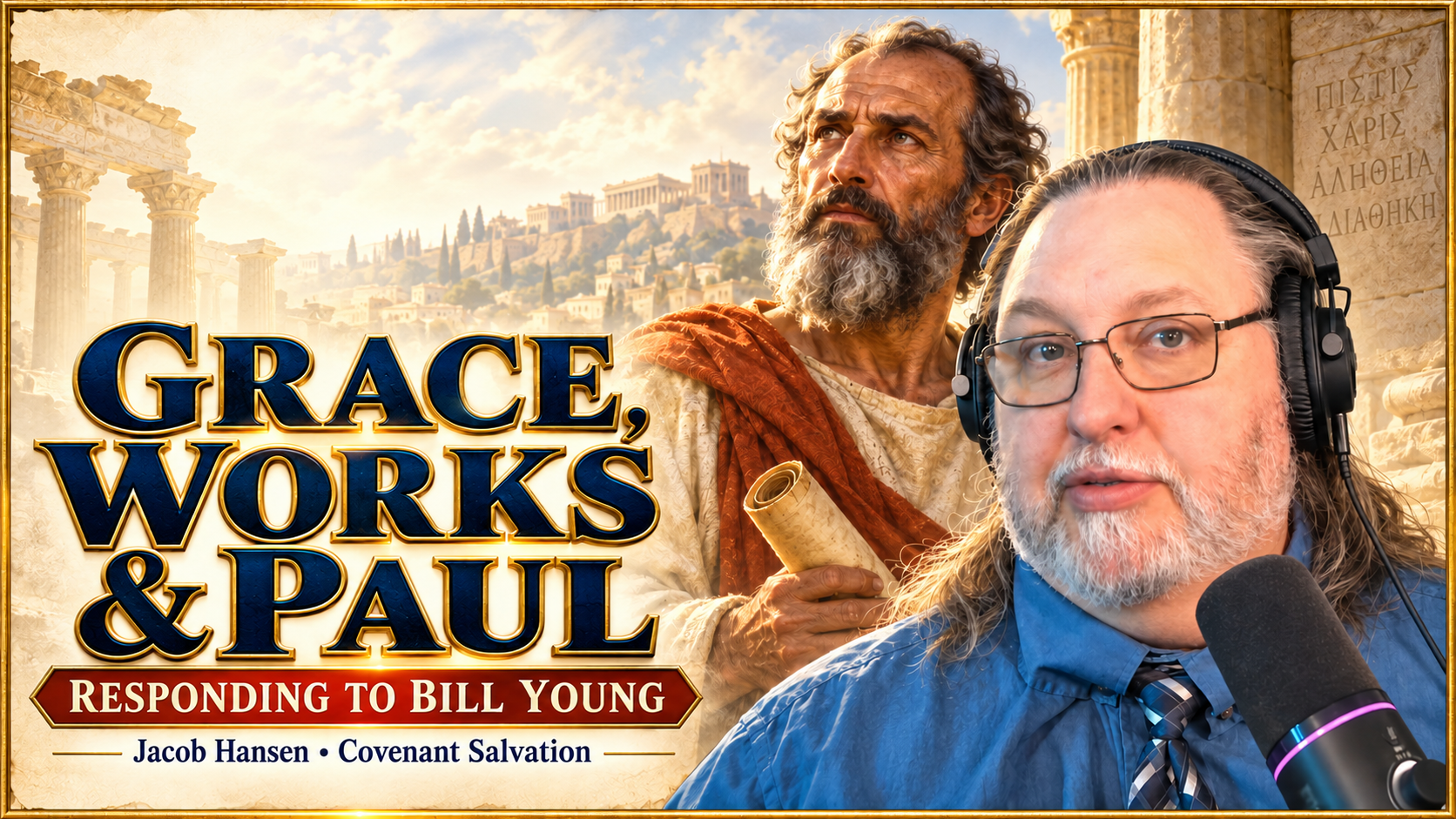



.jpg)

