Showing posts with label Culture. Show all posts

Monday, September 14, 2026

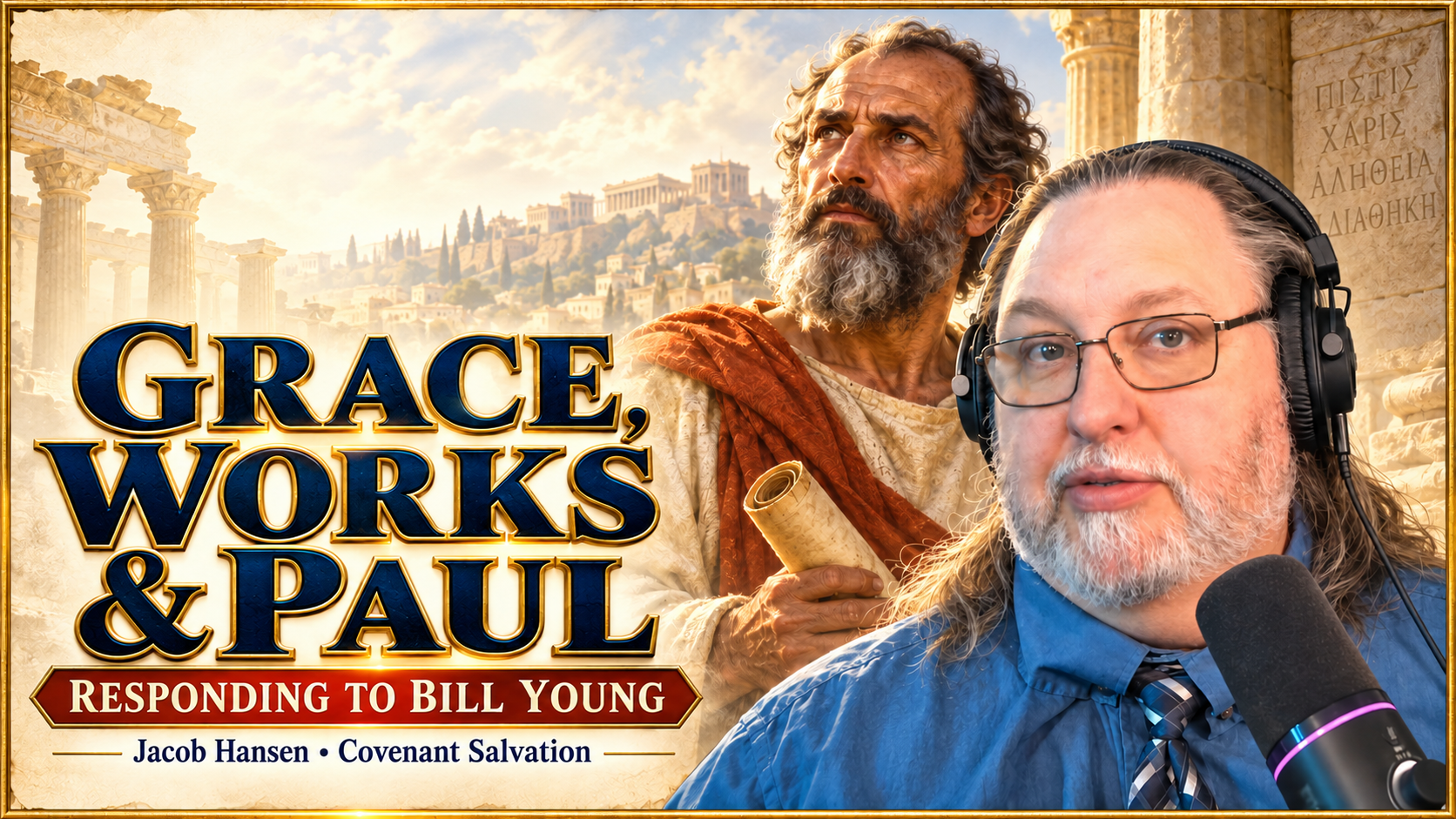
Bill Young's Response to Jacob Hansen: Does Covenant Obedience Deny Grace?

Bill Young's Response to Jacob Hansen: Does Covenant Obedience Deny Grace?

Does obedience turn the gift of salvation into a wage? That is the question beneath Bill Young’s response to Jacob Hansen—and it deserves a better answer than either “Mormonism is counterfeit” or “modern scholarship proves us right.” A Christian can affirm that Christ alone makes salvation possible while still believing that repentance, faithfulness, and a transformed life matter. The dispute begins when we ask how they matter: as payment, as conditions of receiving a gift, as evidence of living faith, or as the life that grace itself creates.

In Episode 104, Young argues that Hansen’s covenant model gives familiar LDS requirements a more attractive vocabulary without changing their function. That objection has force against any explanation that merely renames achievement as relationship. But Young’s broader conclusion—that necessary covenant obedience must therefore amount to earning salvation—requires an additional argument. Neither the presence of conditions nor the fact that human beings actually act establishes that their actions purchase God’s forgiveness.

This response approaches the debate from a Latter-day Saint perspective while taking Protestant objections seriously. It examines the supplied transcript and comment-section record alongside Pauline scholarship, Jewish historical scholarship, LDS sources, and evangelical biblical commentaries. Some of the evidence supports Young’s criticisms of oversimplified apologetics; other evidence directly challenges his portrayal of LDS grace and the scholarly alternatives he dismisses. The purpose is to identify which claims survive careful examination and to hold our treatment of other people to the Christian standard we invoke.

In this response

  • Young’s strongest objection
  • Paul, Judaism, and covenant
  • Grace, necessary works, and merit
  • “After all we can do”
  • What LDS leaders have taught
  • Comments and logical fallacies
  • The Christian standard
  • Frequently asked questions
  • Sources and further reading

What this response examines

The principal source is Young’s “Response to Jacob Hansen’s Covenant Model of Salvation”, identified as Episode 104 in the supplied materials. Quotations below follow the supplied transcript, with punctuation lightly normalized where needed; timestamps identify the relevant passages. The opening Hansen clip is presented within Young’s episode, so this article evaluates the argument as represented there rather than claiming to review every statement Hansen has made elsewhere.

Comment quotations come from the supplied document titled EP 104: Response to Jacob Hansen’s Covenantal Salvation Comment section. Usernames and document paragraph numbers identify excerpts where individual comment permalinks were not supplied. These are selected examples, not a statistical description of the entire audience. The record also contains substantive biblical arguments and objections to mockery. A commenter’s statement is attributed to that account; it is not automatically treated as Young’s own position.

Sunday, June 7, 2026

Set the Sail for Recovery & Sobriety — The Urge to Share

Set the Sail for Recovery & Sobriety — The Urge to Share

In my own life, I’ve learned that the most powerful ministry moments are never scripted—they are Spirit‑led. They happen when we are sensitive to the still small voice, when our hearts are open, and when we allow God to interrupt our day for the sake of someone else’s pain.

Years ago, I was at a local church, carrying more than I could handle. A phone call from my father had shaken me, and a careless comment from someone nearby only deepened the wound. I stepped outside, sat on the front steps, and honestly—I wasn’t praying. I was stewing. Hurting. Lost in the swirl of emotion.

Then a young man walked up, sat beside me, and wrapped his arm around my shoulder. “I was driving by,” he said quietly, “and the Holy Spirit told me to turn around. Anything I can pray for?” He didn’t preach. He didn’t correct. He didn’t offer advice. He simply sat with me and prayed.

That moment has stayed with me for years because it revealed something essential about the heart of Christ: To share the light of Jesus is to sit with people in their mess without judgment. This is not merely an act of companionship but a profound demonstration of love and solidarity. It challenges us to look beyond our own struggles and step into the vulnerability of another, reflecting the grace we have received in our own times of need.

This is the heart of today’s message. In an age where everyone seems to be vying for attention, it can be exceedingly rare to find someone who is willing to pause, listen, and simply be present. Yet, it is in these unassuming moments that we often see the clearest reflection of Christ's love. When we allow ourselves to connect with another’s sorrow, we become vessels of hope.

Anchor verse: Romans 10:10“For with the heart man believeth unto righteousness; and with the mouth confession is made unto salvation.” This verse serves as a reminder that our faith is rooted in a heart-to-heart connection with God, which in turn shapes how we connect with others. The Lord looks upon the heart of a person (1 Samuel 16:7) because it is within the heart where we struggle with identity and purpose, grappling with understanding how God loves those who are so broken and distraught. To have the heart of the Father (Psalm 103:13) means we have a deep and compassionate concern for those suffering.

Our ministry efforts, our outreach, and our words should mirror this heart of compassion. How we minister—how we share—and the urge and desire to comfort those in distress are accomplished through the ministering of the Holy Spirit. It is through the Holy Spirit that we find the strength to empathize, listen, and provide solace. This is how we build up the Kingdom of God, by fulfilling the call to truly mourn with those who mourn and walk alongside them, carrying their burden as Christ carried our burdens (Galatians 6:2).

Today, we are going to look at the Urge to share the message of hope and how we minister as the light of Christ and the Glory of the Father. We are set upon the hill, shining as a beacon for all who are struggling in their own despair. More than just an act of faith, sharing our hope involves actively engaging with those around us, bringing the light of Christ to their darkness. We must be vigilant and willing to heed the call when the Holy Spirit nudges us, reminding us that even the smallest actions can lead to significant transformations in the lives of others. Let us embrace our roles as conduits of God’s love, ensuring that the light we shine is a reflection of His unconditional love and grace.

Wednesday, June 3, 2026

The Plan Never Changed - He Sees Us and Our Struggles

The Plan Never Changed - He Sees Us and Our Struggles

There was a moment in my youth where I learned a lesson I didn’t understand until much later. It happened during a Boy Scout outing one summer. We were out on the bay near my hometown, and it was the first time I ever learned how to paddle a canoe.

Okay, so what — you got to go out on the water, learn to paddle, in a canoe. What’s the big deal?

Here’s the lesson.

On the way back to shore, the tide was going out. We were paddling against it. Not upstream on a river — against the tide of the bay. And the harder we paddled, the slower we moved. Every inch forward took every ounce of strength we had.

Life feels like that sometimes. Recovery feels like that often. You’re straining at the oars, wondering if you’re even moving, wondering when you’ll reach the destination, wondering when the struggle will ease.

I didn’t think about that moment again until I came across a reel of a guy with a sideways cap, tattoos, and piercings teaching on Mark 6 — the same chapter where Jesus feeds the 5,000, right after He receives word of John the Baptist’s death, and right after He commissions the Twelve to preach the Gospel.

Anchor Verse — Mark 6:47–48 (NRSVUE): “When evening came, the boat was out on the sea, and he was alone on the land. When he saw that they were straining at the oars against an adverse wind, he came toward them early in the morning, walking on the sea. He intended to pass them by.”

And that’s where everything shifted. Pastor Kelly K said something that stopped me cold: If Jesus saw them, He sees you too.” The disciples were in serious trouble — rowing hard, struggling against the wind and waves. And Jesus saw them long before He ever stepped onto the water. Just like He sees you. Then came the line that most of us have never paid attention to: “He intended to go past them.” Why would Jesus walk toward them… but not stop?

Monday, April 6, 2026

Elder Patrick Kearon: "About His Business" | Sandpaper People and the Refiner’s Fire

Elder Patrick Kearon: "About His Business" | Sandpaper People and the Refiner’s Fire

How often have we walked into our Sunday meetings looking for a sanctuary from the world that seems to be troubled, in a state of confusion, and quite volatile and toxic? And yet, we step into a place where one may frequently find something much more challenging: a room full of people who have a wide range of differences. It may be quite tempting to see these differences as hinderances or even obstacles to our own spiritual growth. However, what if such annoyances of our specific wards are actually the very tools God uses to encourage, edify, and strengthen us? And sometimes, these people seemed to rub us the wrong way - you know - sandpaper people.1

Wait...what? Sandpaper people? Yep, exactly - sandpaper people are those who may rub us the wrong way. You know, the ones that seemingly get under our skin sometimes? The ones we may want to avoid, even at church. And yet, you may be wondering - what is a sandpaper person? And furthermore, what purpose do they serve?

Sandpaper is designed to smooth out and refine surfaces. A sheet, or strip, of paper that is quite abrasive, depending on the grade, where it smooths out rough spots, removes rust or old paint. It is also used to prepare surfaces for painting, staining, and polishing. In essence, sandpaper's sole intention and purpose is to refine and smooth out the rough edges. And that is exactly what sandpaper do - they smooth out the rough edges and refine us in ways that help shape and transform us into whom our Heavenly Father has called us to become.

Isaiah 48:10 says, "See, I have refined you but not like silver; I have tested you in the furnace of adversity." And you may be wondering, what does Isaiah 48:10 and sandpaper people have to do with attending Church?

Here is the simple truth: God does not refine us in isolation, nor does He shape us only through peaceful, agreeable circumstances. Instead, our Heavenly Father refines us in the furnace of adversity - and sometimes, that furnace of adversity looks surprisingly ordinary. You know, the person singing loudly behind you during Sacrament meeting. The kids with an apparent case of ants in their pants and parents doing their best to help them practice reverence. Or the person who shows up in jeans and a shirt with no tie. People that somehow do not fit our mold or expectations. Let's face it - our wards consist of people full of personalities, preferences, quirks, and rough edges that collide with our own.

And this is an uncomfortable and beautiful reality.

Sandpaper people are part of God's refining fire where we are to come together in unity of faith, common consent, and edifying and strengthening one another in the faith. Not because they are problematic. Not because they may appear less spiritual. And certainly, not because they are annoying obstacles to our worship. Because Our Heavenly Father, in his infinite wisdom, places us in communities where our rough edges meet theirs - and in that friction, something holy happens. Something we may not ever choose, yet something we desperately need.

Elder Patrick Kearon opened up the Saturday Morning Session of General Conference with a message titled About His Business" regarding how our service is a choice, an offering to God and a blessing. He appears to reframe the local ward, not as a social club for the like-minded individuals. Instead, he provided insight on how this may be a divine place of fellowship. A place where the friction of serving people who are "very different to us" creates the heat necessary to forge Christlike virtues - charity, meekness, and forgiveness - that simply may not be developed in isolation. If you've ever struggled to find your place in a diverse congregation, you are not failing the test; you are finally in the right place.

I want to take a moment and walk with you as we bridge the gap between modern apostolic counsel and ancient scripture. To understand how The Body of Christ requires every different member to function - and the reason our growth depends on the person sitting three pews away.

Sunday, January 26, 2025

Debunking Myths: A Thoughtful LDS Response to Claims of Racism in Church History


Photo by Viviana Rishe
on Unsplash
A thoughtful and mindful response to Michelle Grim’s critique from Life After Ministry begins with the recognition that discussions about historical issues, particularly those involving race and religion, require nuance, sensitivity, and respect. Below, I’ll address several dimensions of her post while offering an apologetic response rooted in Latter-day Saint theology and a broader historical and theological perspective.

Historical Context and Presentism

One significant issue in Michelle Grim’s critique is her reliance on presentism—judging historical figures and actions by modern standards rather than understanding them within their historical context. When addressing racism within the history of The Church of Jesus Christ of Latter-day Saints, it’s vital to acknowledge the broader cultural, social, and political environment in which the Church emerged. The early 19th century was a time when racism was entrenched in American society, manifesting in slavery, discriminatory laws, and widespread prejudice.

The Latter-day Saint movement did not exist in a vacuum, and its early leaders, like most people of their time, were influenced by the cultural milieu. However, what differentiates the Church is its trajectory of progress toward inclusivity and its scriptural emphasis on the unity of humankind. While mistakes were made—such as the priesthood and temple restrictions for individuals of African descent, which persisted until 1978—these were not unique to the Church but reflected broader societal norms.

It’s disingenuous to isolate the Church’s history of racial policies without examining the pervasive racism found across Christianity and society during the same period. For example, many Christian denominations supported slavery, segregation, and even used the Bible to justify these practices. Grim’s critique falls into a special pleading logical fallacy by singling out the Latter-day Saints without addressing the same or worse issues within broader Christendom.

Christianity’s Complicated History with Racism

Michelle Grim critiques the LDS Church as if it stands apart from the broader history of Christianity, yet Christianity as a whole has faced significant struggles with racism, anti-Semitism, and even violence. Historical examples include:

  1. Slavery and Segregation in Christian America: Many prominent Christian leaders and denominations supported slavery, segregation, and white supremacy. Even after abolition, some Christian institutions resisted integration and civil rights.

  2. Anti-Semitism: Christian anti-Semitism has roots extending back centuries, culminating in devastating atrocities, such as the Inquisition and pogroms.

  3. Biblical Genocide and Difficult Scriptures: Michelle references Jeremiah 48:10 to accuse Latter-day Saints of deceit, but difficult passages like 1 Samuel 15—where God commands the destruction of the Amalekites, including women and children—present challenges for all Christians who take the Bible seriously. These scriptures, while divinely inspired, must be understood through the lens of historical and cultural context.

  4. Ongoing Struggles: Racism has not been entirely eradicated from any Christian community. This reality should inspire humility and collective effort rather than judgment and self-righteous condemnation.

Elder Alexander B. Morrison’s Remarks

Elder Alexander B. Morrison’s 2000 article, No More Strangers, is an essential part of this discussion. His statement that the Church has “from its beginnings stood strongly against racism in any of its malignant manifestations” must be understood as aspirational rather than a denial of historical imperfections. Morrison’s remarks emphasize a key theological tenet of Latter-day Saint belief: that all are children of God, equal in worth and divine potential.

Unfortunately, racism—the abhorrent and morally destructive theory that claims superiority of one person over another by reason of race, color, ethnicity, or cultural background—remains one of the abiding sins of societies the world over. The cause of much of the strife and conflict in the world, racism is an offense against God and a tool in the devil’s hands. In common with other Christians, members of The Church of Jesus Christ of Latter-day Saints regret the actions and statements of individuals who have been insensitive to the pain suffered by the victims of racism and ask God’s forgiveness for those guilty of this grievous sin. The sin of racism will be eliminated only when every human being treats all others with the dignity and respect each deserves as a beloved child of our Heavenly Father.

Rather than framing his statement as a denial of historical mistakes, it should be seen as a call to repentance and reflection. Morrison’s comments point to the Church’s efforts to move forward, emphasizing the need for dignity and respect among all people. 

If we are to build and maintain strong and righteous individuals and caring communities in the future, we must break down the barriers which separate us from others and build bridges needed to create peace and harmony. This can occur only if we respect, understand, accept, and appreciate others for the admirable qualities they possess. As we respect the right of others to believe and worship as they wish, for example, and they reciprocate those commitments, we join together in respecting, understanding, accepting, and appreciating our differences and each other. People of different backgrounds, cultures, outlooks, capacities, and interests thus are bound together as a community based on common values where the inhabitants are “of one heart and one mind, and [dwell] in righteousness” (Moses 7:18).

The 1978 revelation that extended the priesthood to all worthy males regardless of race was a watershed moment, underscoring the Church’s capacity for divine guidance and progression.

Logical Fallacies and Hypocrisy

Michelle Grim’s post relies on ad hominem attacks and special pleading, where she holds the LDS Church to a standard she does not apply to other Christian traditions. Her critique lacks acknowledgment of the broader historical realities of racism in Christianity or the strides the Church has made in addressing its past. This approach undermines her credibility and raises questions about her motives—whether they are truly to foster understanding or to sow division.

Additionally, the conflation of historical complexities with outright lies ignores the Church’s public acknowledgments and ongoing efforts to confront its history. For example, the Gospel Topics Essay on Race and the Priesthood candidly addresses the Church’s past policies and emphasizes the divine unity of all humankind.

A Call for Charity and Understanding

While it’s easy to point fingers and accuse, the Christian call is one of charity, forgiveness, and humility. Latter-day Saints do not claim perfection in their history or leaders. The Church openly teaches that its leaders, while divinely inspired, are also human and fallible. This is consistent with the broader Christian understanding that God works through imperfect people.

Grim’s critique, though well-intentioned, misses an opportunity for meaningful dialogue. Instead of fostering division, we should focus on how all Christians can work together to combat racism, prejudice, and inequality.

Conclusion

The history of race in The Church of Jesus Christ of Latter-day Saints, like in Christianity as a whole, is complex and evolving. While mistakes have been made, the Church’s trajectory demonstrates a sincere commitment to improving and living up to its divine ideals. Elder Morrison’s article serves as a testament to the Church’s efforts to move forward in love and unity. Rather than dwelling on past errors, let us focus on building bridges and following Christ’s example of compassion, inclusivity, and grace.


Tuesday, September 3, 2024

Comparative Analysis of Warnings and Repentance in Matthew 23-25 and Helaman 7-10

Exploring Repentance:
Apocalyptic Insights from Matthew 23-25 and Helaman 7-10

We find ourselves drawn to the comparison between the chapters of Matthew 23-25 and Helaman 7-10, both rich in apocalyptic language and profound themes. These passages resonate with believers familiar with their call to repentance, a theme that's as relevant today as it was in ancient times. This isn't just a quest for historical knowledge but a deep dive into understanding the significance of repentance through apocalyptic literature. Can we grasp how these texts intertwine prophecies with moral urgencies? As we explore this interplay, we'll see the clarity with which these scriptures speak to our modern lives.

Understanding Apocalyptic Literature

Apocalyptic literature is like a mystery novel that combines symbolic language with vivid imagery to unveil hidden truths. Found throughout both the Bible and the Book of Mormon, these texts often use signs and visions to depict divine plans and future events. By using dramatic storytelling, the writers engage with themes of judgment and repentance, offering moral guidance through narrative arcs that reveal the consequences of human actions under the watchful eyes of the divine.

Defining Apocalyptic Language

Apocalyptic language is distinct for its use of symbolism and imagery to convey complex ideas. In the scriptures, this literary style transforms ordinary words into a powerful code that unveils deeper spiritual realities. It often includes:

  • Symbolic Characters and Creatures: Figures like beasts or angels represent larger concepts or groups.
  • Dramatic Imagery: Visions of cosmic events, like stars falling from the sky, highlight God's power.
  • Prophetic Declarations: Bold predictions that affirm divine intervention in human history.

Consider it as a crafted puzzle, where each piece—the words, symbols, and visions—fits together to form an insightful portrayal of the divine landscape.

Common Themes in Apocalyptic Texts

When we examine texts from Matthew and Helaman, recurring themes echo through the narratives, revealing timeless messages:

  1. Judgment: Often portrayed as a decisive moment, judgment in apocalyptic literature underscores accountability. Our actions are laid bare, consequences revealed, and divine justice is meted out.
  2. Repentance: Central to these texts, repentance is depicted as a call to turn away from wrongdoing and embrace righteousness. It's the lifeline thrown to humanity, urging us to choose a path that aligns with divine will.
  3. End of Times: The conclusion of the current era or the world itself is a pressing theme. It serves both as a warning and a promise, highlighting the temporary nature of earthly struggles while reassuring believers of a grand, divine plan.

As these themes unfold, they aren't just stories from ancient texts. They stir our thoughts, urging us to reflect on our actions and the world around us. Are we ready to heed their call to repentance, or do we risk being unprepared when judgment comes? This apocalyptic narrative challenges us to change, reminding us that though the language is ancient, the message is never outdated.

Contextual Analysis of Matthew 23-25 and Helaman 7-10

When examining the teachings found in the New Testament and the Book of Mormon, specifically in Matthew 23-25 and Helaman 7-10, we uncover a wealth of guidance wrapped in apocalyptic language. Understanding how these sections call for repentance and readiness can offer profound insights into their spiritual importance and literary style.

Matthew 23-25: Warnings and Teachings

In Matthew 23-25, Jesus' sermons, particularly the Olivet Discourse, stress the importance of readiness and repentance. His warnings to the scribes and Pharisees echo with timeless significance, urging us to look within and assess our spiritual paths.

  • Olivet Discourse: Jesus speaks directly about the end times, urging His followers to remain vigilant and prepared for His second coming. He paints vivid pictures of readiness using parables such as the Parable of the Ten Virgins, calling us to keep our lamps trimmed and burning. Are we ready for what is to come?
  • Emphasis on Repentance: Through His rebukes of religious leaders, Jesus connects outward displays of piety with the need for true inner transformation. This path directs us toward a life of humility and self-examination.

Like a lighthouse guiding ships through treacherous waters, these teachings remind us that repentance is a continuous process, requiring constant vigilance and an ever-watchful heart.

Helaman 7-10: Calls to Repentance

In the parallel narrative of Helaman 7-10, we find Nephi standing as a lone voice, calling his people back to righteousness. Nephi's powerful messages to the Nephites are laden with apocalyptic symbolism, urging them to turn from their paths of destruction and embrace faith.

  • Nephi’s Prophetic Message: Standing in the tower by the highway, Nephi laments the spiritual decay of his people, echoing his call with fervor and clarity. His appeals are not just warnings but invitations to renew covenants and align with God's will.
  • Parallels to Matthew: The urgency in Nephi's voice matches that of Christ's teachings in Matthew. Both call for a deep turning of the heart, a repentance that is not merely outward but deeply rooted in faith and commitment.

Nephi's messages serve as a mirror, reflecting the warnings and teachings of Matthew. They challenge us to seek a deeper understanding of repentance, not just as an act, but as a way of living—daily aligning our actions with our beliefs.

Through these texts, we are navigators on a spiritual journey, exploring the rich landscapes of ancient teachings that continue to speak to our modern world. As the winds of time shift, the call for readiness and repentance remains steadfast, inviting us to discover deeper truth and meaning in our lives.

The Call to Repentance

The call to repentance is like a beacon of light shining through the fog, guiding us back to righteousness. As we explore the teachings of the Bible, we find that repentance is not just an ask but an urgent invitation to transform and prepare for something greater. The passages in Matthew, paired with texts from the Book of Helaman, offer us a deeper understanding of this spiritual practice.

John the Baptist: The Kingdom of Heaven is at Hand

In Matthew 3:2, John the Baptist proclaimed, "Repent, for the kingdom of heaven is at hand." These words were not just a gentle suggestion but a loud trumpet call. Why was this message so crucial? John understood that the arrival of God's kingdom demanded our immediate attention. It's like when you hear the fire alarm, you don't just sit there—you act.

  • Immediate Change: The kingdom's arrival was not distant; it was near. This urgency required people to change their ways at once.
  • Spiritual Readiness: Repentance was essential for spiritual readiness, like preparing the soil before planting. Without repentance, entering the kingdom would be impossible.

This passage teaches us that repentance is the starting point, a chance to hit the reset button and align ourselves with God's will.

Christ’s Proclamation in Matthew 4:17

When Jesus said, "Repent, for the kingdom of heaven is near," in Matthew 4:17, He echoed John's cry but with divine authority. His message wasn't just about feeling sorry but turning towards a new life. So why is this so powerful?

  • Personal Transformation: Repentance is not just about acknowledging our sins. It's like turning away from a dead-end road and finding a new path toward hope and possibility.
  • Trust in the Message: By calling us to trust in His words, Jesus offered us a lifeline, an entry into the kingdom filled with God's grace.

His message of repentance was the beginning of a journey, a journey that transforms and renews us.

The Axe Laid at the Root: A Call to Action

Matthew 3:10 paints a vivid picture: "The axe is already laid at the root of the trees." This was not a gentle nudge; it was a wake-up call.

  • Urgency and Accountability: Just as a gardener cuts down fruitless trees, John warned that a life without true repentance would face divine judgment. Think of it as the final exam; you can't cram at the last minute without being prepared.
  • Genuine Change: Repentance is not hollow words. It's a change that bears fruit, transforming actions and attitudes. Without it, we're like trees that look lush but haven't borne real fruit.

The image of the axe serves as a reminder that our time to act is now. Our spiritual health depends on our willingness to repent and bear fruit worthy of God's kingdom.

In our study of these pivotal passages, we see a consistent theme: repentance is not just a momentary act but an ongoing commitment. It's a path that requires us to turn from our old ways and align ourselves with the divine. Understanding these teachings urges us to embrace repentance as a powerful and necessary step in our spiritual journey.

Comparative Analysis of Woes and Repentance

In delving into the scriptures, a compelling analysis emerges when comparing the woes and calls for repentance found in Matthew 23-25 with those in Helaman 7-10. These texts, both rich in apocalyptic language, paint vivid pictures of divine judgment and the urgent need for repentance. The warnings issued in both Matthew and Helaman serve as powerful reminders of the consequences of hypocrisy and wickedness. As we explore these themes, it's essential to compare the hypocrisy of the Pharisees with that of the Nephite judges, the pronounced woes, and the ultimate judgment for shedding innocent blood.

Pharisees and Nephite Judges: A Study in Hypocrisy

In Matthew 23:1-7, Jesus calls out the Pharisees for their hypocrisy, highlighting their love for titles and public recognition over genuine leadership. They place heavy burdens on others while failing to practice what they preach. Contrast this with Helaman 7:4-6, where Nephi laments that the judges have become corrupt, seeking power and wealth at the expense of righteousness. This parallel reveals a timeless truth: leaders who prioritize self-interest over spiritual integrity create societies plagued by moral decay.

  • Authority Misused: Both sets of leaders exploit their positions for selfish gain.
  • Public Image Over Integrity: Pharisees and Nephite judges alike are more concerned with outward appearances than inward righteousness.

Woes to the Scribes and Nephite Wickedness

In Matthew 23:13-30, Jesus pronounces a series of woes upon the scribes and Pharisees, condemning their hypocritical practices. These woes echo through time, finding their counterpart in Helaman 7:12-29, where Nephi condemns the Nephites for their wicked deeds. Both texts emphasize the inevitable divine judgment that falls upon those who refuse to repent despite knowing the truth.

  • Blind Guides: Both the scribes and the Nephites are criticized for leading others astray.
  • Outward Cleanliness Vs. Inner Filth: This metaphorical language of appearances vs. reality is shared across the texts.

Judgment for Shedding Innocent Blood

Matthew 23:30-36 focuses on the severe judgment that awaits those who, like past generations, have shed innocent blood. This theme is mirrored in Helaman 8:1-28, where the Nephites face dire consequences for their violent actions against the innocent. The shared message is clear: wickedness brings divine reckoning, and blood guilt cannot be ignored in the eyes of righteousness.

  • Prophetic Warnings: Both texts detail prophets who warn of imminent doom if repentance is not sought.
  • Justice Served: The narratives assure that justice transcends time, holding each accountable.

These sections of scripture invite us to reflect on the necessity of repentance in our lives. As the Pharisees and Nephite judges faced divine condemnation, we too are reminded of the importance of sincerity and righteousness. Will we heed these ancient calls for repentance, or continue down paths of hypocrisy and wickedness?

Modern Implications of Apocalyptic Messages

The messages of apocalyptic literature from the Bible and the Book of Mormon often resonate with themes of urgency, change, and renewal. Today, these messages continue to hold significance as they mirror modern challenges, emphasizing calls for social and spiritual transformation. In a world that seems increasingly uncertain, these ancient texts remind us that renewal and reflection are as relevant now as they were in the past.

Cultural Reflections of Repentance

In today's society, the concept of repentance can sometimes seem out of step with cultural norms, yet it's more relevant than ever. When we look at Matthew 23-25 and Helaman 7-10, we find a persistent call to repentance. These texts emphasize change, not as a burden, but as a path to renewal and freedom.

Modern culture often mirrors these calls through movements that encourage self-improvement and accountability. Think about how public figures—whether celebrities or politicians—are held responsible for past actions. We see a societal reflection of repentance through:

  • Public Apologies: When individuals or organizations acknowledge past mistakes and seek to make amends.
  • Social Movements: Calls for societal change often resemble the biblical calls for repentance, where communities strive to rectify systemic injustices.
  • Personal Growth Trends: The emphasis on personal development in contemporary culture mirrors the transformative aspect of repentance.

Repentance today can be seen as a commitment to change and a decision to pursue righteousness over wrongdoing. It's an ongoing process that continues to shape who we are as individuals and as a society.

Prophetic Warnings for Today

The prophetic warning messages found in these texts serve as a wake-up call for modern audiences. In light of current global events, such as climate change, political unrest, and societal divisions, these ancient warnings echo with startling clarity.

These texts caution us to be vigilant against complacency and ignorance. Here's how their messages are relevant today:

  • Environmental Concerns: With climate change threatening the future of our planet, prophetic calls to be stewards of the Earth remind us of our responsibility to protect and preserve.
  • Social Inequality: The warnings against injustice resonate with current issues of income disparity and racial injustice, urging us to strive for equality and fairness.
  • Global Conflicts: In an era of growing international tensions, the urgency for peace and understanding becomes more pressing.

The significance of these prophetic messages lies in their ability to urge us to act with foresight and compassion. By reflecting on these ancient warnings, we are encouraged to address the root causes of today's challenges and work towards a more just and harmonious society.

By engaging with these texts, we are not only reminded of past lessons but also guided to apply them to present-day issues, leading to a pathway of transformation and hope.

Conclusion

Embracing the complex interplay between Matthew 23-25 and Helaman 7-10, we witness an intricate tapestry of apocalyptic literature underscoring the vital theme of repentance. These scriptural passages challenge us to reflect on our own lives through their vivid portrayals of divine judgment and mercy. They invite us to reconsider our actions and choices, emphasizing the timeless importance of repentance in guiding us to spiritual renewal and growth.

Engaging with these texts illuminates the broader implications of repentance, offering a lens through which we can view contemporary societal challenges. Through these lessons, we are called not only to individual transformation but also to contribute meaningfully to our communities. Let us explore further the dynamic dialogues these scriptures provoke, questioning and discussing them in our own circles.

As we continue this exploration, let us remember the profound call to change embedded in these texts, echoing through history to shape a better future. We encourage readers to contemplate their own paths to repentance, as a step toward both personal and collective enlightenment.

Leave a Tip if you enjoyed this content

Your support not only allows us to continue providing valuable content, but it also enables us to reach a wider audience. By contributing financially, you are helping us expand our reach to individuals who may be seeking guidance and inspiration on their spiritual journey. Together, we can make a difference in the lives of others, encouraging them to live a life of faith, purpose, and meaning.

$5.00

Click here to purchase.

Saturday, August 31, 2024

Helaman 6:17 and Matthew 19:16-30: Confronting the Destructive Power of Greed

Unmasking Greed:
The Hidden Dangers in Helaman 6

In Helaman 6, we find ourselves amidst a gripping narrative that unravels the interplay of power, wealth, pride, greed, and secret combinations. This historical account rings alarm bells about the corrupting influence of greed and secret societies that conspire to overthrow righteousness. The scripture illustrates how the pursuit of wealth can lead individuals and societies to moral decay, driving them toward shadowy alliances and secret acts against their better nature.

We're not just reflecting on ancient events here; these themes are timeless and resonate strongly in today's world. Greed blinds us, distorts our values, and fuels the formation of clandestine groups that thrive on deception and power. Helaman 6's message is compelling in its relevance, offering insights into the perils of prioritizing material wealth over integrity and the price of yielding to prideful ambitions.

As we explore these themes, let's consider how they mirror contemporary challenges and why vigilance remains crucial in safeguarding against these age-old pitfalls. Are we, like the Nephites, at risk of letting greed and secret machinations erode our principles? Through careful analysis, we'll uncover the wisdom in this scripture and its implications for our lives today.

Exegetical Context of Helaman 6

In the Book of Mormon, Helaman 6 stands out as a chapter rich with themes and narratives that mirror the human experience. It places emphasis on power, wealth, pride, greed, and secret combinations. As we explore the exegetical context of this chapter, it's essential to understand its role within the broader narrative of the Book of Mormon and the historical backdrop it presents.

Understanding Helaman's Place in the Book of Mormon

The Book of Helaman, a pivotal section in the Book of Mormon, tells the story of the Nephites and Lamanites. Positioned between Alma and 3 Nephi, Helaman serves as a bridge during a time of societal change. It's much like the connective tissue in a tapestry, holding together narratives of faith and folly, unity and division.

The Nephites and Lamanites often find themselves oscillating between righteousness and wickedness. In Helaman 6, we observe a rare moment of peace and prosperity. But this peace is fleeting, much like a calm before the storm. The chapter acts as a narrative arc that demonstrates how greed and pride can usher in corruption, even amidst prosperity.

Historical Significance and Themes

Helaman 6 is historically significant because it highlights the dangers of secret combinations. These were conspiratorial groups working in the shadows, much like modern-day mafia or cartels. Their influence grows as they exploit human weaknesses such as greed and pride.

This chapter serves as a cautionary tale, underscoring the idea that unchecked greed can lead to societal collapse. It poses a compelling question: if we let greed guide our actions, what becomes of our moral fabric?

Relevance to Modern Readers

As we explore Helaman 6, it’s striking how its themes resonate today. Greed, power struggles, and secret combinations are issues that societies still grapple with. In a way, this chapter is a mirror reflecting our world’s challenges.

When we look around, it's easy to spot parallels. Corporations with unchecked power, governments riddled with corruption, or individuals putting wealth above all else—these are the modern-day secret combinations. Helaman 6 invites us to reflect on these issues and consider what steps we can take to prevent them from consuming our values.

Engaging with the Text

A thoughtful engagement with Helaman 6 requires us to ask ourselves:

  • How can we guard against greed in our personal lives?
  • What lessons can we draw from the Nephites and Lamanites in avoiding pride and secret combinations?

These questions not only help us internalize the teachings of this chapter but also encourage us to apply them meaningfully in our own lives.

In summary, the exegetical context of Helaman 6 provides a rich exploration of human tendencies toward greed and the dangers of secret combinations. As students of the text, we walk away with a deeper understanding of its historical weight and its persistent relevance today.

Understanding Greed in Helaman 6:17

In Helaman 6:17, we witness a vivid portrayal of how greed can grip the hearts of individuals, a powerful emotion that transcends time and scripture. The passage tells us about the Nephites whose hearts were set upon wealth, leading to societal decay. This scripture invites introspection and challenges us to reflect on how the pursuit of riches can overshadow spiritual values. Greed is not merely a historical struggle but a living, relevant reminder of what occurs when material desires eclipse ethical principles.

Connections to Matthew 19:16-30

A compelling parallel to Helaman 6:17 can be found in Matthew 19:16-30, where a rich young man's encounter with Jesus uncovers truths about wealth and spiritual accountability. The young man, earnest yet entangled in his possessions, illustrates the eternal struggle between earthly riches and spiritual fulfillment. When Jesus tells him to sell his possessions and give to the poor to truly follow Him, the young man turns away, unable to part with his wealth.

Here, we find similarities with the Nephites, who too were "blessed with riches" yet allowed their hearts to become hardened. Both narratives show us that when wealth takes precedence, it can cloud judgment and prioritize earthly treasures over eternal rewards. Isn't it remarkable how these stories, separated by hundreds of years and contexts, resonate so profoundly with one another?

The broader themes of greed in these scriptures highlight the consequences when we allow wealth to dictate our actions and decisions. In both cases, the fixation on material wealth leads to a departure from spiritual paths. Through these texts, we are invited to examine our own lives and ask ourselves: Are we prioritizing transient riches over lasting spiritual growth?

This examination into the nature of greed in Helaman 6:17, mirrored in Matthew's account, serves as a stark reminder of the destructive potential of unchecked desires. Let's be candid — how often do we find ourselves measuring success by what we have rather than who we are? By drawing on these scriptural examples, we can strive to balance our material pursuits with our spiritual responsibilities, ensuring that our paths remain aligned with more enduring values.

Secret Combinations: Characteristics and Objectives

In Helaman 6, we discover the dark and hidden world of secret combinations, groups that thrive on power, wealth, and unchecked greed. These clandestine organizations operate shrouded in secrecy, manipulating situations to their advantage. But what truly are the defining traits of these secret combinations, and what fuels their relentless pursuit of dominance and control? Let's explore.

The Role of Secrecy and Covenant Making

Secret combinations are anchored by secrecy, much like a shadow that hides their true intentions in the darkness. In Helaman 6:22, we see how these groups use secret signs and covenants to protect and grow their nefarious networks. They forge these covenants not out of loyalty, but out of fear and control. Like an unending chain, each link is bound in silence, only driven by greed and the promise of more power.

  • Secrecy: Their operations are masked with hidden oaths and whispers, ensuring only the inner circle knows the full truth.
  • Covenant Making: These are not just mere promises, but solemn vows that bind individuals to their cause, reinforcing their ability to commit acts without remorse.

This secrecy is what makes them so elusive and effective, spinning a web that is hard to detect until it's too late.

Violence and Deception as Tools for Control

In the world of secret combinations, violence and deception are weapons just as real as swords and shields. Helaman 6:17, 23 reveals how deeply these tools are embedded in their operations. They employ murder without hesitation, using brutality as a means to silence opposition and instill fear.

  • Murder and Violence: These acts are used strategically, not randomly, targeting those who stand in their way or who threaten their ambitions.
  • Deception: Lies and deceit are woven into their strategies, masking their intentions and misleading others to support their cause. It's like a poisonous gas, unseen but deadly.

Their brutality is not just senseless; it's calculated, perpetuating a cycle of fear and submission among those they seek to control.

Conclusion

As we reflect on these dark truths, it begs the question: How can we recognize and dismantle these secret combinations before their greed-fueled ambitions lead to greater suffering? Understanding their characteristics and objectives is the first step toward shining a light on their darkness.

The Theological Implications of Secret Combinations

In the Book of Helaman, secret combinations are portrayed as insidious alliances forged in darkness, driven by unchecked ambition and greed. These covert agreements operate not just in secrecy but also in opposition to divine purposes, leading individuals away from spiritual light. As we reflect on these notions, we must consider the broader theological narrative that unveils the spiritual ramifications of such conspiracies.

Satan as the Grand Conspirator

In Helaman 6:26-30, Satan emerges as the grand conspirator, orchestrating these secret combinations. His influence pervades every level of these alliances, depicting him as a master manipulator. Just as a puppeteer controls marionettes, Satan directs these dark conspiracies, ensuring they serve his purposes of chaos and destruction.

The text reveals Satan's cunning strategies:

  • Corruption of Values: By promoting greed and power, he distorts moral values, leading individuals to prioritize personal gain over communal well-being.
  • Erosion of Trust: These combinations thrive on betrayal, eroding the social fabric and breaking down trust among people.
  • Spiritual Blindness: Participants are led into spiritual darkness, unable to perceive truth and righteousness.

Have you ever considered how these tactics manifest today? Whether it's in corporate greed or political deception, these spirit-stifling strategies remind us of Satan’s ongoing influence.

In our spiritual journey, how do we guard against these sinister forces? One might suggest that recognizing Satan’s role and refocusing on divine principles could serve as a robust defense. Reflect on the compelling fact that these combinations are not just historical relics, but contemporary challenges still rooted in the pursuit of power through stealth and deceit.

Recognizing Satan's role as the grand conspirator equips us with the wisdom to counteract these forces. Let's prioritize light over darkness and truth over deception, ensuring we resist becoming part of such soul-damaging schemes.

Modern Parallels: Toxic Politics and Secret Combinations

In today's world, politics often mirrors troubling patterns described in scripture. The rise of "secret combinations," or clandestine groups that plot and execute schemes for power and control, warns us about the dangers we face. As we examine our political climate, we find striking resemblances to these ancient warnings. The themes of power, greed, and hidden dealings resonate in current affairs, making it essential for us to understand their impact on today's society.

The Rise of Liberalism and Progressivism

The dynamics of liberal and progressive movements have reshaped the political landscape, often reflecting the prophetic insights found in scripture. Particularly, references in Isaiah 50:20-30, which talk about moral confusion and the reversal of ethical norms, seem eerily relevant today.

Consider how politics often turns into a game of power grabs and partisanship. Politicians sometimes twist the truth just to align with their agendas. This may seem like a metaphorical dance where truth is the one sitting out. Why do leaders stray from honesty? The struggle for control can lead to an environment where greed and ambition overshadow genuine public service.

As we look around, we notice:

  • Moral Inversion: Issues previously seen as clear-cut now appear blurred and twisted. Like Isaiah's warning, wrong is sometimes called right, and vice versa.
  • Echo Chambers: Social media platforms have transformed into echo chambers, where only familiar voices get amplified. This can foster a toxic cycle of misinformation and suspicion.
  • Hidden Alliances: Behind-the-scenes deals and secret alliances seem to thrive, making it harder for transparency to prevail.

These challenging trends can remind us of the importance of staying vigilant and ensuring that ethics guide our decisions. Instead of falling prey to greed and clandestine dealings, let us work towards a politics rooted in openness and mutual respect.

Engaging with these parallels encourages us to reflect on our role in promoting positive change. Are we fostering a culture that values transparency? Or are we unknowingly supporting secrecy? These questions are vital as we navigate the complex web of modern politics, striving for a future where integrity leads the way.

Spiritual Guidance from President Henry B. Eyring

In a world where greed and secret combinations threaten our spiritual well-being, President Henry B. Eyring's teachings offer profound insights. His messages, shared during the General Conference, emphasize the importance of prayer and spiritual vigilance to counter these negative forces. By drawing upon his counsel, we can find ways to strengthen our resolve and maintain our integrity.

Prayer as a Shield

President Eyring highlights prayer as a powerful shield against the temptations of greed. In moments of spiritual struggle, prayer serves as our line of defense. Imagine prayer as the anchor that holds us steady amidst turbulent waves. Without it, we can easily drift into the stormy seas of material desire and selfish ambition. By praying with sincerity, we open our hearts to divine guidance and the strength needed to resist greed.

The Role of the Holy Ghost

Eyring teaches that the Holy Ghost acts as our constant companion, guiding us through life's challenges. When greed tempts us, the Holy Ghost can provide a gentle nudge back onto the righteous path. Consider the Holy Ghost as a spiritual compass that points us back to our true north when we stray. By staying receptive to this guidance, we fortify ourselves against the lure of wealth that leads to corruption.

Building Faith through Service

President Eyring underscores the importance of service as a means to combat greed. When we serve others, we break free from the chains of selfishness. Service allows us to see beyond our desires, fostering a sense of community and selflessness. It's like planting seeds of goodness in a garden overtaken by weeds of greed. Over time, these seeds grow, overshadowing our desires and nurturing a spirit of charity.

Seeking Truth and Avoiding Deception

In confronting secret combinations, Eyring prompts us to seek truth diligently. Lies and deceptions are the tools of greed, leading us away from spiritual enlightenment. By seeking truth, we dismantle the webs of deception spun by greed. Picture truth as a blazing torch in a dark tunnel; it reveals hidden traps and illuminates the path to safety.

Application in Daily Life

How can we apply these teachings in everyday life? Here are practical ways:

  • Daily Prayer: Set aside a quiet time each day for sincere prayer, asking for strength to resist greed.
  • Seek Guidance: Be attentive to the promptings of the Holy Ghost in decision-making.
  • Actively Serve: Find opportunities to serve others without expectation of reward.
  • Stay Informed: Regularly read scriptures and other uplifting materials to arm yourself with truth.

By internalizing President Eyring's spiritual guidance, we can find the strength to overcome greed and live with greater purpose and clarity.

Conclusion: The Call to Righteousness

As we reflect on the lessons found in Helaman 6, a tapestry of themes such as power, wealth, pride, greed, and secret combinations emerges. The narrative reveals how these vices have the potential to lead us away from the true path. But what carries stronger through these threads is the call to righteousness.

In a world filled with distractions and temptations, how do we keep our moral compass pointing to true north? Let's explore this in some practical ways.

Embracing Humility

Humility is more than just bowing our heads. It's about recognizing our limitations and understanding the boundless wisdom that lies beyond our grasp. It's an acknowledgment that helps us avoid the trap of pride:

  • Listen to Others: Sometimes, the loudest voice we hear is our own. By opening ourselves to the wisdom of others, we foster connection and growth.
  • Acknowledge Mistakes: Understanding and admitting our faults is not a weakness; it’s a strength. It allows us to learn and improve.
  • Serve Selflessly: Putting others' needs before our own cultivates a spirit of humility and reminds us of the importance of compassion.

Living with Integrity

Integrity is like a sturdy anchor in the stormy seas of life. It keeps us grounded, ensuring that our actions align with our words:

  • Be Honest: Truthfulness should form the foundation of our relationships, both personal and professional.
  • Stand Firm: Even when faced with challenges, sticking to our principles helps build character.
  • Lead by Example: Our actions speak volumes. By demonstrating integrity, we encourage others to follow suit.

Rejecting Greed

Greed can blind us, leading us to lose sight of what truly matters. Here's how we can keep this temptation at bay:

  • Prioritize Needs over Wants: Focus on the essentials and learn to be content with what we have.
  • Share Generously: Recognize the joy in giving and the positive impact it can have on others.
  • Focus on Experiences: Material possessions fade, but experiences and memories last a lifetime. Invest in what enriches your soul rather than your bank account.

Building Strong Relationships

A supportive circle helps keep us on the righteous path. Here's how we can nurture our connections:

  • Communicate Openly: Honest and open communication solidifies trust and understanding.
  • Offer Encouragement: Be the cheerleader in someone else's life, and in turn, you'll find encouragement yourself.
  • Spend Quality Time: Real connections grow from shared moments, laughter, and even tears.

In weaving these principles into the tapestry of our lives, we strengthen our resolve against the lures of power and greed. By answering the call to righteousness, we not only enrich our own lives but illuminate the path for others, creating a legacy of virtue and integrity.

Leave a Tip if you enjoyed this content

Your support not only allows us to continue providing valuable content, but it also enables us to reach a wider audience. By contributing financially, you are helping us expand our reach to individuals who may be seeking guidance and inspiration on their spiritual journey. Together, we can make a difference in the lives of others, encouraging them to live a life of faith, purpose, and meaning.

$5.00

Click here to purchase.

Authentic Masculinity: Embracing Self-Discovery and Personal Growth

Touchstones - Daily Meditations for Men

In the world to come they will not ask me, "Why were you not Moses?" They will ask me, "Why were you not Zusya?"
  Zusya of Hanipoli

We grow in the direction of the choices we make. That growth depends as much on how we make decisions as on which ones we make. Often in the past we tried to model ourselves after someone we admired. Our self-confidence was poor, so we depended on others to let us know if our decisions were correct, or we modeled our decisions on how we thought others would decide. Now we see that we can never become exactly like someone else, and we need not try.

To each of us, God gives a creative task and a problem - to take our special abilities and limitations and become whole men. We use standards for our choices based on our best ideas of right and wrong, of what fits with our inner feelings, and of what our Higher Power is guiding us toward. Unfinished and imperfect as we are, we become more peaceful as we become more fully ourselves.

May I be true to myself in the choices I make today? I am becoming the man that I admire.

Recovering Authentic Masculinity for Personal Growth

In society today, the concept of masculinity often feels misunderstood and even limiting. As we strive to become whole men, we're embarking on a journey that involves much more than just traditional roles and expectations. At its core, being a whole man is about understanding who we truly are, embracing self-discovery, and committing to personal growth.

This process requires peeling back the layers of societal expectation and looking within ourselves. It's about building self-worth by setting realistic goals and celebrating our successes. As we make these changes, we learn how to live more authentically, fostering a sense of responsibility and fulfillment.

In this exploration, we're not alone. Many men around the world are seeking similar paths toward maturity and true personal freedom. By understanding and working on our own masculinity, we not only improve ourselves but also enrich the lives of those around us.

Understanding Masculinity

In today's world, understanding masculinity is more important than ever. This isn't just about being strong or tough; it's about being a whole person. As we explore masculinity, we realize how it shapes our actions, relationships, and identities. The concept of masculinity isn't static—it's like a river, constantly flowing and changing with societal currents. Let's look at different cultural perspectives and tackle some common myths about masculinity.

Cultural Perspectives on Masculinity

Cultural Perspectives on masculinity teach us how diverse the concept can be. Around the world, what it means to be masculine varies significantly, shaped by historical, social, and economic factors. Here are a few examples:

  • Western Cultures: Often emphasize independence and toughness. The image of the lone cowboy or superhero persists, reflecting ideals of bravery and self-reliance.
  • Eastern Cultures: May value harmony and community over individual strength. Masculinity can be linked to wisdom and emotional balance.
  • Indigenous Cultures: Often celebrate community roles and the connection to nature. Masculinity isn't just about individual achievements but contributing to the group.

Understanding these perspectives shows us that masculinity is diverse and multifaceted. It's like a kaleidoscope, with each culture providing a different view.

Common Myths About Masculinity

Myths About Masculinity, like misleading tales whispered down through generations, can trap us in narrow views. Here are a few myths worth dispelling:

  1. Men Shouldn't Show Emotion: Not true. Feeling and expressing emotions are part of the human experience. Sharing our feelings can create deeper connections with others.
  2. Masculinity Equals Strength: Strength is indeed a quality, but it doesn't solely define masculinity. Emotional intelligence and kindness also play crucial roles in modern masculinity.
  3. Men Can't Ask for Help: Seeking assistance shows courage and wisdom. We all need support, and asking for help is a sign of maturity, not weakness.

These myths act like invisible barriers, holding us back from authentic self-discovery. By addressing them, we pave the way for new understandings of what it means to be masculine.

In recognizing the diversity of cultural perspectives and challenging common myths, we can redefine masculinity to include compassion, equality, and authenticity. As we continue our journey toward understanding masculinity, let's remember that our identity is shaped by our choices, not by outdated stereotypes.

The Importance of Self-Awareness

Self-awareness is like a mirror that lets us see who we truly are inside. It shows us our values, emotions, and even the parts we might hide from others. This kind of understanding lays a strong groundwork for personal growth and wise decision-making. Let's explore how self-awareness interweaves with masculinity by looking at personal values and emotional needs.

Reflecting on Personal Values

Our values are like a compass guiding our life direction. They influence how we see masculinity and shape our identity as men. Do we value strength, kindness, or honesty? These core beliefs can steer how we act and react in everyday situations.

  • Identify Core Values: Take a moment to list the things that matter most to you. Is it loyalty, courage, or respect?
  • Influence on Masculinity: Consider how these values impact your perspective on what it means to be a man. Are you striving to be a protector, a leader, or perhaps a nurturer?

Understanding our values lets us express masculinity in a way that feels true to ourselves, rather than following external pressures.

Recognizing Emotional Needs

Expressing emotions is not a sign of weakness but a crucial part of a healthy masculine identity. Sometimes, society may encourage us to bottle up feelings, but understanding them can lead to personal strength.

  • Understand Emotions: Ask yourself how you truly feel in different situations. Are you expressing anger when you're actually hurt?
  • Healthy Expression: Practice sharing your emotions openly with trusted individuals. This not only nurtures relationships but also enhances self-awareness.

Recognizing emotional needs helps us connect better with others and reinforces a balanced masculine identity. When we know what we feel and why, we can handle life's challenges more effectively.

By reflecting on personal values and recognizing emotional needs, we cultivate a deeper understanding of ourselves. Self-awareness becomes not just a tool but a cornerstone in embodying a fulfilling masculinity.

Making Empowered Choices

Empowered choices are crucial in shaping our masculinity and identity. Every decision we make, big or small, influences who we become. By making conscious choices, we not only define our present but lay a foundation for our future selves. As we navigate life, establishing personal standards and seeking guidance from a higher power can serve as a compass, steering us toward becoming whole men.

Setting Personal Standards

Personal standards are like the backbone of our masculinity. They guide us in our daily actions and decisions. Think of them as a map that helps us navigate the twists and turns of life. By setting high standards, we're not aiming for perfection but striving to be our best selves. How do we choose what standards to set?

  • Values Alignment: Our personal standards should line up with our core values. If kindness is important to us, then treating others with respect becomes a non-negotiable standard.
  • Reflect and Adjust: Standards aren't set in stone. We should regularly reflect on them and adjust as needed. As we grow, our understanding of masculinity evolves, and so should our standards.
  • Accountability: Finding someone who can keep us accountable is vital. Sharing our standards with a friend or mentor can provide motivation and support.

Are we living by our standards today? This question helps us stay true to ourselves and reinforces our journey of becoming whole.

Seeking Guidance from Jesus Christ

In the quest to become a whole man, spirituality can be a guiding light. Connecting with Jesus Christ offers support and direction, especially in times of uncertainty. Spirituality doesn't necessarily mean following a specific religion; it's about finding a connection with something bigger than us.

  • Inner Peace: Faith in a higher power often brings a sense of calm and peace. It gives us strength when everything else feels chaotic.
  • Moral Compass: Spiritual beliefs can act as a moral compass, helping us distinguish right from wrong. They provide clarity when our path seems muddled.
  • Connection and Reflection: Spending time in prayer or meditation allows us to reflect and connect deeply with our inner selves. It's a time to listen, reassess, and realign our goals with our spiritual principles.

Are we open to the guidance that spirituality offers? As we explore this connection, we might find answers to questions we've long pondered, leading us closer to who we truly want to be.

By setting personal standards and seeking guidance from a Christian perspective and worldview, we shape an empowered path toward our identity. Masculinity flourishes when we make choices aligned with Godly character and integrity.

Building Meaningful Relationships

In our pursuit of becoming whole men, relationships are the glue that binds us together. They shape our lives, offering us joy, support, and growth. Whether with fellow men or women, these connections are crucial for developing a complete sense of self and community. These bonds allow us to explore our personalities, challenge societal norms, and truly embrace our masculinity.

Connecting with Other Men

Male friendships are more than just a pastime—they are vital for fostering community and support. Having close relationships with other men allows us to share experiences, which can be both empowering and healing. Picture a circle of friends who understand your struggles and triumphs; it feels like a brotherhood.

  1. Emotional Support: Male friendships provide a safe space to express emotions. Sharing joys and sorrows with someone who truly understands helps us navigate life's ups and downs.
  2. Personal Growth: Being around other men encourages us to challenge ourselves and break out of our comfort zones. We learn through each other's experiences, successes, and failures.
  3. Stress Relief: Engaging in activities or simply talking with male friends helps reduce stress levels. It's a way to unwind and rejuvenate our spirits.

Despite the societal pressure to be independent, fostering male friendships offers the strength that solitude cannot provide. Instead of isolation, we find understanding and camaraderie, making life more meaningful.

Healthy Relationships with Women

Building nurturing and respectful relationships with women can redefine our perception of masculinity. These relationships aren't about dominance but about equality, trust, and understanding.

  • Respect and Communication: To build healthy relationships, communication is key. Expressing thoughts openly and listening actively helps in understanding each other's perspectives. Respect is the foundation that keeps the relationship resilient and content.
  • Shared Experiences: Sharing experiences with women can be enlightening. It offers new viewpoints and enriches our own experiences. It's about growing together, learning from each other, and enjoying the journey of life side by side.
  • Balancing Energies: It's important to balance masculine and feminine energies in relationships. Masculine traits like assertiveness and strength combined with feminine traits such as empathy and nurturing create a harmonious dynamic.

Developing these healthy relationships with women enables us to appreciate and embrace the feminine aspects of life. It's about celebrating differences and finding common ground. By doing so, we become more well-rounded and complete.

In our journey to becoming whole men, the connections we build with others play a pivotal role. They define who we are and shape who we aspire to be. Through our relationships, we learn, love, and grow.

Embracing Vulnerability

When we talk about masculinity, vulnerability is often seen as a contradiction. But what if embracing our vulnerability is one of the strongest moves we can make? Allowing ourselves to be vulnerable isn't just about opening up; it's about forging a deeper connection with our true selves and with others. It’s time we recognize that vulnerability is an essential part of becoming a whole man.

The Power of Authenticity

True strength comes from being authentic. When we live authentically, we can break free from the societal constraints that tell us to hide our feelings. What does it mean to be authentic? It's about being honest with ourselves and others, admitting when we're scared or unsure, and sharing our true feelings rather than putting on a brave face.

Here’s why authenticity is powerful:

  • Strengthens Connections: When we show our true selves, we foster genuine relationships built on trust and compassion. People appreciate honesty and are more likely to relate to us on a meaningful level.
  • Boosts Self-Esteem: By embracing who we truly are, we can cultivate self-acceptance. Trying to fit in molds that don't represent us only leads to dissatisfaction.
  • Encourages Growth: Being vulnerable opens the door for self-improvement. It allows us to admit our weaknesses and work towards becoming better every day.

Imagine vulnerability as a bridge leading us to a more fulfilling life. What if sharing our fears and insecurities could bring us closer to those around us? Authenticity is the key to unlocking this potential.

Let’s embrace vulnerability and reshape our understanding of masculinity. We hold the power to redefine what it means to be a whole man, one genuine step at a time.

Continuous Growth and Reflection

In our journey toward masculinity, personal growth isn't a one-time event—it's a continuous path we walk. Just like an artist refines their craft with each stroke of the brush, we too can refine ourselves through the diligent practice of setting goals and reflecting on our progress. These practices serve as the compass and map of our journey, guiding us to become the best versions of ourselves.

Setting Goals for Personal Development

Setting goals is like building a staircase toward your dreams. Each step gets you closer to the person you want to be. But how do we make sure these steps are sturdy and reliable? Here are a few ideas that can help:

  • Specificity: Vague goals are like fog; they blur your direction. Be specific—define what you want to achieve.
  • Realistic Expectations: Lofty dreams are great, but make sure your goals are attainable. Success isn’t about towering leaps; it's about steady strides.
  • Timeliness: Set deadlines. When will you achieve your goal? A timeline gives your goals a sense of urgency and purpose.
  • Adaptability: Sometimes, life throws surprises our way. Be ready to adjust your goals to fit new realities.

When we set personal development goals, we lay the groundwork for lifelong growth. Crafting these goals requires introspection, ensuring they align with who we are and who we aspire to be.

Reflecting on Progress

Reflection is the mirror of the soul, helping us see where we've been and where we want to go. It’s crucial in the ongoing journey of masculinity. Taking time to look back lets us celebrate victories, learn from missteps, and realign our path with our core values.

  • Consistent Check-Ins: Make reflection a habit. Whether it's journaling or a quiet walk, regular check-ins keep us grounded.
  • Honesty: Reflection should be genuine. We mustn't shy away from areas needing improvement—truth is a powerful teacher.
  • Embrace Change: Change is the only constant. Reflecting helps us adapt, ensuring our journey is aligned with our personal and ever-changing world.

Reflecting is not about fixation on the past but learning from it to prepare for a brighter future. Each step we take on this road is a testament to our resolve and our desire to grow in this demanding yet rewarding journey of masculinity.

By setting goals and reflecting regularly, we chart a course that not only shapes us but inspires those around us as well. This continuous cycle of growth and reflection fuels our journey, carving a path toward a more fulfilling life.

Conclusion

Becoming a whole man is about embracing our true selves with confidence and authenticity. As we've explored, masculinity in its fullest form means breaking free from stereotypes and embracing traits that reflect our genuine nature.

Living authentically enables us to build fulfilling relationships and a community around us. By fostering a holistic masculinity, we gain a deeper understanding of ourselves and our values.

Let's take action. Reflect on what masculinity means to us personally and how we can embody it authentically. Let's use our unique strengths to build a life that feels whole and true to who we are.

Thank you for reading. Please share your thoughts and experiences!

Leave a Tip if you enjoyed this content

Your support not only allows us to continue providing valuable content, but it also enables us to reach a wider audience. By contributing financially, you are helping us expand our reach to individuals who may be seeking guidance and inspiration on their spiritual journey. Together, we can make a difference in the lives of others, encouraging them to live a life of faith, purpose, and meaning.

$5.00

Click here to purchase.

Breaking Generational Patterns: Achieving Emotional Sobriety as Grandchildren of Alcoholics

"More and more people are identifying as grandchildren of alcoholics. Technically, these ‘GCoAs' are ACAs. They were raised by parents who passed on the disease of family dysfunction without having alcohol in the home." BRB p. 56, footnote

Some of us have wandered through life wondering why we had so many problems. Our childhoods were not filled with alcoholism or addiction. And yet, there was a dark cloud over our homes. We couldn't talk openly; we couldn't be ourselves. There was a lot of confusing behavior. We received punishments that didn't make sense. We had to watch out for ourselves. Sometimes our parents were available, but often they were full of rage or confusion, or they seemed to mentally "check out."

The first time we heard the Laundry List in a meeting, we related to many of the characteristics even though no one drank or used drugs at home. We felt the need to be there. We heard others share and realized that ACA embraces all of us, simply because we walked in the door.

Working Step One gave us an opportunity to draw a family tree. We soon saw the connection: alcoholism and addiction in past generations. The disease of family dysfunction was like a legacy. This helped us stop wondering if we belonged so we could focus on recovering.

On this day, even if I can't pinpoint where there might have been addiction in my family, I know I belong in this program. I will use all the tools available to me to recover from my family's not-so-unique dysfunction.

Emotional Sobriety:
Navigating Family Dysfunction for
Grandchildren of Alcoholics

The legacy of familial alcoholism often stretches beyond the immediate household, leaving an indelible mark on future generations. Grandchildren of alcoholics may find themselves grappling with emotional scars, even if they've never lived with an alcoholic directly. This shadow of dysfunction can manifest in various ways—through emotional sobriety challenges, dysfunctional relationships, and a pervasive sense of instability.

Understanding this inherited dysfunction is gaining attention, and recognizing its impact is the first step toward healing. These grandchildren may navigate life with heightened anxiety or a constant fear of chaos, akin to their parents' experiences. By unraveling these complex familial ties, they're not just piecing together their past but also shaping a more balanced and fulfilling future. This exploration into emotional sobriety becomes not just a journey of personal growth but a pivotal move towards breaking the cycle of dysfunction.

Defining Grandchildren of Alcoholics

Children who grow up in families where alcohol misuse is prevalent face unique challenges. Frequently, the chaos doesn't end with their parents but extends to their own children— the grandchildren of alcoholics (GCoAs). These individuals often carry the hidden burdens and scars of past family dysfunction. Understanding these dynamics is crucial to addressing their impact.

Understanding Family Dysfunction

Family dysfunction often involves a toxic environment where alcohol misuse disrupts normal relationships and development. Common characteristics include:

  • Unclear or inconsistent boundaries: Children may not know what behavior is acceptable, leading to confusion and anxiety.
  • Role reversals: Kids might have to take on responsibilities beyond their years, such as caring for siblings or managing household tasks.
  • Communication barriers: Honest and open communication is often lacking, making it difficult for children to express themselves or their needs.
  • Emotional volatility: This can lead to a constant state of walking on eggshells, unsure of what might trigger conflict.

For GCoAs, these traits can manifest in ways that deeply affect their emotional health. They often live with a constant undercurrent of stress and develop trust issues, affecting their ability to form stable relationships as they grow. The result can be a perpetual struggle for emotional sobriety, where managing their feelings becomes a lifelong endeavor.

Generational Patterns of Alcoholism

Alcoholism doesn’t just affect one person; its toxic effects weave through the fabric of the family, echoing across generations. In GCoAs, these patterns might show up as:

  1. Inherited behaviors: Children often adopt coping mechanisms their parents used, whether adaptive or destructive.
  2. Genetic predispositions: Some research suggests a genetic component to alcoholism, making descendants more susceptible.
  3. Normalizing abusive behavior: Exposure to dysfunctional relationships can create a skewed view of what is acceptable in personal interactions.
  4. Emotional suppression: Growing up in such environments can lead to bottling feelings, a detrimental habit that might hinder emotional sobriety.

This cyclical pattern doesn't have to be the norm. Recognizing these issues is the first step toward breaking free from harmful legacies. Understanding how deeply these roots run helps create pathways of healing, encouraging GCoAs to pursue a healthier emotional and social life.

Emotional Impact on Grandchildren of Alcoholics

It's hard to imagine what it feels like for grandchildren of alcoholics (GCoAs), especially if they did not grow up in an environment where alcohol was present. But the emotional baggage from their family's past can impact them in ways they might not fully understand. Emotional sobriety becomes a crucial part of their journey as they navigate their feelings, relationships, and self-worth.

Feelings of Confusion and Isolation

Life can be confusing for GCoAs. Imagine piecing together a puzzle without all the pieces. That's what dealing with family history can feel like. They may hear stories or witness behaviors that don't make sense, leading to a cloud of confusion about who they are and where they fit in their family's story.

Feeling like an outsider in one's own family is not uncommon. GCoAs often struggle with isolation. They see other families sharing stories without the shadows of the past looming large. In their hearts, they might feel disconnected, like a single drop of rain in a vast ocean. Despite the absence of direct exposure to alcoholism, the impact spills over, creating a ripple effect that touches their lives in unexpected ways.

  • Internal Struggles: Wrestling with puzzling family dynamics.
  • Feeling Different: Constantly comparing their family to others and feeling out of place.
  • Seeking Answers: A deep longing to understand their family's past and their place in it.

Low Self-Esteem and Approval-Seeking Behavior

GCoAs might find that low self-esteem follows them into adulthood like a shadow they can't shake off. It's easy to feel inadequate when drowning in a sea of self-doubt, constantly seeking approval from others like a vending machine for validation.

Seeking approval becomes a habit, almost like holding a mirror up and needing someone else to reflect back a sense of worth. This can lead to people-pleasing behaviors, where GCoAs might prioritize others' happiness over their own. It's like being in a play where everyone else has the script, and they’re left ad-libbing, trying to fit in.

  • Low Self-Worth: An internal dialogue full of self-doubt and questioning.
  • People-Pleasing: Feeling compelled to make others happy to feel valued.
  • Chasing Validation: Continuously looking for external affirmation to boost self-esteem.

Through understanding these emotional impacts, GCoAs can begin to untangle the intricate web spun by family dysfunction. Emotional sobriety becomes not just a goal but a way to reclaim their narrative, fostering a life where they are more than just the echoes of their family's past.

The Laundry List: Identifying Traits

It's often said that emotional sobriety is not just about abstaining from substances, but about achieving a balanced emotional state. For grandchildren of alcoholics (GCoAs), emotional sobriety can seem like a complex puzzle, partly due to the unique traits they might inherit from their family environment. These traits are often referred to as "The Laundry List," and they're not just a checklist, but a mirror reflecting the deep-seated impacts of family dysfunction.

Common Traits of GCoAs

Within the realm of emotional struggles, several common traits resonate particularly with GCoAs. These traits, often shared by adult children of alcoholics, mark the silent yet heavy burden they carry:

  • Fear of Authority Figures: Many grow up in chaotic or unpredictable environments, leaving them anxious or intimidated by authority.
  • Approval Seeking: Often craving validation, they may go to great lengths to please others, sacrificing their own emotional needs.
  • Isolation: Even in a crowd, they might feel alone, questioning their worth and relationship with others.
  • Difficulty in Understanding Identity: Struggling to find who they are amidst the shadows of their family past.

These traits aren't just quirks but hurdles to nurturing emotional sobriety, where a stable mental state remains elusive. Yet, understanding them can be the first step towards managing them.

The Search for Identity

For GCoAs, discovering a personal identity may sometimes feel like navigating an ever-changing maze. Amidst family dysfunction, they might constantly question their own values and beliefs. The path to identity is not straightforward; it is often obscured by doubts and shadows of family history.

This search isn't just about finding personal interests or hobbies. It's about rebuilding a sense of self that isn't defined by past family dysfunction. Have they ever wondered why they feel a certain way in relationships or settings? The answer often lies in understanding the roots of their emotional responses and breaking away from inherited patterns.

Achieving emotional sobriety doesn't stop at overcoming addiction—it extends to embracing oneself wholly, free of familial expectations or past burdens. Through understanding and acceptance, they can slowly and confidently walk the path of defining their own identity.

The Journey to Emotional Sobriety

Finding peace within oneself can feel like a never-ending quest for those who have grown up around addiction. Emotional sobriety is not just about living without alcohol; it's about gaining a deeper control over your emotions and crafting a life filled with true, lasting joy. For the grandchildren of alcoholics (GCoAs), understanding this concept is key to breaking free from the shackles of family dysfunction and moving towards healing.

Understanding Emotional Sobriety

Emotional sobriety means being able to manage your feelings in a healthy way. It's about achieving balance and finding calm, even when life throws its usual punches. For GCoAs, this concept is crucial because it helps them navigate complex emotions that might have been part of growing up in a family affected by alcoholism.

Why does it matter so much? Imagine your emotions as a wild river. Emotional sobriety means building a sturdy bridge over these waters, allowing you to cross without getting swept away by the current. It helps people avoid using unhealthy habits to cope, turning instead to positive ways of dealing with feelings. This is essential for GCoAs who often must unlearn old patterns of emotional response.

Steps to Achieve Emotional Sobriety

Achieving emotional sobriety doesn't happen overnight. It’s a journey, and like any journey, it requires careful planning and the right tools. Here’s how GCoAs can start on this path:

  1. Self-awareness: Recognize and understand what you're feeling. Own your emotions without letting them own you. This might take practice, but mindfulness exercises can help.
  2. Seek support: Talk to a therapist or join a support group. Places like Adult Children of Alcoholics (ACA) offer a safe space to share and grow. Having a supportive network is like having a compass on your journey.
  3. Set boundaries: Learn to say no to situations and people that trigger negative emotions. It’s similar to setting a fence around your peaceful garden, keeping unwanted disturbances out.
  4. Practice self-care: Engage in activities that nourish your mind and body. Exercise, meditation, or even a quiet hobby can help keep stress at bay.
  5. Focus on gratitude: Maintaining a gratitude journal can be a powerful tool. This simple act is like planting flowers in your mental garden, making it a more beautiful place.

By following these steps, GCoAs can move closer to emotional sobriety. It's about building a life where emotions are not overwhelming waves but peaceful streams that flow alongside the course of their lives. And that, more than anything, can lead to real healing.

Finding Support and Community

Growing up in a family with alcoholism often feels like living in a storm. The emotional ups and downs create a ripple effect, influencing grandchildren who might not even be aware of how deeply they're affected. Finding support and building a community can provide both the anchor and the sail needed to navigate these turbulent waters. Let's explore how joining support groups and seeking therapy can help in finding emotional sobriety and understanding family dysfunction.

Joining ACA and Other Support Groups

Organizations like Adult Children of Alcoholics (ACA) offer a beacon of hope for many. These groups provide a space where shared experiences foster a sense of belonging. The following benefits highlight why joining ACA can be crucial:

  • Shared Understanding: Being surrounded by those who have walked a similar path can provide immense comfort. The stories shared are not just tales but mirrors reflecting one's emotions and experiences.
  • Emotional Support: Regular meetings offer an environment where emotional sobriety can be cultivated. Members find that expressing feelings in a non-judgmental space nurtures healing.
  • Roadmap to Recovery: Structured programs, often rooted in the Twelve Steps, guide members to introspect and take tangible steps toward recovery.
  • Networking and Friendship: Forming bonds with others who understand the complexities of family dysfunction helps in building a robust support network.

By joining groups like ACA, grandchildren of alcoholics find that they are not alone in this journey—a powerful realization that can ignite healing.

The Role of Therapy

Therapy acts as a lighthouse for those grappling with the shadows of family dysfunction. Professional therapy can transform how one copes with past trauma and present challenges:

  • Understanding Patterns: Therapists offer insights into family dynamics, helping individuals recognize and break unhealthy patterns that may have persisted for generations.
  • Personalized Healing: Unlike group settings, therapy provides one-on-one sessions tailored to individual needs, diving deeper into personal struggles and traumas.
  • Building Coping Skills: Therapy equips individuals with skills to manage emotions, resolve conflicts, and communicate effectively.
  • Safe Space for Exploration: Therapy is a safe space to explore emotions that might have been bottled up. This exploration is crucial for achieving emotional sobriety and forging healthier relationships.

Through therapy, grandchildren of alcoholics can unravel the complexities of their backgrounds and begin to build healthier, more fulfilling futures. The guidance of a professional therapist acts as a stabilizing force, empowering individuals to reclaim their narratives with confidence and understanding.

Conclusion

Growing up in a family affected by alcoholism can leave an indelible mark on the grandchildren of alcoholics (GCoAs). Recognizing the impact of family dysfunction is vital to breaking the cycle and embarking on the journey toward emotional sobriety.

The vulnerability to inherited emotional and behavioral traits cannot be ignored, yet understanding these challenges offers a pathway to healing. Empowerment begins with awareness, opening doors to resilience and healthier relationships.

Readers are encouraged to reflect on their own experiences and consider seeking support or counseling if needed. Engaging in open dialogue and being proactive in personal growth can pave the way for transformation.

Taking steps to nurture emotional sobriety can create a more nurturing and supportive environment for future generations. Let this be a starting point for deeper exploration and personal change.

Thank you for your time, and feel free to share your thoughts or experiences in the comments below.

Leave a Tip if you enjoyed this content

Your support not only allows us to continue providing valuable content, but it also enables us to reach a wider audience. By contributing financially, you are helping us expand our reach to individuals who may be seeking guidance and inspiration on their spiritual journey. Together, we can make a difference in the lives of others, encouraging them to live a life of faith, purpose, and meaning.

$5.00

Click here to purchase.